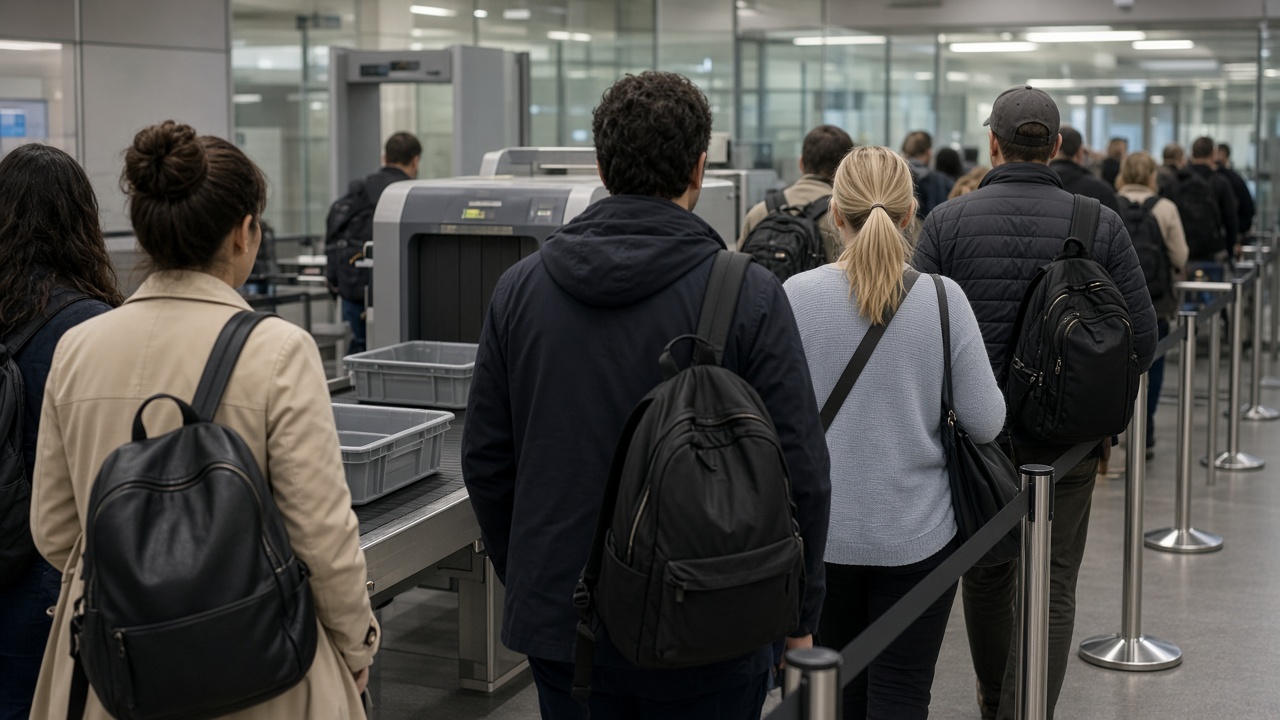
Adults flying domestically without a REAL ID-marked driver's license can prepay a $45 Transportation Security Administration ConfirmID fee through Pay.gov, buying a 10-day period in which officers attempt extra verification—but the agency stresses that success is not guaranteed and delays are likely.
Since May 7, 2025, travelers 18 and older have needed federally compliant identification to clear U.S. airport security. Millions still carry legacy state licenses. ConfirmID, which TSA rolled out in fuller form on February 1, 2026, is the paid fallback when passengers lack an acceptable document such as a passport, passport card, DHS trusted-traveler card, or military ID.
How prepayment works
Passengers enter their itinerary start date on Pay.gov, pay the nonrefundable fee, and save the electronic or printed receipt. Officers consult that receipt before initiating a secondary identity process that can include database checks and additional questioning. The 10-day coverage can span outbound and return legs for Thanksgiving trips that begin within the payment window, a detail TSA highlighted in consumer guidance published ahead of the November holiday rush.
Temporary paper driver's licenses and non-compliant plastic cards do not qualify on their own. TSA also accepts several expired documents for up to two years past their printed date, a rule that helps travelers who renewed during state DMV backlogs but have not yet received a REAL ID shipment.
Cheaper alternatives if you have lead time
A U.S. passport card, often cheaper and faster than a booklet if you only fly domestically, remains the most straightforward substitute. Enhanced driver's licenses issued by Michigan, Minnesota, New York, Vermont, and Washington also satisfy REAL ID requirements where available. Children under 18 generally fly without ID on domestic itineraries, though airlines may impose rules for unaccompanied minors.
ConfirmID is for the procrastination scenario: your flight is days away and the DMV appointment is weeks out. Budget the fee plus extra time at the checkpoint. TSA's public messaging warns that officers may still deny entry if they cannot reconcile identity data, meaning backup plans—rebooking on alternate ID, shifting to train travel, or delaying until a passport arrives—should stay on the table.
Checkpoint habits that still apply
International and family travelers
ConfirmID applies only to domestic checkpoints. Travelers leaving the country still need passports that satisfy airline and customs rules. Families mixing domestic connections with international legs should ensure every adult in the party carries compliant ID before paying ConfirmID on the domestic segment alone.
Some state DMVs offer REAL ID appointments with expedited mailing for an extra fee; that route may still beat ConfirmID on cost if processing times remain under two weeks. Keep Pay.gov receipts offline: terminal Wi-Fi is uneven during holiday peaks, and officers may ask to see confirmation when mobile data fails.
Regardless of ID path, liquids in carry-ons must stay within the 3.4-ounce container limit inside a single quart bag, firearms belong only in checked baggage, and oversized electronics should sit near the top of your bag for screening officers. Thanksgiving week historically produces Sunday evening peaks; arriving early matters more when you trigger a ConfirmID review.
REAL ID compliance remains the durable fix. Use ConfirmID only when you understand the fee is for an attempt, not a waiver, and keep your Pay.gov confirmation accessible offline in case airport Wi-Fi fails.
TSA PreCheck membership remains separate from ConfirmID; trusted-traveler lanes still require their own card even when ConfirmID clears identity questions. Global Entry enrollment continues to offer the broadest ID flexibility for frequent flyers who also cross land borders.
Airlines may still deny boarding for other reasons—expired tickets, unpaid bags, or failure to meet unaccompanied-minor paperwork—even when TSA clears identity. Build buffer time for both the ticket counter and security when ConfirmID is in play.
Photograph your compliant ID and ConfirmID receipt separately on your phone before leaving home; security officers may ask to see both even when digital copies are not listed as substitutes.