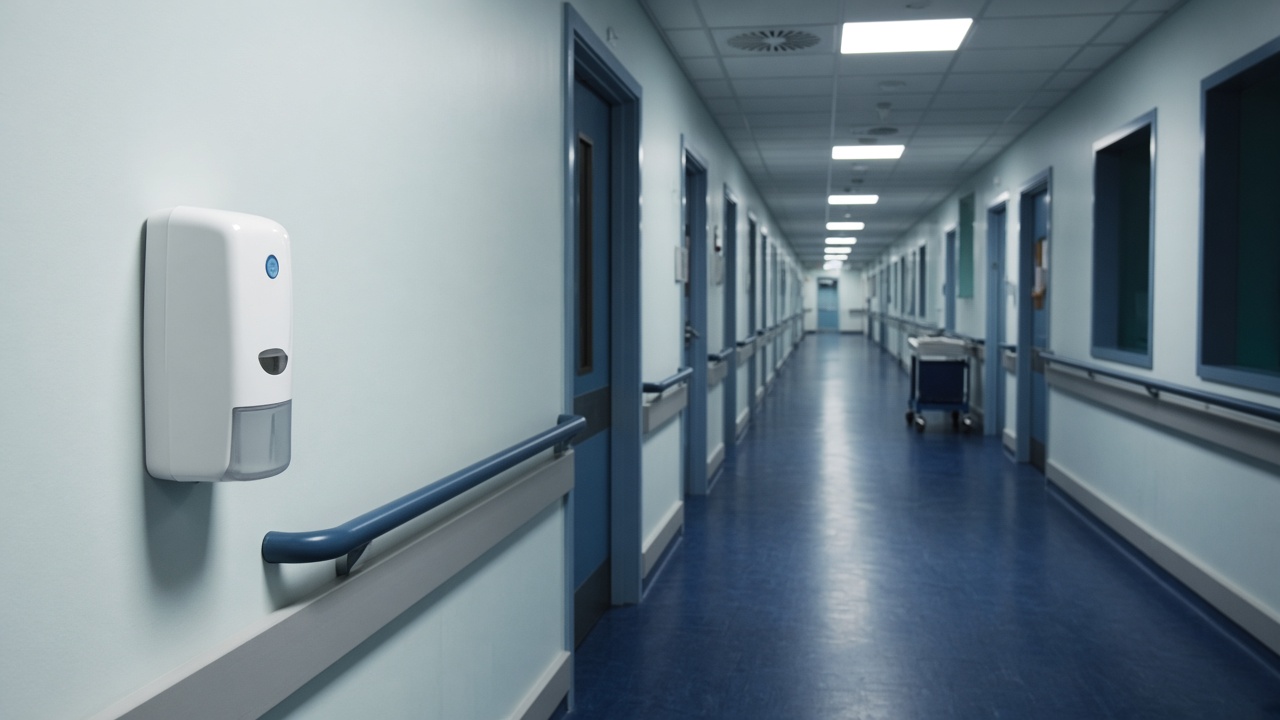
UK Health Security Agency analysts recorded a sharp jump in laboratory-confirmed norovirus reports in England during the week ending 2 November, with the rolling total roughly double the prior week’s count and already above the five-season average for early winter.
NHS England urged trusts to open winter escalation plans that separate vomiting patients in emergency departments, restrict ward visiting where outbreaks appear, and stock additional personal protective equipment kits on short-stay units.
Where cases cluster
Regional dashboards show the fastest increases in the Midlands and south-east, patterns consistent with schools returning after half-term and care homes taking new admissions before Christmas staffing rotas are set. Norovirus is famously under-reported because many sufferers never reach labs, so confirmed numbers are a trailing indicator of community spread rather than a full picture.
Hospital pressures
Even modest norovirus waves disrupt elective surgery because side rooms must be deep-cleaned and staff isolated after exposure. Several trusts postponed day-case procedures on Friday to preserve isolation capacity for respiratory syncytial virus and influenza patients expected later in November. The Royal College of Nursing said community teams were already covering staff sickness absences that mirror ward outbreaks.
Public messaging repeats familiar advice: stay home for 48 hours after symptoms cease, avoid preparing food for others, and use separate bathrooms where possible. Unlike COVID-19, there is no vaccine; control depends on hygiene and rapid cohorting.
Interaction with flu campaigns
NHS England’s pharmacy walk-in flu push continues in parallel. Officials worry that patients with mild fever may conflate viruses and flood GPs. Pharmacists are instructed to signpost norovirus sufferers away from vaccination chairs to avoid contaminating clinical areas. Digital adverts will rotate between flu protection and stomach-bug guidance based on postcode prevalence data updated each Thursday.
Care homes and schools
UKHSA shares line lists with local health protection teams when two or more residents test positive. Schools must report absences above thresholds to regional directors of public health, though closures remain rare. Parents are advised not to send children back until 48 hours symptom-free—a rule routinely tested by shift workers who lack paid leave.
Outlook
Epidemiologists caution that peaks often arrive in December when indoor mixing spikes. Trusts that activate protocols now hope to avoid repeating last winter’s corridor boarding. Households can help by treating vomiting bugs as seriously as flu: isolate early, hydrate, and seek NHS 111 advice only when red-flag dehydration signs appear.