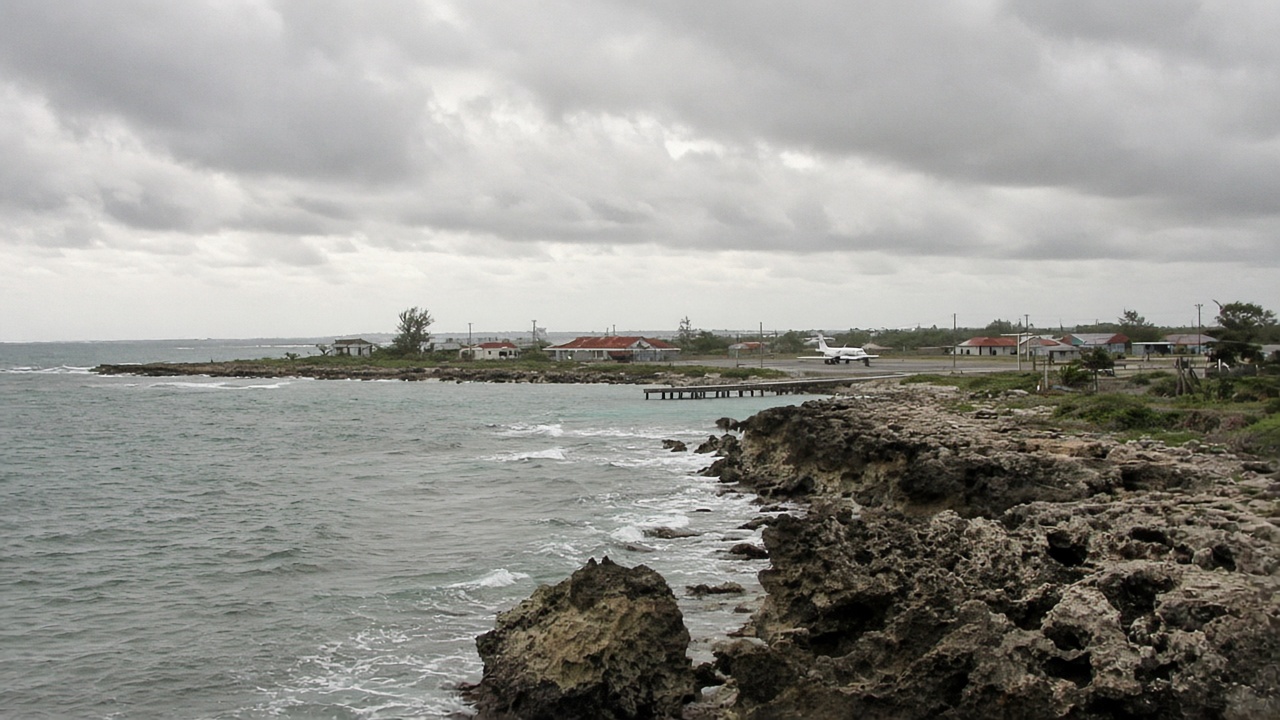
Australia has begun sending members of the so-called NZYQ cohort to Nauru again, refugee advocates said Friday, reviving a politically explosive deportation pipeline that Canberra keeps largely out of public view even as Pacific media report multiple charter flights this month.
The cohort takes its nickname from a 2023 High Court ruling that barred indefinite immigration detention. Roughly 350 people—many with visas cancelled on character grounds who could not be returned to their birth countries—were released into the Australian community. The Albanese government responded by negotiating a third-country arrangement with Nauru, whose president told parliament the first arrival had already landed.
How removals are unfolding
Radio New Zealand reported Friday that advocates know of at least three men transferred so far and eight more held in mainland detention centres pending removal. Guardian Australia earlier described dawn pickups at Yongah Hill in Western Australia and other facilities, with those scheduled for removal given as little as a week’s notice.
The mechanics hinge on visas. Once Nauru issues a long-stay visa, Australian authorities can cancel the person’s Australian visa and hold them for charter removal. Refugee Action Coalition spokesperson Ian Rintoul said officers have collected people between 3 a.m. and 4 a.m., a pattern he argues is designed to limit legal intervention before flights depart.
Money, secrecy, and parliamentary pressure
The federal government has not published the full text of the resettlement agreement. Media estimates based on leaked briefing fragments put the price at about A$2.5 billion over 30 years, including a reported A$408 million payment when the first deportee arrived and annual instalments tied to headcount.
Home Affairs Minister Tony Burke told broadcasters the transfers are consistent with visa law: when someone loses the right to remain, they should leave. Opposition Leader Peter Dutton has pressed for faster removals while the Greens say Labor is outsourcing punishment to a microstate with limited health infrastructure. Nauruan President David Adeang, who signed an updated memorandum in August, has framed the deal as sovereign income that funds housing and clinics for newcomers.
Legal challenges still alive
Several men slated for removal have launched Federal Court actions, arguing they face indefinite exile without adequate medical care. Lawyers told RNZ that Nauru’s remaining detention-style accommodation is not the same as community resettlement promised in ministerial talking points. At least one cohort member was returned to immigration holding in Australia after receiving a Nauruan visa but before a flight could leave, underscoring how contested each case remains.
The High Court’s original judgment did not mandate community release without conditions; it only blocked endless detention. Parliament has since passed multiple bills tightening ministerial powers to cancel visas on character grounds, and Burke has signaled he will use them.
What observers are watching
Pacific labour unions worry that concentrating hundreds of foreign nationals with complex health needs on an island of about 12,000 residents will strain clinics already flying serious cases to Brisbane. Australian officials say deportees receive housing, work rights, and health coverage under the memorandum, but those standards are not yet tested at scale.
For Canberra, each successful charter flight is both a domestic law-and-order win and a diplomatic risk. Nauru hosts Australia’s residual offshore processing footprint; adding non-citizens whose visas were cancelled on character grounds to that mix revives images from the Abbott-era boat-turnback debates. Advocates promise more court filings this week, while Burke maintains the policy is lawful, funded, and already underway.