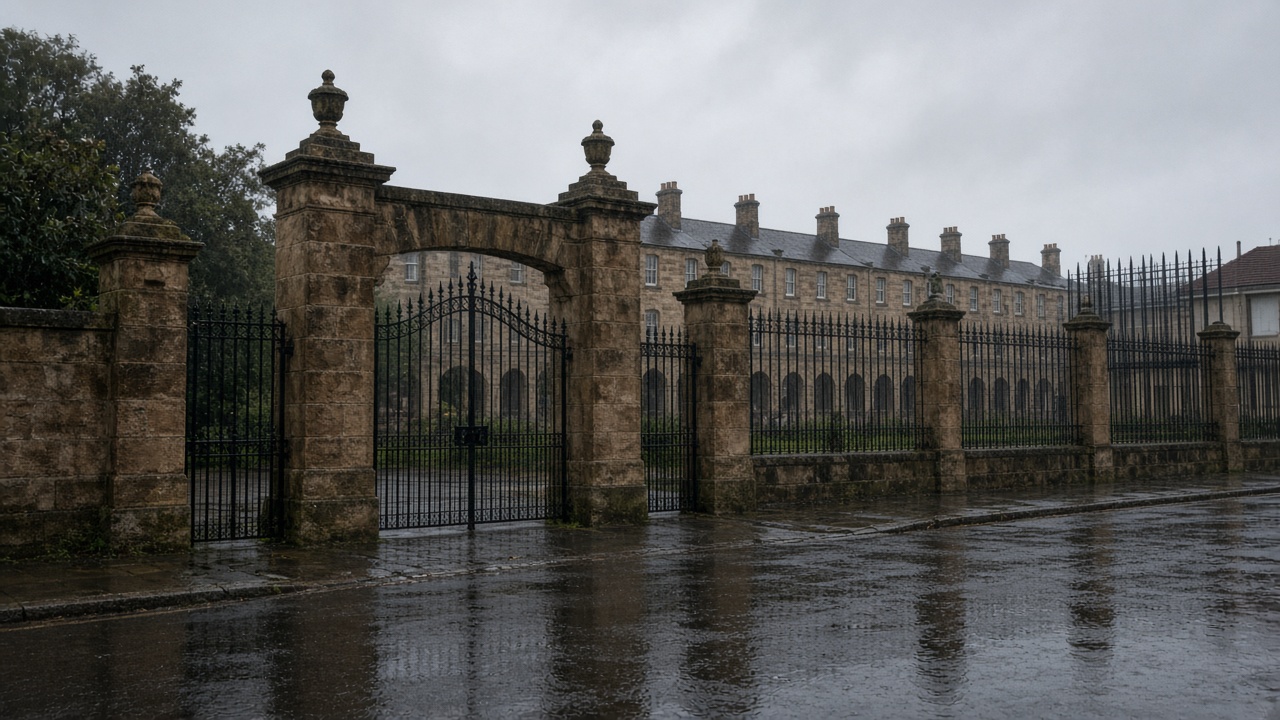
Prime Minister Anthony Albanese has ruled out selling Sydney's Victoria Barracks in Paddington, reversing a slice of the government's Defence estate program after weeks of cross-party protests over heritage sites and military history.
Albanese said Victoria Barracks Sydney, Victoria Barracks Melbourne, Fort Queenscliff and the RAAF Williams base at Point Cook will be transferred from Defence to the Finance department and kept in public ownership. He promised further detail on Sunday as ministers recast how much of the portfolio can still be sold to fund new capability.
What sparked the reversal
The barracks sale was among 67 Defence properties flagged for divestment after an independent estate audit in February, which the government said could raise about $1.8 billion. Sydney's sandstone compound, in continuous military use for 166 years, became the flashpoint because it sits in the eastern suburbs and carries Anzac-era symbolism.
Former prime minister John Howard joined a protest against the sale last month and accused Labor of indifference to national history. Within weeks the Coalition, Greens, teal independents, One Nation and veterans' groups aligned in opposing the Paddington plan, turning a technical land sale into a live political problem for Albanese ahead of a federal poll season.
How ministers describe the new path
Defence Minister Richard Marles said personnel would be moved off the four sites so they could be opened to the public for commemoration and adaptive reuse. He argued the department must not spend scarce dollars maintaining offices on land better suited to museums or parks when Australia faces a sharper Indo-Pacific threat picture.
Marles framed the program as still necessary to free capital for submarines, missiles and northern bases, but conceded the Sydney barracks had become untenable politically. Finance will now manage the transferred properties while Defence hunts for lower-profile parcels that will not trigger a heritage campaign.
What remains on the block
The government has not withdrawn the entire divestment schedule. Dozens of other Defence holdings—from training paddocks to surplus offices—remain candidates for sale, subject to community consultation.
Defence is Australia's largest landholder, controlling roughly 3.8 million hectares and 70 major bases. Estate audits have accelerated since the AUKUS nuclear-submarine pathway and northern airfield upgrades tightened cash demands, but each listing now faces higher scrutiny from local MPs who watched the Victoria Barracks backlash.
What's next in Canberra
Albanese is expected to outline commemoration plans and timelines for moving staff out of the four compounds. The Coalition will press him to publish the full list of sites still earmarked for sale so state governments can prepare housing or industrial bids.
Heritage advocates say they will seek covenants barring future privatisation of Victoria Barracks even if a later government relaunches the divestment program. For now, the prime minister's Sunday statement will signal whether Labor treats the episode as a one-off retreat or a broader rewrite of how Defence sheds surplus land without torching community goodwill.