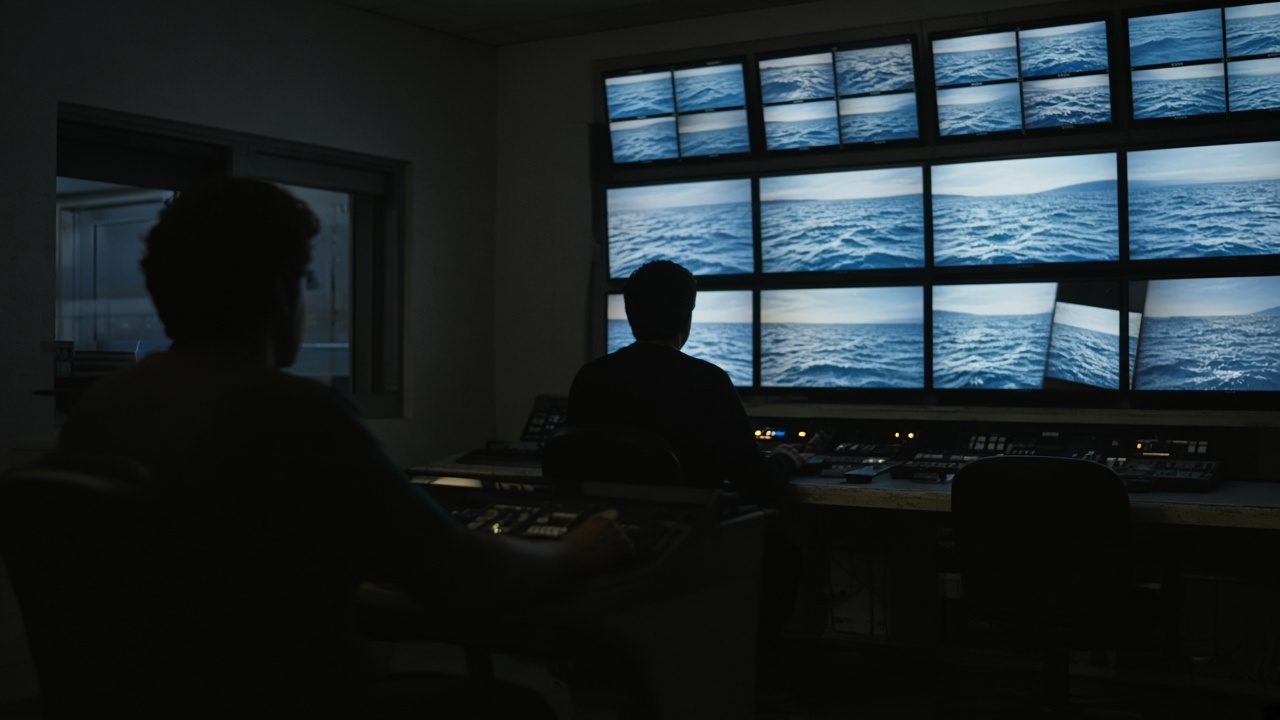
BBC One scheduled the second episode of Blue Planet III at 8 p.m. on Remembrance Sunday, pairing David Attenborough's open-ocean installment with earlier Cenotaph coverage and a later Match of the Day bundle aimed at viewers staying in after the two-minute silence.
The natural-history sequel follows a 6.40 p.m. comedy repeat and precedes the returning drama This City Is Ours at 9 p.m., giving the flagship channel a familiar Sunday stack of solemn daytime news and peak-time escapist television. Episode two, marketed as an exploration of life drifting with ocean currents, features blue whales, turtles and crabs filmed in international waters with the same production team that delivered the first installment last month.
Scheduling stakes for the BBC
Remembrance Sunday traditionally depresses casual channel surfing until early evening, then audiences return for comfort viewing. Commissioners placed Blue Planet III in the 8 p.m. heritage slot previously held by long-running dramas, betting that Attenborough's narration still pulls families despite competition from ITV's feature film Jurassic World Dominion and Channel 4's travel documentary with Stacey Dooley. iPlayer catch-up figures from episode one reportedly exceeded internal projections, according to trades press commentary ahead of the launch.
BBC Two offered parallel remembrance highlights at 7.10 p.m. and a late screening of Tinker Tailor Soldier Spy, splitting film buffs from natural-history fans. Radio and podcast extensions, including behind-the-scenes interviews on BBC Sounds, aim to keep the franchise visible between weekly broadcasts.
Production and licensing
The series relies on co-production money from overseas broadcasters, a model the BBC has used to fund expensive wildlife location shoots since the original Blue Planet in 2001. Environmental groups will watch whether episode two addresses plastic pollution and shipping noise with the same urgency later episodes promise in press notes. Critics who said the first installment soft-pedalled climate links will scrutinise any narration choices about migration routes altered by warming seas.
What viewers see tonight
Freeview line-ups list a 4.15 p.m. repeat of episode one for anyone catching up before the new hour. Social clips released this week highlight drone footage of megafauna feeding corridors, designed for vertical formats on BBC News and Sport accounts. For licence-fee payers, the evening amounts to a test of whether public-service broadcasting can still command mass appointment viewing when streaming libraries offer unlimited nature catalogs. The answer, at least for this Sunday, is yes—provided the whales deliver.
BBC Three's EastEnders omnibus at 7 p.m. offers a different demographic route to young adults, while ITV's Jurassic Dominion draws film-first viewers before adult drama at nine. The competitive stack matters because the BBC must defend share-of-attention metrics when ministers review licence-fee settlements next year.