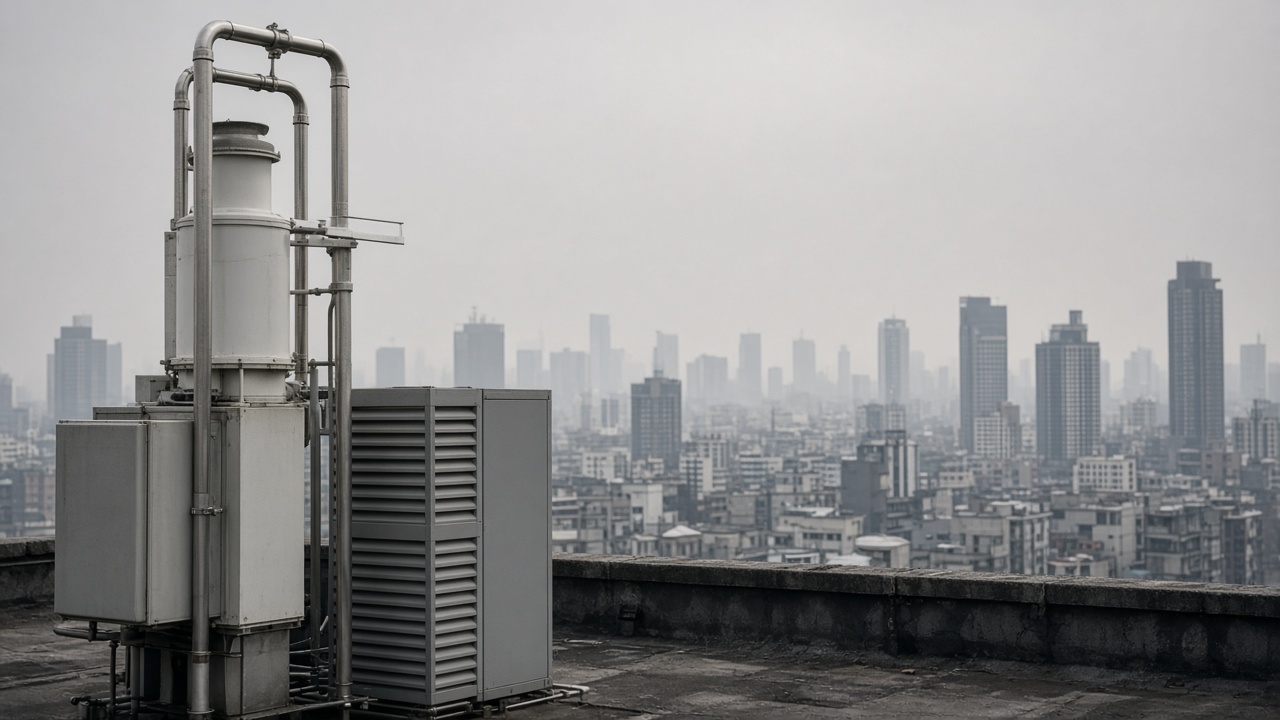
Delhi's Air Quality Early Warning System forecasts severe particulate loads on Sunday, 8 November 2026, as Diwali fireworks, low wind speeds and stubble-burning plumes converge, with sixteen of the capital's monitoring stations already reporting "severe" readings on Saturday afternoon.
Where the hotspots are
Press Trust of India reported that a monitor near IIT Delhi touched 452 on Saturday, among the highest point readings in the 59-station network that published data. Twenty-nine additional sites sat in the "very poor" band, leaving residents in most districts facing advisory-level health risks even before evening cracker bursts authorised by the Supreme Court for certified green products between 8 pm and 10 pm.
The decision support system attributed more than a fifth of Saturday's particulate burden to transport, with stubble burning estimated at under 2% that day but projected to rise toward the middle single digits on Sunday as harvest fires peak in neighbouring states.
Health guidance
All India Institute of Medical Sciences and other tertiary hospitals have expanded pulmonology staffing during previous post-Diwali surges; private clinics this week reported higher paediatric wheeze visits as parents kept children indoors. Doctors advise N95 masking for outdoor chores, rescheduling morning jogs, and keeping rescue inhalers accessible for asthmatic patients.
Policy responses
The Commission for Air Quality Management can escalate graded action plans if averages sustain above triggers, potentially affecting construction dust sources and diesel generator use beyond cracker controls. Sunday's forecast also covers 9 November, implying at least a 48-hour window of acute exposure regardless of nightly compliance.
Household realities
Apartment associations debate whether to ban terrace celebrations entirely or rely on green cracker certifications that many residents distrust. With humidity low and ventilation indices weak, even compliant fireworks add to a base load already elevated by vehicles returning from out-of-town festival travel.
Delhiites treating Diwali as a cultural non-negotiable still face a public-health bill measured in emergency visits. The early warning is blunt: Sunday air will likely be among the year's worst, and monitors are already flashing red before the first authorised burst.
Pediatric load
Children's hospitals stocked additional nebulisers and extended pharmacy hours for anti-inflammatory prescriptions commonly dispensed during smog peaks. School principals received automated SMS prompts from district offices recommending suspension of outdoor assemblies if the severe band persists beyond noon.
Workplace policies
IT parks in Noida and Gurugram reissued work-from-home guidance for employees with chronic respiratory conditions. Construction sites operating legally under dust-control permits face surprise inspections because regulators fear unauthorised night pours during holiday weekends.
Longer horizon
Forecasters expect stubble contributions to taper after mid-November, but winter inversion layers could keep particulates trapped even when farm fires decline. Residents are planning post-Diwali air purifier purchases after rental units sold out in several e-commerce flash sales.