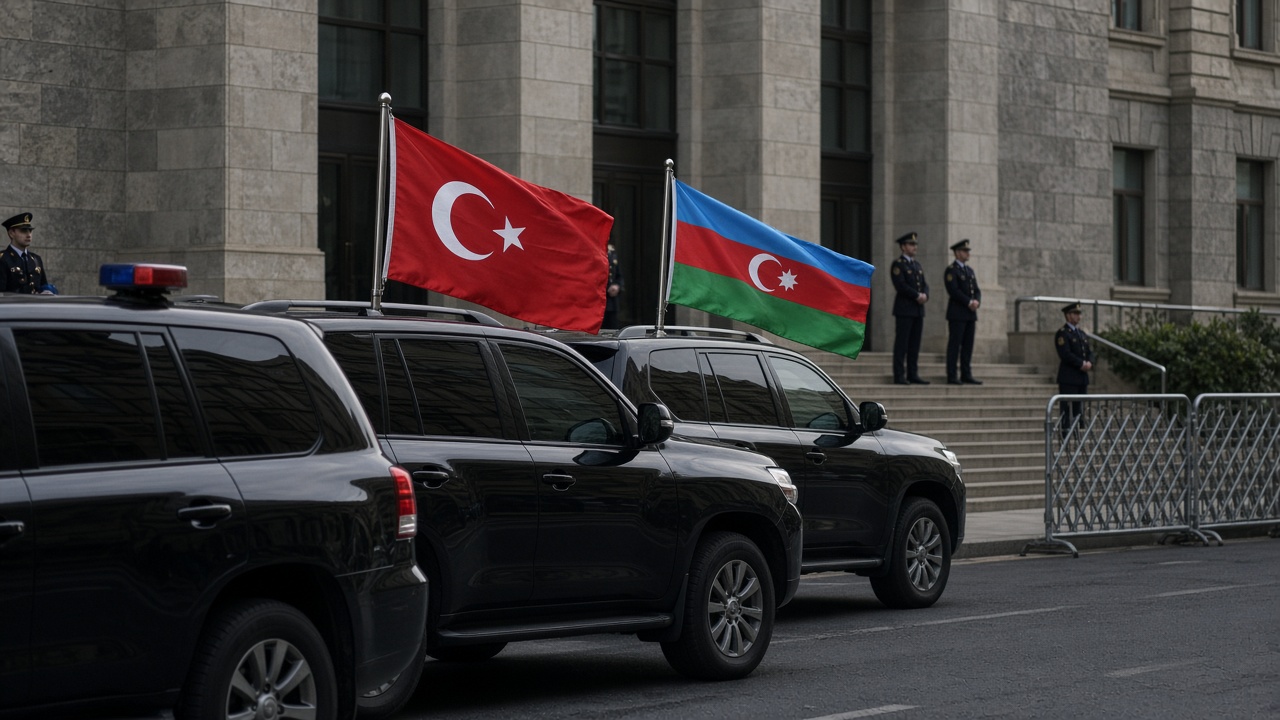
Turkish President Recep Tayyip Erdogan will travel to Karabakh at the invitation of Azerbaijani President Ilham Aliyev, Türkiye’s communications director Burhanettin Duran said on Sunday, placing a high-profile visit on the calendar even as Ankara manages a dense week of diplomacy with Washington and the wider Middle East.
Duran did not publish a travel date or detailed agenda. The announcement lands two days after Türkiye said Erdogan spoke by phone with U.S. President Donald Trump about bilateral ties and “regional and global developments,” according to the Turkish Communications Directorate. Officials in Ankara have not publicly linked the Karabakh invitation to the Trump call, but the sequencing is likely to draw scrutiny from diplomats tracking how Türkiye balances NATO alignment, energy partnerships in the Caspian corridor, and its role as Azerbaijan’s closest security partner.
What Karabakh means for Baku and Ankara
Aliyev has used post-conflict reconstruction in Karabakh as a symbol of restored sovereignty after the 2020 war and subsequent border enforcement. For Erdogan, appearing alongside Aliyev in the territory reinforces Türkiye’s narrative that it stood with Baku militarily and politically when Azerbaijani forces reclaimed districts long held by ethnic Armenian forces.
Western capitals that still press for a comprehensive Armenia-Azerbaijan settlement are watching whether such visits harden positions on status questions or help unlock trade and transport links. Türkiye has backed the Zangezur corridor concept—road and rail connections that could shorten routes to Central Asia—while Armenia worries about sovereignty along its border with Iran. A presidential visit does not by itself change those economics, but it signals which partnerships Ankara is willing to advertise when Gulf tensions and Iran-related U.S. sanctions enforcement are dominating headlines.
Washington angle and timing
The Trump-Erdogan call came during a weekend when U.S. Central Command was already publicizing expanded pressure on Iran, including the Nov. 7 announcement of Task Force Iron Gate to monitor weapons and dual-use goods moving across Iran’s land borders and the Caspian Sea. Türkiye shares borders and trade interests with Iran but also hosts NATO infrastructure and negotiates closely with Azerbaijan on gas exports toward Europe.
U.S. and Turkish officials typically describe those dual relationships as manageable when leaders keep channels open. Still, any Erdogan trip that highlights Baku’s control of Karabakh arrives while Washington is tightening maritime and overland scrutiny of Tehran’s supply lines. Analysts in Ankara will read the visit as a reminder that Türkiye’s Azerbaijan partnership is not fungible with whatever tactical cooperation the Trump administration seeks on Iran.
What happens next
Presidential aides are expected to release a firmer schedule once security and protocol teams finish planning. Trade ministers may tag along if energy or infrastructure MOUs are ready to sign, though Duran’s brief statement did not mention commercial deliverables.
Armenia’s foreign ministry has historically protested foreign leaders’ visits to territories Baku administers without Yerevan’s consent. Diplomats in Brussels may raise the trip in ongoing talks on normalizing Armenia-Türkiye relations, which have moved slowly despite periodic border-opening pledges.
For readers tracking the broader arc, the Karabakh invitation is less about a single headline than about how Erdogan chooses to choreograph solidarity with Aliyev while he is also on the phone with Trump and navigating spillover from Gulf security crises. The visit’s timing will matter as much as the photo opportunities once Erdogan’s plane touches down.