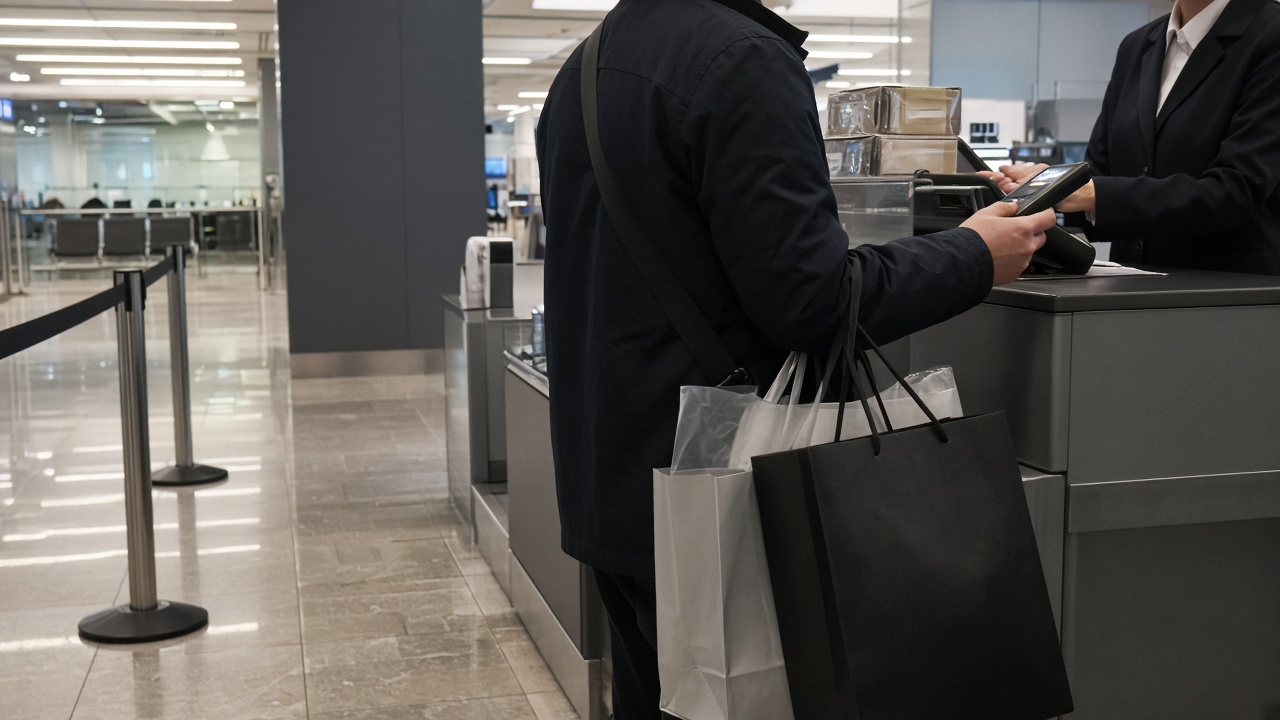
Japan's government began enforcing a tightened consumption-tax refund regime for foreign shoppers in November 2026, linking duty-free purchases to digital passport verification and resale tracking after years of warnings that cosme and electronics bought tax-free were resurfacing on domestic marketplaces and overseas gray channels. Retailers in Ginza, Osaka's Shinsaibashi and Fukuoka's Tenjin districts updated point-of-sale software to comply with Ministry of Economy, Trade and Industry guidance that treats abusive reselling as a customs and fair-trade problem, not a mere paperwork glitch.
How the new refund chain works
Under the revised flow, eligible visitors still pay the 10% consumption tax at the register but receive refunds at the counter or airport after clerks scan passports and transmit line-item data to tax authority servers in near real time. Stores must classify goods by risk category, with high-unit-value electronics and luxury bags facing stricter quantity caps per passport per day. Refunds that once could be batch-processed weekly now require transactional confirmation that the buyer is departing Japan within the allowed window.
METI's implementation manuals tell merchants to reject bundles that look like commercial export orders disguised as tourist purchases. Payment processors integrated with duty-free systems must retain receipts for audit, extending the paper trail that National Tax Agency investigators use when they raid warehouses linked to online resale listings.
Why authorities moved now
Policy makers cited inbound tourism records and the widening gap between domestic shelf prices and tax-free arbitrage profits, especially for beauty products and flagship smartphones launched simultaneously in Tokyo and Shanghai. Mainichi and other domestic outlets documented cases where brokers recruited foreign students to buy daily limits and hand off inventory to resellers. METI framed the November rollout as protecting honest retailers who follow price lists while still welcoming legitimate tourists.
Customs officials paired the tax changes with outbound luggage spot checks at Kansai and Haneda, where officers compare purchase receipts to carry-on contents. Violations can void refunds and trigger penalties for both shoppers and complicit stores. The government stressed education campaigns in Chinese, Korean and English at airports, not only enforcement.
Retail operations on the ground
Department stores retrained floor staff to explain limits without discouraging genuine buyers, a delicate balance during autumn leaf-viewing season when spending per visitor was already moderating from post-reopen peaks. Convenience-store chains that experimented with mini duty-free corners paused expansions until software vendors certified compliance patches. Electronics megastores near Akihabara posted new signage about per-item serial-number registration, mirroring manufacturer anti-diversion policies.
Smaller pharmacies that relied on tax-free cosmetics traffic worried about checkout friction lengthening queues; industry groups asked METI for grace periods on scanner outages. Tax advisers warned that improper refunds could claw back store licenses, raising compliance costs that may compress margins more than lost arbitrage sales.
Impact on resale platforms
Second-hand apps and cross-border e-commerce sellers face pressure to flag listings that match recently refunded SKUs. METI expects platforms to cooperate with customs on seller identification when serial numbers or batch codes match duty-free export data. Legal brokers argue legitimate parallel import should remain possible when tax was paid at source; the government counters that fraudulent refunds never paid the tax in the first place.
Overseas daigou agents advertising Japan-exclusive kit on social media have already shifted marketing toward items still sold domestically at promotional prices, according to merchant interviews Reuters cited ahead of the rule change. That shift may reduce exaggerated "Japan-only" claims that fueled refund fraud.
Tourist experience questions
Travel agencies lobbied for clearer airport refund counters after reports of long lines during pilot tests in October. Finance ministry officials promised additional kiosks but resisted returning to paper-only procedures that were easier to forge. Visitors with connecting flights through Tokyo worry about timing; METI suggests electronic pre-verification before downtown shopping to shorten departure-day queues.
Hotels near major stations are training concierge desks to warn guests about third-party buyers offering cash for unused refund eligibility, a common recruitment tactic in fraud cases Mainichi profiled.
What compliance teams track
Retailers will publish internal audit metrics to keidanren retail committees in January, showing refund rejection rates and staff override incidents. Tax lawyers expect the first administrative fines under the tightened regime before the fiscal year ends in March 2027. Honest inbound spend should still grow if Japan maintains visa-friendly policies, but METI's message is clear: the tax-free privilege is for visitors who consume or export personally, not for informal export businesses built on refunded yen.
Consumer advocates want ombudsman channels for tourists wrongly denied refunds when systems glitch; METI said it will publish a hotline after the November launch window. Until refund statistics arrive, the policy story is the crackdown's operational debut at tills across Japan's shopping districts.