Minister for Sustainability and the Environment Grace Fu told Parliament on 4 November that investigations tied to four companies that received transboundary haze notices in 2015 remain open, even as ten Singapore-registered firms face fresh scrutiny under a specialist panel convened for the 2026 smoke episode.
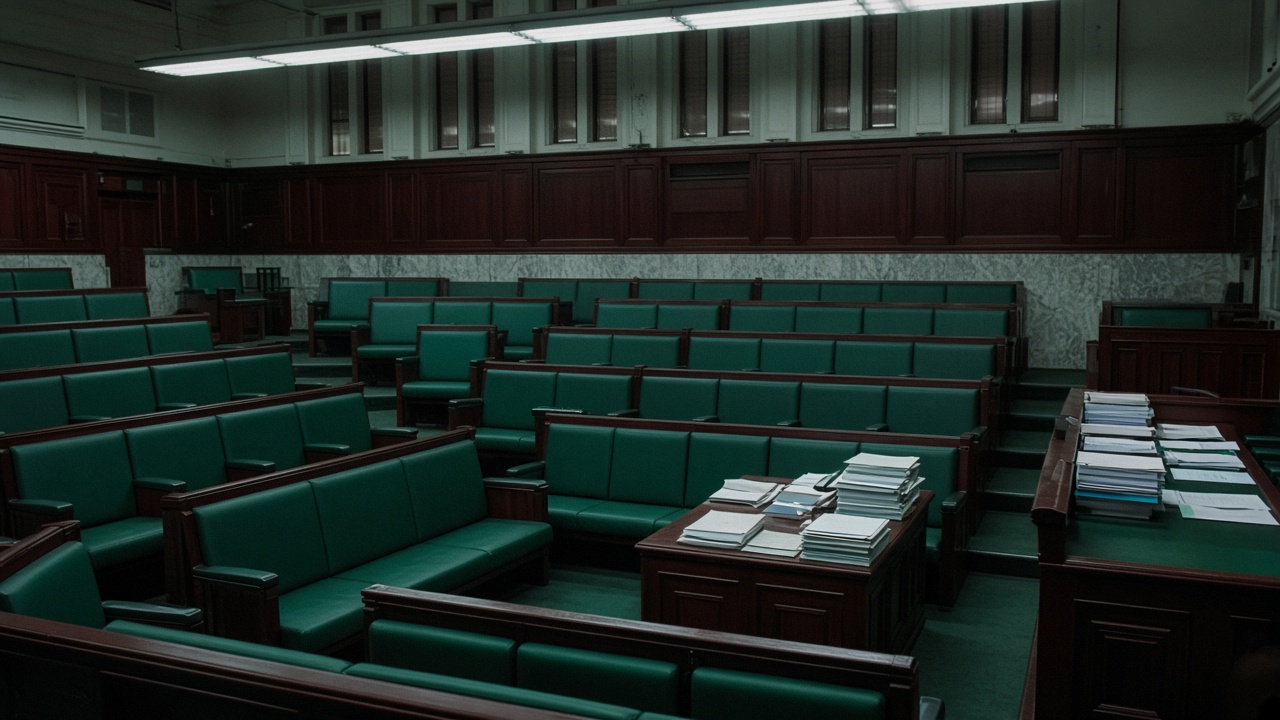
The update came during a six-hour debate on amendments that lift the maximum criminal fine under the Transboundary Haze Pollution Act from S$2 million to S$20 million and let the National Environment Agency act when overseas fires pose a risk of haze before smoke reaches Singapore. All 24 MPs who rose supported the Bill, though many pressed Fu on why the statute took more than a decade to harden after the 2015 crisis.
2015 files still on the desk
Fu said procedural obstacles—not a lack of evidence—slowed the 2015 quartet. Three of those entities reappeared in the current haze season, she added, and prior conduct would inform how investigators treat them now. Workers’ Party Non-Constituency MP Eileen Chong and PAP MP Poh Li San (Sembawang West) asked whether the tougher penalties can bite on fires that began before Royal Assent; Fu stressed the refreshed powers target forward-looking enforcement and economic levers such as business restrictions.
Separately, NEA issued preventive measures notices to ten Indonesia-linked operators and statutory demands to ten Singapore-registered companies in October, seeking concession maps, corporate links and firefighting records. A panel of private assessors can now be appointed at a firm’s expense to report directly to NEA, giving prosecutors a parallel fact-finding track beside criminal charges.
Risk standard without a PSI trigger
Under the old Act, NEA had to wait until the 24-hour Pollutant Standards Index sat in the unhealthy band for a full day. The rewrite allows action when meteorology and fire activity suggest a reasonable likelihood of deteriorating air quality. Fu said stable, healthy readings would still keep the agency on the sidelines even if fires burn abroad.
A civil penalty route capped at S$10 million gives NEA an alternative when criminal proof is elusive. Fu told the House prosecutors will choose the criminal path when evidence clears the “beyond reasonable doubt” bar, reserving the civil track for cases with strong facts but weaker courtroom odds.
What firms and residents should expect
Designated errant entities may face orders limiting who can trade or lend to them; continuing forbidden dealings can draw fines up to S$1 million per breach plus S$100,000 for each extra day. Electronic service—including publication on NEA’s website—replaces hand delivery when foreign parties dodge process servers, and authorised officers receive arrest powers to stop entities from stalling probes.
For households, the legislative push lands as daily haze advisories wind down after 38 unhealthy days between September and early November. The legal upgrade is meant to shorten the gap between smoke offshore and consequences in Singapore boardrooms, something MPs said the 2015 cycle never closed to public satisfaction.