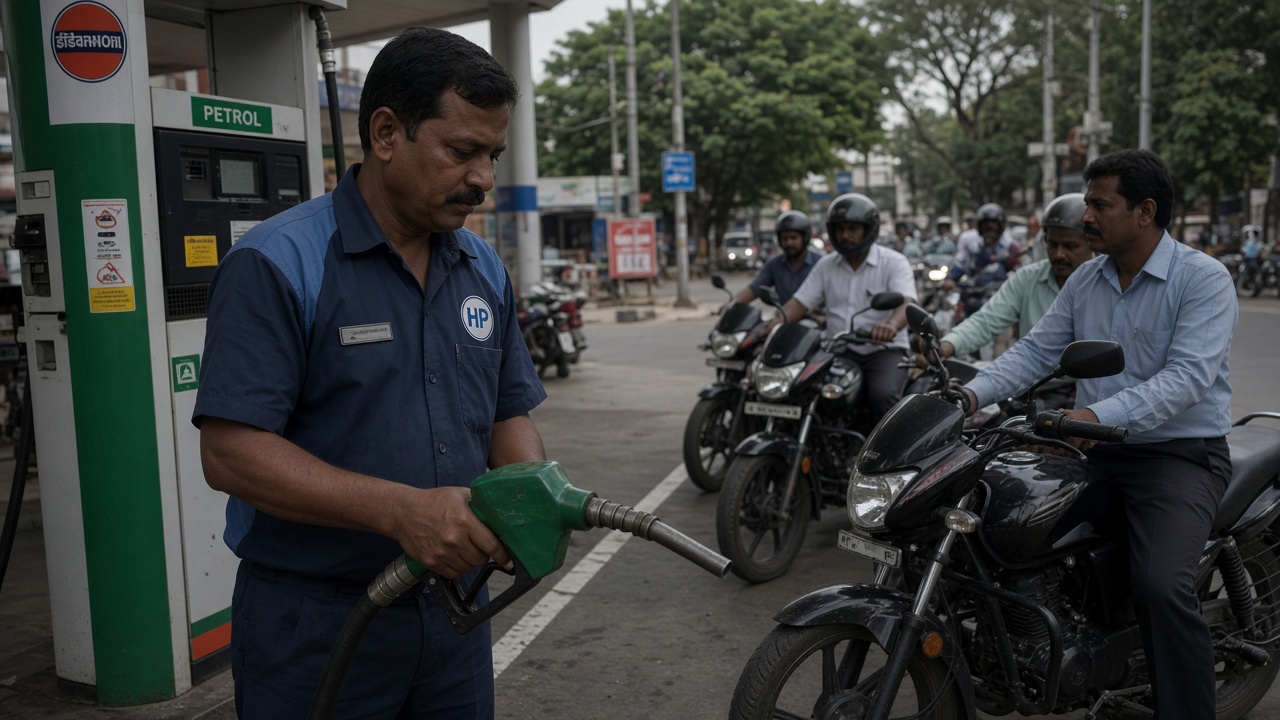
Karnataka began spot-testing petrol at dozens of filling stations Sunday after thousands of motorists complained that high ethanol blends were damaging engines, stalling vehicles mid-journey and erasing expected mileage—a consumer revolt that could complicate India's nationwide push toward greener fuels.
Chief Minister D K Shivakumar told reporters that officials had collected and analysed samples from 67 locations across the state. He said the government took "serious note" of complaints that pumps were dispensing petrol with 31.5 percent ethanol, well above the blend levels many drivers assume when they pull up to a standard nozzle. Instructions went to the state petroleum minister and to Union authorities in New Delhi, he said.
What drivers are reporting
According to Shivakumar, motorists described reduced mileage, sudden engine cuts and cars failing to cover distances they could manage weeks earlier on the same routes. The issues surfaced during Diwali-week travel, when families were shuttling between cities and rural districts and any fuel quality problem amplified into a political grievance.
Karnataka is not the only state debating ethanol economics, but it is among the loudest because Bengaluru's commuter belt depends on small cars and motorcycles that are sensitive to fuel chemistry. Ethanol absorbs water more readily than pure petrol and can behave differently in carburetted or older injection systems if storage tanks are not scrupulously maintained.
Federal blending policy under scrutiny
Prime Minister Narendra Modi's government has expanded ethanol mixing as both a farm-income tool and a carbon-reduction measure, promoting higher blends at specialised pumps while retaining lower blends for general retail. When state leaders publicly question blend percentages at ordinary stations, they are effectively asking whether enforcement along the supply chain—from depots to tanker trucks to forecourt storage—has kept pace with the policy ambition.
Shivakumar's Sunday statement did not allege fraud at every outlet tested, nor did he publish laboratory numbers for each site. Instead, he framed the 67-sample sweep as a first forensic pass while the state waits for guidance from the Centre on whether particular batches should be pulled from circulation.
Political and legal ripples
Opposition parties have used fuel-price and quality grievances before state elections to attack incumbent economics. In Karnataka, where Congress holds the chief minister's office, the government must show it can protect consumers without undermining a federal energy agenda it generally supports. Petroleum dealers' associations, meanwhile, will watch closely: if investigations blame storage hygiene at retail sites, licence holders could face penalties; if blame moves upstream, oil-marketing companies may need to adjust dispatch schedules.
For motorists, the practical advice until regulators publish full results is mundane but urgent—keep receipts, note the station brand and report abrupt performance changes through state consumer helplines. Karnataka's tests are a snapshot; the underlying question is whether India's ethanol rollout can scale without eroding trust at the pump that millions of drivers still treat as a utility, not a laboratory experiment.