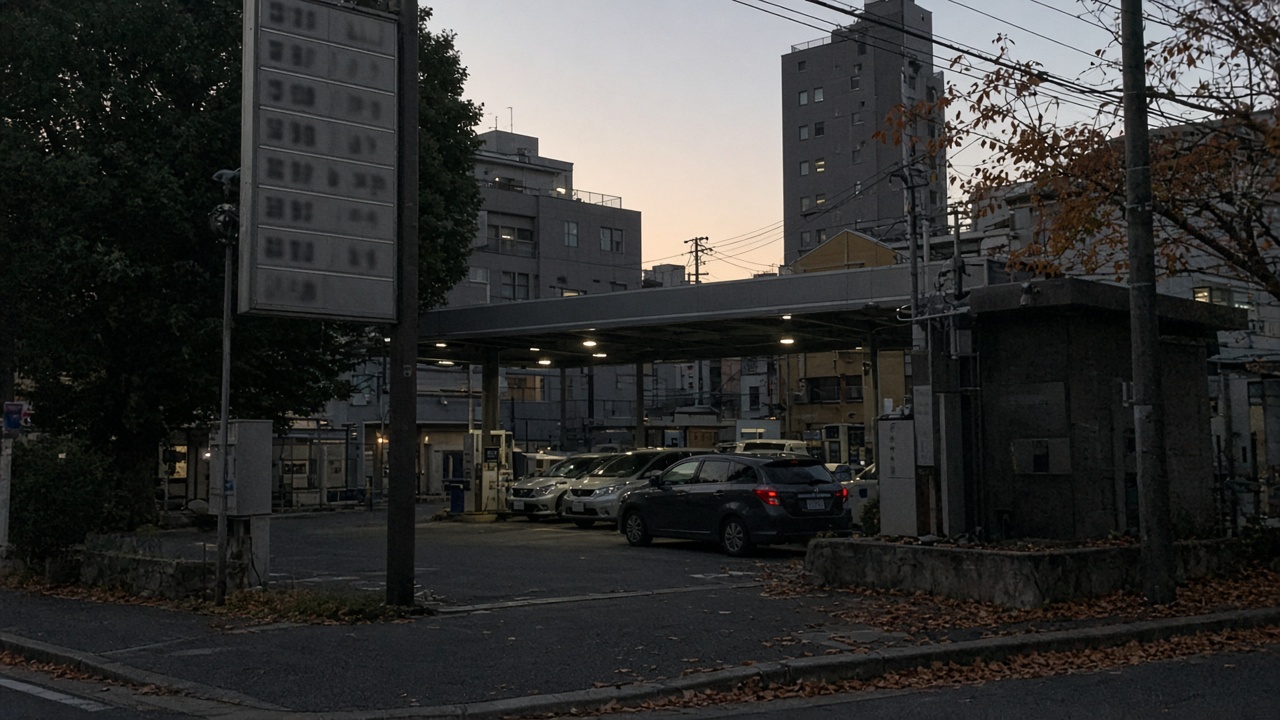
Japan’s industry ministry said Friday it will temporarily increase subsidies on gasoline and diesel from next week, a tactical move aimed at preventing motorists from delaying fill-ups ahead of sweeping fuel-tax cuts parliament agreed on days earlier.
The ruling coalition and opposition parties struck a rare bipartisan deal this month to abolish the gasoline levy by 31 December and phase out the diesel tax by 1 April next year. Officials worry that consumers, anticipating cheaper pumps, would drain fuel tanks and wait, starving distributors of cash just as distributors prepare for a high-demand winter travel season.
How the subsidy bump works
Existing pump-price subsidies, introduced during the 2022 energy shock, cap how much retailers can charge once global crude spikes. Ministry officials told reporters the new adjustment raises the per-litre relief modestly for a limited window rather than reopening the full emergency program that once cost trillions of yen.
Retailers must register each station’s posted price with the government portal; out-of-compliance outlets lose access to the relief fund. Trade ministry staff said they modeled the top-up after projections showing demand could dip 7 to 9 percent in the weeks before the gasoline tax expires if motorists believe a sharper drop is imminent.
Political calculations in Nagatacho
Prime Minister Sanae Takaichi’s cabinet has pitched the tax cuts as proof it is listening to inflation complaints without abandoning fiscal discipline. Fiscal hawks in the Finance Ministry privately warned that higher subsidies plus lost tax revenue will widen the current-account deficit, but party bosses concluded that empty forecourts would inflict worse headlines than a short subsidy extension.
Opposition lawmakers who brokered the diesel timeline demanded transparency on how much the temporary subsidy will cost. Ministry briefings Friday put the bill in the tens of billions of yen spread across six weeks, a fraction of earlier energy relief packages but still politically sensitive while Takaichi defends her growth agenda in parliament.
What drivers may notice
Gasoline prices in Tokyo averaged about ¥174 per litre in the latest weekly survey from the resource agency. Analysts at the Petroleum Association of Japan said the higher subsidy should keep pump postings flat even if Brent crude edges higher on Middle East shipping risks. Rural hauliers dependent on diesel trucks will see parallel relief on agricultural routes, a constituency Liberal Democratic Party lawmakers court ahead of January prefectural elections.
Drivers should not expect instant windfalls: the subsidy shift is calibrated to flatten the curve, not to duplicate the steep declines that will arrive once taxes lapse. Ministry posters at stations will remind customers that full tax repeal still depends on Diet enactment schedules.
Broader economic read-through
Economists at Nomura said the maneuver signals how tightly Japanese policymakers are managing inflation expectations. Core CPI has cooled but remains above the Bank of Japan’s 2 percent comfort zone, and energy is still a flashpoint for voter surveys. A sudden demand slump at petrol stations could ripple into convenience-store sales and logistics contracts indexed to fuel surcharges.
The decision also underscores how energy politics still bind Japan even as the Takaichi government touts semiconductor and defense investments. Every yen at the pump feeds household confidence numbers the cabinet watches alongside the Nikkei, which finished Friday down more than 4 percent on the week after global tech jitters.
What comes next
The ministry said it will review station-by-station uptake data after the first subsidy fortnight and decide whether to extend the relief into December. Watchers expect gasoline queues—not shortages—if overseas crude jumps before the tax deadline; officials said they have strategic reserves sufficient for 140 days of consumption and will release them only if refinery output falters.
For now, the policy is a bridge: subsidies today, lower taxes within weeks, and a ministry dashboard proving that neither motorists nor the treasury absorbed a nasty cliff edge on the way.