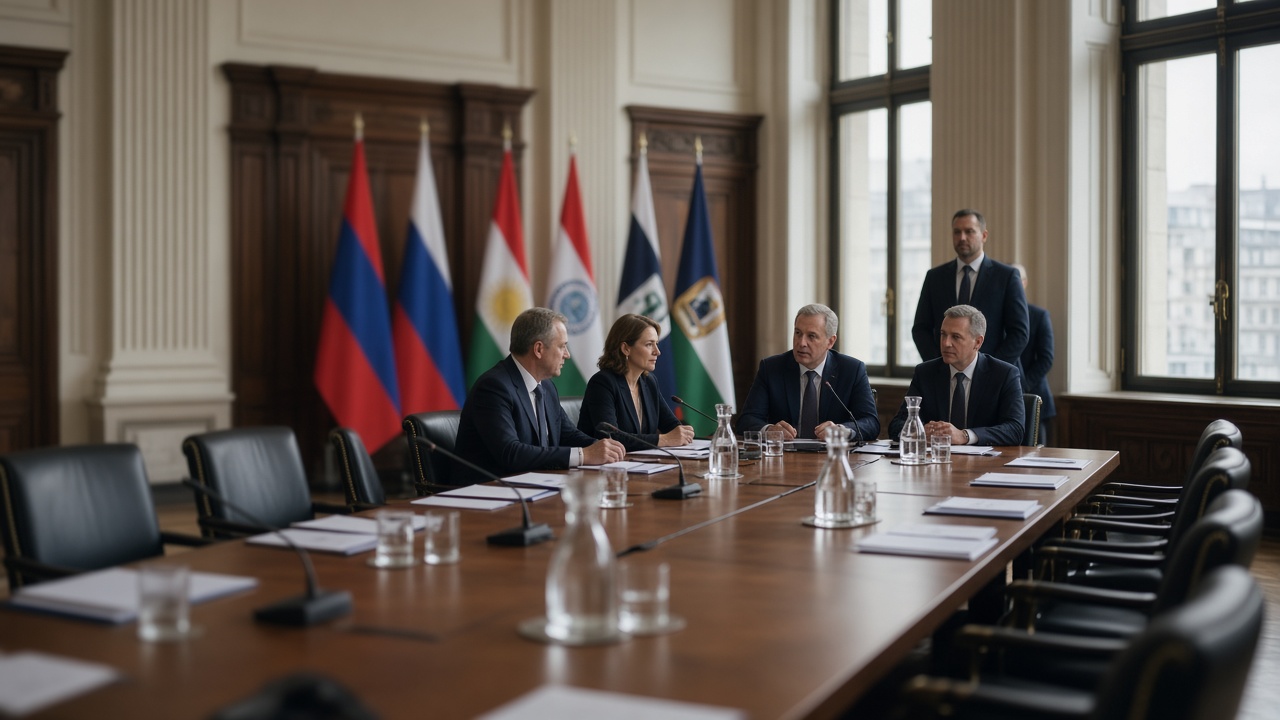
Japan's Ministry of Foreign Affairs set bilateral and mini-lateral economic-security sessions with Southeast Asian counterparts for the week preceding ASEAN economic minister meetings in Manila, as Tokyo tries to lock supply-chain redundancies for chips, batteries and critical minerals without reopening the blunt export-control fights that strained 2024 diplomacy.
Why Manila matters now
ASEAN's chair rotation places the Philippines in the convening seat for year-end trade talks, giving Manila room to sequence digital trade standards ahead of U.S. and EU visits. For Japan, the calendar is a chance to align investment screening rules with partners that host nickel refining, printed-circuit assembly and cold-chain ports Japan's automakers rely on. MOFA briefers told traveling reporters the sessions are not treaty negotiations; they are inventory maps of who can surge capacity if a Taiwan Strait disruption freezes container flows.
Officials stressed that ASEAN states differ on how loudly to discuss security adjacent to trade. Tokyo's approach keeps coast-guard and defence ministry voices in separate channels while economy and foreign ministries compare subsidy guardrails for fabs and smelters.
Chip and mineral lanes on the agenda
Copied talking points reviewed by correspondents list three lanes: multi-sourcing of substrate materials, data-sharing on export licensing for dual-use chemicals, and joint warehouse audits for finished autos and electronics. METI aides will join mid-week when the conversation turns to subsidy caps under World Trade Organization rules. None of the drafts mention new tariffs; the emphasis is on transparency registers for who owns tolling contracts at Indonesian and Malaysian smelters feeding Japanese battery plants.
Vietnam and Thailand remain primary assembly hubs; the Philippines is pitching itself as a testing ground for grid batteries and ship-repair yards that could reroute Pacific cargo in contingencies. Japanese trading houses want clarity on local content rules before committing warehouse leases.
Manila week aims at redundant lanes, not a single bloc tariff.Japan's domestic politics backdrop
Prime Minister Sanae Takaichi's cabinet has linked economic security to faster defense-industry financing, but MOFA staff say ASEAN partners still hear the gentler 2016 Abe-era "quality infrastructure" vocabulary in public. Behind closed doors, diplomats compare notes on how U.S. midterm outcomes might change inbound chip equipment licensing, a topic that spiked after this week's AI-related equity volatility in Tokyo.
Komeito coalition partners want consumer-tax relief headlines at home; foreign ministry planners argue that ASEAN friends will ask whether fiscal stress limits official development assistance for port dredging. MOFA's answer is that private-pension capital and JBIC insurance windows remain open even if general budget growth slows.
What success would look like
A useful week ends with memoranda identifying which ports can accept roll-on cargo diverted from the Taiwan Strait, plus a shared contact list for export-license fast lanes during disasters. Failure is a communique heavy on "shared prosperity" without commitments on inspections or data standards. Japanese exporters will watch whether nickel-export rules in Indonesia get a quiet stabilization clause.
What readers in Japan should watch
Importers of ASEAN food and textiles care less about geoeconomics, but yen moves near 158 to the dollar change the landed cost math for anything priced in regional currencies. MOFA will publish a routine readout after ministerials; METI may follow with investment figures if Japanese firms sign MOUs. The story is supply-chain insurance, not a single dramatic treaty signing.