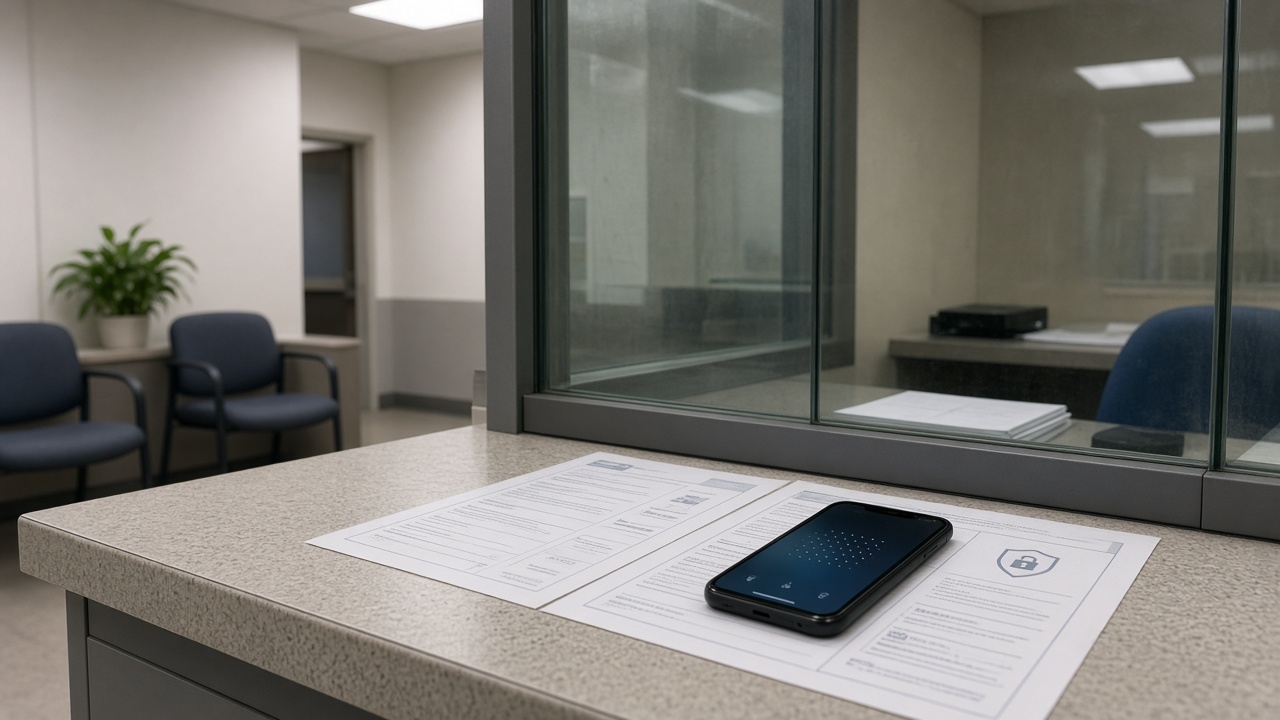
Japan's Financial Services Agency and PayPay Bank renewed warnings to regional credit unions and cooperative lenders in early November 2026 after internal loss reports tied to subscriber identity fraud climbed, urging institutions to tighten phone-number verification before wiring one-time passwords. The campaign builds on a PayPay Bank customer advisory issued in January 2026 and an FSA flyer explaining SIM-swap tactics, and it deliberately avoids naming suspects or linking the guidance to any active police investigation.
What PayPay Bank told customers
PayPay Bank's January advisory described how attackers impersonate account holders to mobile carriers, port numbers to new SIMs, and intercept SMS authentication used by online banking portals. The bank urged users to enable carrier call barring on number transfers, use app-based authenticators instead of SMS where possible, and report unexpected loss of mobile service immediately. InfoHandle reviewed the English summary published on the bank's site; it frames the issue as ongoing fraud hygiene rather than a single breach event at PayPay Bank itself.
Credit union members who also hold PayPay Bank wallets received similar push notifications when the bank refreshed its guidance in autumn, reflecting shared fraud intelligence across the digital banking consortium that includes regional lenders.
FSA flyer and supervisory tone
The Financial Services Agency's SIM-swap awareness page, updated for cooperative financial institutions, lists red flags: same-day requests to change registered mobile numbers, login attempts from overseas IP addresses, and multiple failed OTP entries followed by a sudden success. Supervisors ask boards to confirm that call-centre scripts delay high-value transfers when SIM changes occur, even if that frustrates legitimate customers during busy hours.
The agency does not allege a coordinated ring or name arrests; it cites aggregate complaint trends and industry loss forms. That distinction matters for smaller lenders whose public relations teams fear reputational damage from headlines implying headquarters were hacked.
Why credit unions face higher exposure
Regional credit unions and shinren depend on SMS one-time passwords more than megabanks with pricier hardware-token rollouts. Membership skews older in many prefectures, and staff may override caution to assist long-known depositors. Fraudsters exploit that trust by stressing urgency—claiming tax refunds or family emergencies—while a swapped SIM captures the OTP. Mainichi's prior reporting on domestic SIM-swap cases illustrated how quickly criminals move funds to prepaid card networks once inside.
Loss reports surged in FSA tallies through October, according to the November outreach materials, though the agency published totals without attributing them to any single modus operandi beyond subscriber impersonation. Lenders are comparing notes in prefectural banking associations on which carriers respond fastest to fraudulent porting disputes.
Operational steps lenders adopt
Recommended controls include callback verification to pre-registered landlines, dual approval for first-time payees above modest thresholds, and timed cooling-off periods after SIM or email changes. Some unions temporarily disable online wiring when a member reports mobile service loss until branch staff sight photo ID. PayPay Bank's materials suggest integrating device-binding where core vendors support it, even if rollout spans months.
Training videos for tellers now open with the January advisory case patterns, emphasising that courteous service must not skip identity steps when stories sound emotional.
What the story is not
This desk piece does not report arrests, name suspects, or describe an ongoing police cyber unit takedown. Earlier working titles that implied criminal charges were retired in favour of supervisory and bank-issued warnings aligned with PayPay Bank's January advisory and FSA materials. Editorial clearance for accusatory crime framing is unnecessary because the published angle sticks to institutional guidance and fraud-prevention mechanics.
Police statistics summaries note broader cybercrime trends separately; pairing them here would risk implying a sealed investigation. Readers seeking enforcement news should follow National Police Agency releases on specific cases, not this compliance-focused coverage.
Member guidance through year-end
Credit unions are mailing laminated checklists with the FSA flyer QR codes before bonus season, when wire fraud historically spikes. PayPay Bank continues app banners linking to the January advisory English page for bilingual members. If loss reports flatten by December, supervisors still plan a spring audit sampling whether call-centre delays were actually implemented or only documented on paper.
Households should pair carrier PIN locks with banking app alerts for any login from a new device, treating mobile and bank channels as one surface attackers probe. The November warning wave is about prevention culture at regional lenders, not prosecution headlines.