Chief Justice of India Surya Kant told a Supreme Court bench hearing Delhi's air emergency on Friday that additional restrictions by themselves will not solve the National Capital Region's pollution crisis, as average air quality index readings approached 400 on the eve of Diwali and lawyers for the Centre cited festive travel as a contributor.
What the court saw
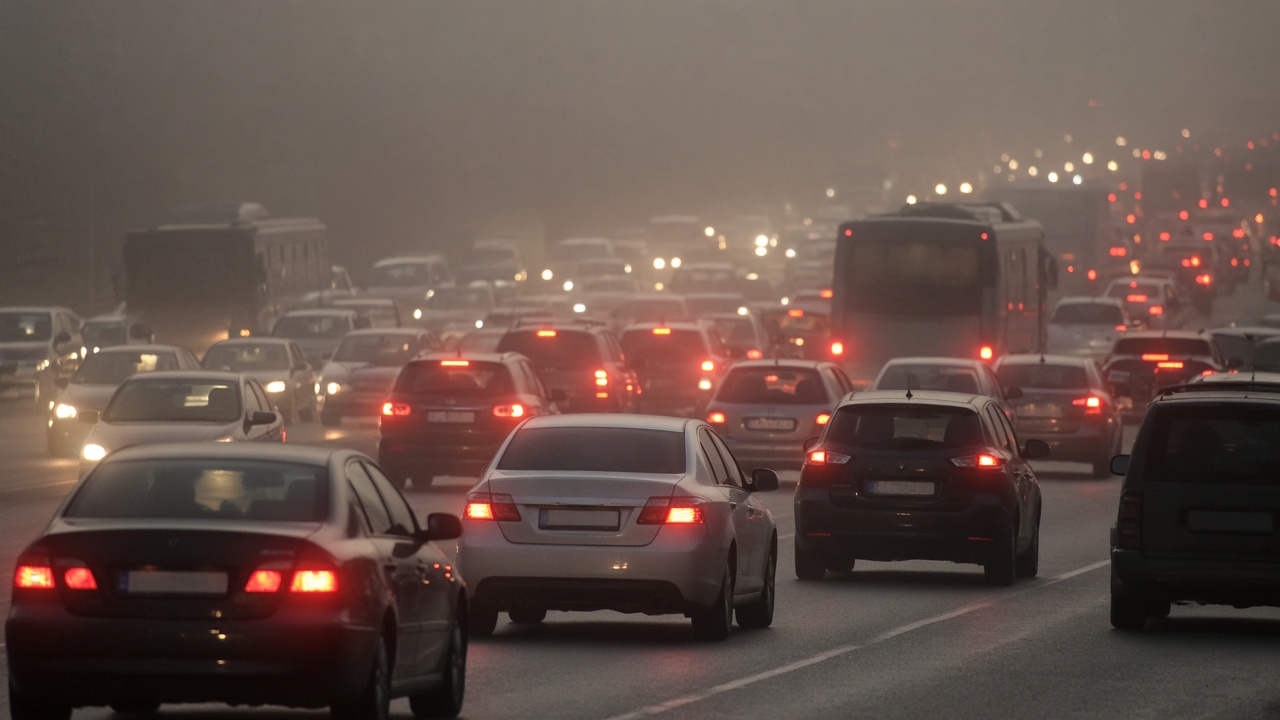
The suo motu matter on capital smog has run for years, but this hearing landed as monitors across Delhi recorded "very poor" to "severe" categories. The bench flagged bumper-to-bumper traffic photographed on arterial roads and asked why enforcement agencies could not translate repeated orders into cleaner air. Centre counsel attributed part of the spike to Diwali movement and seasonal meteorology, prompting the Chief Justice to remark that air quality was already brushing the severe threshold before Sunday's cracker window.
Earlier in the week the court permitted certified green firecrackers only during morning and evening slots on 7 and 8 November in Delhi-NCR, treating bursting as a qualified religious practice subject to constitutional limits. Judges nonetheless stressed that a cracker-free festival would need to emerge as a public movement rather than a top-down ban susceptible to wholesale violation.
Politics at the margins
The hearing coincided with opposition rallies on electoral-roll integrity and Congress leadership gatherings for Diwali, but the bench kept focus on transport and stubble-burning contributions quantified in briefing slides. Analysts at the Centre for Research on Energy and Clean Air estimate stubble smoke accounted for a mid-teens share of fine particulate load at the start of November, lower than peak years but rising as harvest burns accelerate in Punjab and Haryana.
Why enforcement skepticism matters
State governments have activated graded response plans before, closing schools or restricting trucks when averages cross triggers. The court's frustration signals diminishing belief that another GRAP stage will change behaviour without addressing underlying fuel combustion and construction dust. Delhi's decision support system attributed more than a fifth of Saturday's particulate load to transport, underscoring why the bench lingered on traffic photography.
What residents face Sunday
Early warning models project severe air on 8 and 9 November regardless of litigation outcomes. For politicians, the hearing is a reminder that judicial patience is thinning as voters choke through another festival week. Whether Delhi can convert moral appeals into measurable PM2.5 drops will depend on street-level compliance more than the next order from the top court.
Previous orders
The bench referenced a decade of firecracker restrictions, noting that certified green products remain rare in wholesale markets despite licensing schemes. Environmental NGOs submitted affidavits claiming mislabeling continues, complicating the court's attempt to allow limited religious practice without flouting pollution law.
Delhi government's counsel promised enhanced patrolling on border checkposts to stop illegal consignments from entering the capital region. Skeptics on the bench asked for measurable checkpoints rather than assurances, citing photographs of thick smoke plumes from prior years despite similar pledges.
Regional spillover
Gurugram and Noida monitors mirrored Delhi's deterioration, meaning commuters crossing state lines faced identical health advisories. Employers with offices in multiple NCR districts debated uniform work-from-home policies rather than piecemeal exceptions.