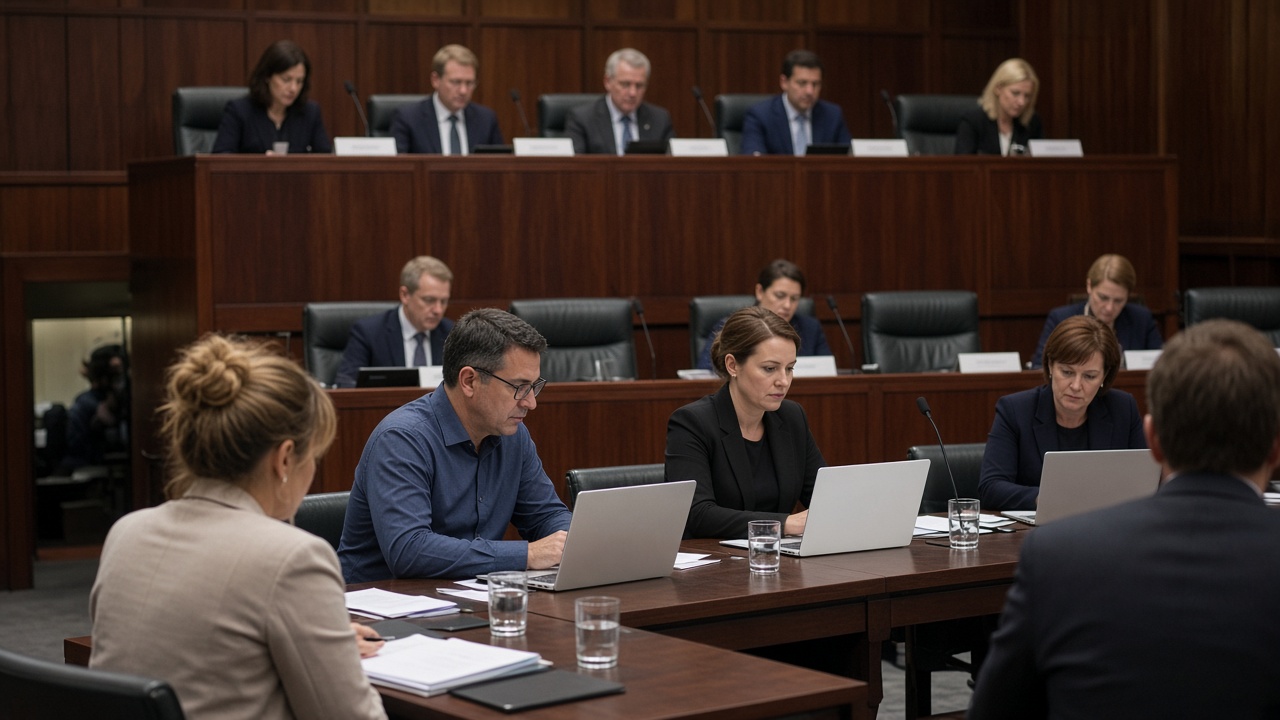
A Senate committee began public hearings in Canberra on Monday on the Albanese government's Online Safety Amendment (Digital Duty of Care) Bill 2026, starting with parents who described losing children to online abuse and moving on to tense exchanges with Australia's largest social media platforms.
The inquiry, scheduled to report on 20 November, is the first full parliamentary test of legislation that would require online services—from social networks and search engines to games and artificial-intelligence chatbots—to proactively design products so Australians, especially children, face less foreseeable harm.
Parents press for enforceable standards
Bereaved families told senators that existing reporting tools and takedown processes arrived too late for their children. SBS News reported that parents whose sons and daughters died after cyberbullying, sextortion scams or pro-suicide material urged lawmakers not to treat online safety as a partisan contest and to keep mandatory codes rather than unenforceable guidance.
Wayne Holdsworth, whose son Mac died following a sextortion scam, was among those asking for faster enforcement levers. Communications Minister Anika Wells told Channel Nine's Today program that the bill was a "courageous" attempt to embed basic safety standards, adding that "if you build it, you are responsible for its risks." Wells later told ABC Radio she was open to amendments that strengthened the law but did not detail concessions ahead of Senate negotiations.
Coalition senators, including Sarah Henderson, argued portions of the draft are vague and could chill legitimate debate. Henderson cited departmental briefings about hostile attitudes toward women and asked whether the bill could be used to "shut down the manosphere," a claim Wells disputed while acknowledging the bill covers a wide range of digital environments.
Platforms back the goal, not the draft
Afternoon testimony shifted to executives from Meta, Google, TikTok Australia and Snap Inc. Australian Associated Press reported that the companies supported harm reduction in principle but described the bill as rushed, with unclear obligations and enforcement powers that could swamp smaller developers in compliance costs.
ABC's live coverage of the hearing showed Greens Senator Sarah Hanson-Young pressing TikTok representative Jessika Lofstedt over a self-harm related post that Hanson-Young said had accumulated hundreds of thousands of interactions. Lofstedt declined to comment on the specific example without reviewing it, prompting Hanson-Young to say it was "ridiculous" for an inquiry to chase isolated URLs rather than systemic failures.
Hanson-Young also tested whether Australians should be able to sue platforms directly for compensation—a path the Greens want but that Meta's Mia Garlick said would be difficult to graft onto the current bill. Snap and TikTok pointed instead to the eSafety Commissioner's existing regulatory toolkit, while Meta referenced a U.S. settlement over teen addiction as a possible model for additional teen protections in Australia.
What happens before the Senate votes
The Environment and Communications Legislation Committee received more than 130 written submissions before Monday's hearing. Under the draft act, companies that breach the proposed duty could face fines of up to $109 million, and some users might choose chronological feeds limited to accounts they already follow instead of algorithmic recommendations.
With the government seeking bipartisan backing in a crowded final sitting fortnight, today's evidence will shape amendment lists from the Coalition, Greens and crossbenchers. Tech lobbyists want narrower definitions of foreseeable harm; child-safety advocates want personal compensation routes and fast eSafety enforcement. The committee's report on 20 November will determine whether the bill reaches the Senate floor unchanged or returns to the House of Representatives with significant rewrites.