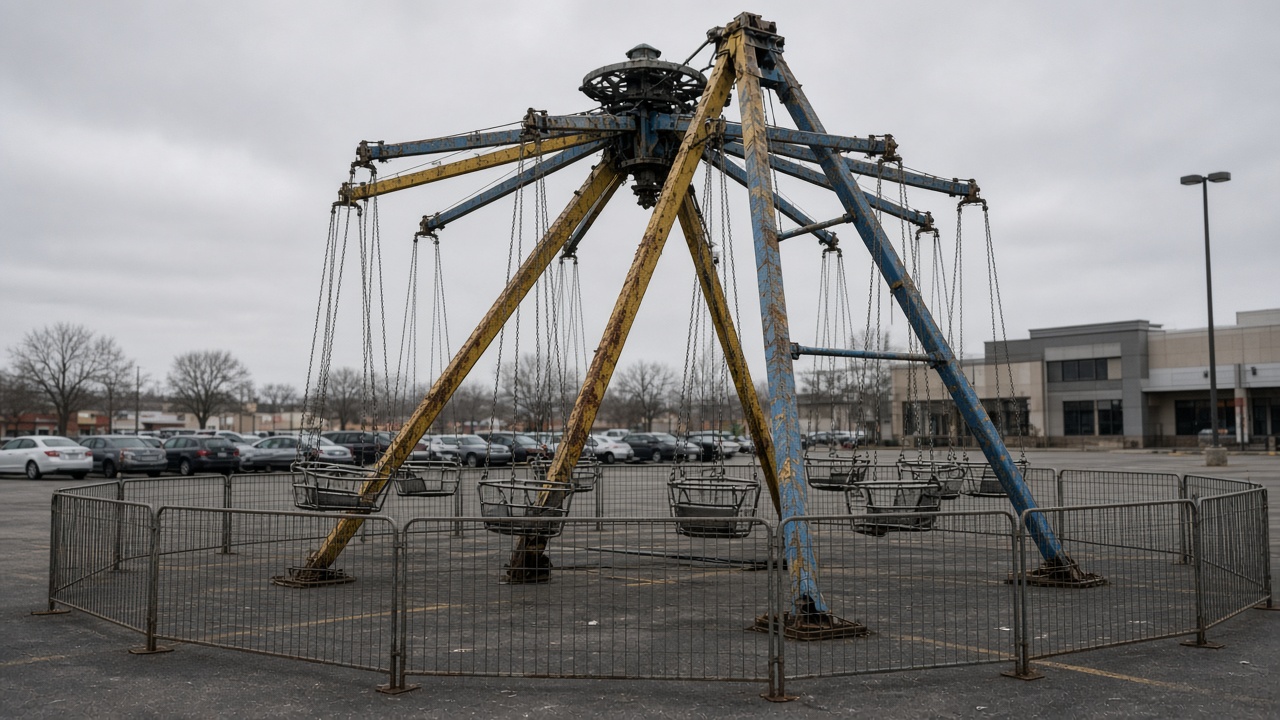
Singapore's Building and Construction Authority is proposing to exempt certain low-risk amusement rides from annual permit renewals if they meet updated engineering criteria, a shift operators say could free capital to rotate pop-up carnivals across malls and school fields.
Who benefits
BCA told Channel NewsAsia that about one in five licensed operators could qualify. Rides with limited height, restrained speeds and redundant restraints may move to a registration model instead of full permitting, though operators remain liable for maintenance logs and annual inspections.
The change does not touch high-thrill machines at Sentosa or major theme parks; those still face stringent audit cycles after regional accidents elsewhere in ASEAN reminded regulators how quickly reputation risk travels.
Safety trade-offs
Consumer advocates want clarity on how BCA defines "low risk" and whether travelling fairs will self-certify. The authority stressed it keeps enforcement powers and can revoke registrations if incident reports spike.
For parents, the practical test is unchanged: check restraint fit, watch operator attentiveness and avoid rides without visible inspection stickers—even if the sticker format changes.
Business mechanics
Portable ride vendors often run thin margins after diesel generators, labour and site rental. Permit fees are not the largest cost, but they lock cash weeks before a carnival opens. Shorter admin loops let operators chase Deepavali and year-end school fair calendars back-to-back.
Mall landlords hunting foot traffic may see more mini carnivals beside pop-up fairs. Technology watchers link the move to broader regulatory simplification under the Enterprise Regulatory Review, though BCA's consultation is sector-specific.
Parliament is not voting on ferris wheels this month, but the consultation is a small example of how agencies trim compliance where risk models allow—freeing operators to chase customers instead of inboxes.
Consultation timeline
BCA typically runs an industry briefing, publishes draft criteria, then opens a four-to-six-week feedback window. Operators who think they qualify will submit engineering certificates showing restraint geometry and fail-safe brakes. Consumers can comment through the same portal if they want incident statistics published annually.
Theme parks argue exempt rides should still appear in a public register even without full permits, so parents can search a ride name before queuing. BCA has not committed to that level of transparency yet, but operators expect some online listing as part of the final rule.
Mall operators said predictable timelines matter more than fee savings alone: a two-week slip can mean missing a school holiday window entirely. BCA's response emphasised that safety inspectors will still spot-check registered rides unannounced.