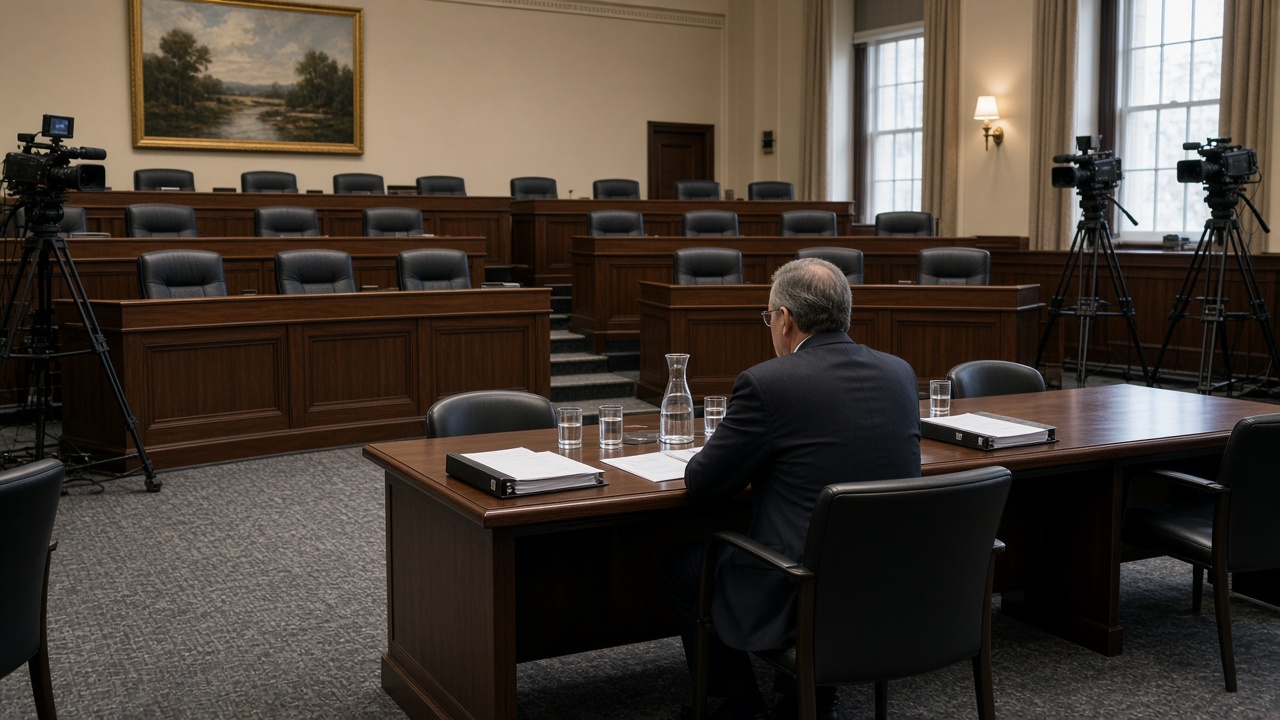
South Korea’s ruling and opposition parties open a four-day budget drill on 9 November as the National Assembly’s Special Committee on Budget and Accounts reviews line items ahead of broader floor fights over a 820.9-trillion-won spending plan and a disputed 162-trillion-won Future Response Fund.
Political sources quoted by Aju Press said hearings will run daily through 12 November to prepare for subcommittee negotiations beginning 16 November. Democrats, holding 161 seats plus allies above 180 when smaller parties align, are positioned to steer totals unless the opposition can peel off defections—a unlikely scenario on megaproject funding but possible on regional earmarks.
What each side is fighting over
The Democratic Party frames the Future Response Fund as growth seed money for chips, batteries and AI infrastructure. The People Power Party labels it a campaign war chest and demands elimination. The same week, Democrats pushed through a special prosecutor bill investigating alleged politically motivated indictments under former president Yoon Suk Yeol, with the opposition boycotting votes and threatening filibusters on remaining contentious legislation.
On 5 November the Assembly also passed a resolution to seat a special committee on ultra-regional strategic industry zones, mixing ten ruling-party members with six opposition lawmakers despite boycotts on related votes. That committee is supposed to shepherd complex bills touching trade, energy and land ministries through January 2027, signaling that industrial policy will stay on the calendar even as budget tempers flare.
Street politics returns
People Power leaders planned a one-person protest at the Blue House on 9 November urging President Lee to veto the special prosecutor law, following a large street rally near Gyeongbokgung Station. Party officials scheduled another lawmakers’ gathering on 10 November to coincide with a cabinet meeting, a choreography meant to keep media attention on veto politics while budget staff crunch numbers indoors.
Analysts expect Democrats to bundle budget votes with remaining controversial bills before the regular session ends in December, forcing the opposition to choose between prolonged filibusters and constituent projects they still want funded. Filibuster rules let a single member hold the floor for hours, but cannot indefinitely block appropriations if the ruling bloc maintains discipline.
What citizens should track
Hearings this week may look technical—program-level swaps rather than headline totals—but they set which job-training, housing and welfare lines survive if the Future Response Fund survives cuts. Export strength celebrated by the trade ministry does not automatically fill domestic programs; appropriators decide whether customs receipts translate into local clinic grants or remain in industrial shells.
With the Kospi still orbiting 5,000 after a bruising week, pension and sovereign funds that feed parts of the budget also face mark-to-market questions. Lawmakers rarely cite index levels in hearing transcripts, yet civil servants presenting charts will know foreign selling shapes public mood. The subcommittee’s work is where abstract trillion-won rhetoric meets line-by-line votes that land in district offices by spring.