The Japan Credit Association warned member lenders and payment acquirers on Monday about a weekend wave of QR-code payment fraud in which counterfeit stickers redirected mobile-wallet scans to criminal settlement accounts, echoing tactics that struck convenience stores and pop-up markets earlier this year.
The bulletin followed loss reports filed by three regional banks that saw customers approve transactions they believed were donations to disaster-relief drives tied to Saturday's earthquake in central Japan.
How the scam works
Fraudsters overlay legitimate QR stickers at parking lots, festival booths, and station kiosks with codes that open cloned payment pages mimicking PayPay, Rakuten Pay, or bank-branded wallets. Victims authorize small charges that route to mule accounts before laundering through cryptocurrency exchanges. Association staff said the weekend cluster involved at least 47 spoofed stickers discovered in Chubu and Kansai, with average losses near 38,000 yen per victim in cases reported through Sunday night.
Earthquake hook
Scammers reused sympathetic messaging—fake NPO names referencing Aichi and Shizuoka damage—to justify urgent scans. Consumer centers cautioned that authentic relief funds publish verified URLs on prefectural sites, not ad-hoc stickers on train platforms. Banks temporarily lowered auto-approval limits for new payees under 10,000 yen while fraud teams traced settlement chains.
Industry response
The association urged acquirers to tighten merchant onboarding reviews for temporary booths and to push firmware updates that display merchant legal names prominently before confirmation. Payment brands discussed shared blocklists of device identifiers seen in multiple incidents. FSA observers asked whether convenience-store chains should photograph QR placements during opening checklists, a procedural step some Tokyo franchises already adopted after spring fraud spikes.
Consumer steps
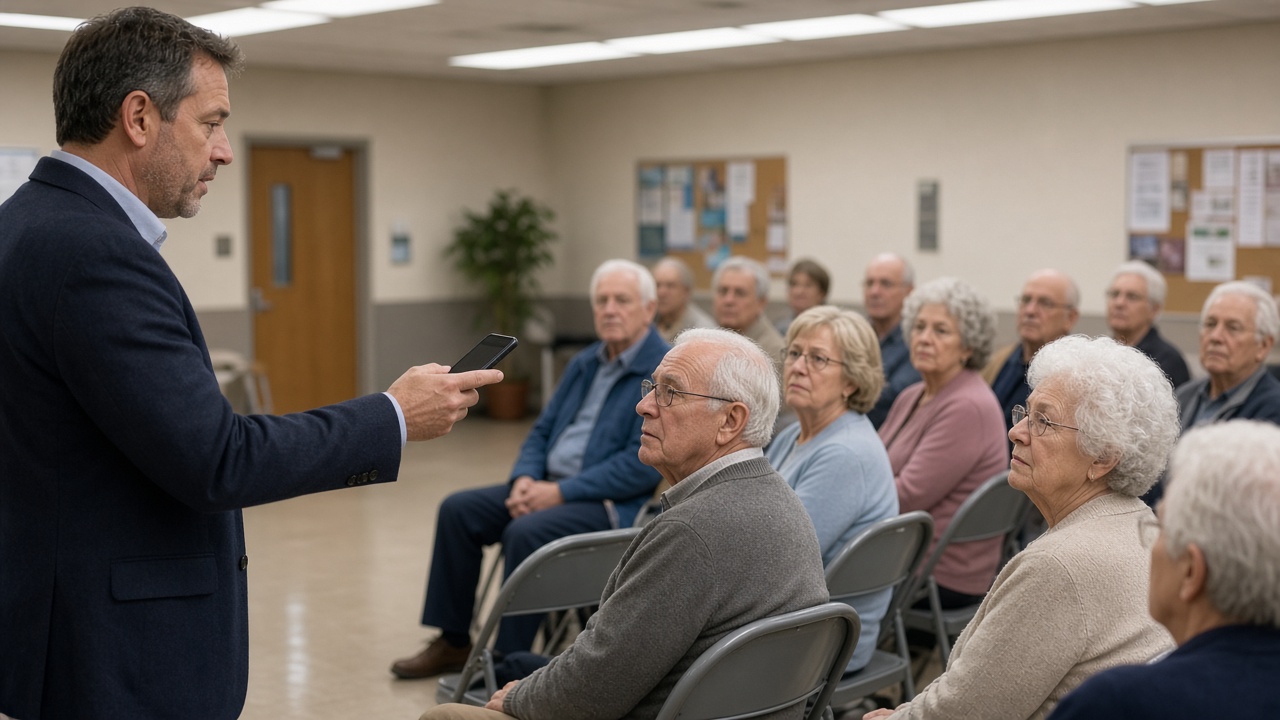
Officials repeated basics: inspect stickers for tamper marks, prefer in-app merchant search over random codes, and enable transaction notifications. Elderly users remain overrepresented in loss statistics, prompting credit unions to schedule branch lectures this week. Victims can dispute unauthorized transfers within association timelines if they file police reports promptly; delays beyond 60 days often void chargeback rights on certain wallets.
Law enforcement
Prefectural cyber units coordinated with the National Police Agency to scrape cloned domains registered hours before events. Several sites used cheap overseas hosting with Japanese-language templates copied from real charities. Osaka investigators visited a print shop on Sunday night after tracing sticker orders through wholesale receipts, though prosecutors had not announced charges by Monday morning.
Policy pressure
Lawmakers debating scam-countermeasure legislation cite QR overlays as evidence that criminal tools move faster than static PIN defenses. Unlike voice-phishing, QR fraud leaves physical evidence—stickers investigators can fingerprint—yet volumes strain local police labs. The credit association wants a national sticker certification mark, an idea payment startups call workable only if merchants comply.
Monday takeaway
The alert does not halt QR payments, which account for a growing share of Japan's cashless push, but it reminds users that earthquake sympathy is now a social-engineering theme. Banks will watch whether loss rates peak during upcoming winter festivals; shoppers scanning codes for mulled wine and year-end gifts should treat stickers with the same skepticism as unsolicited phone calls.
Branch response
Several member lenders scheduled lobby posters this week illustrating authentic QR flows and posted branch hotlines for customers who suspect tampered stickers. Association trainers uploaded updated slide decks for tellers who field questions from elderly customers uncomfortable downloading wallet apps.
Wallet settings
The association urged users to disable one-tap payments above 30,000 yen until sticker inspections finish at participating festivals, and to register devices for biometric locks that block unauthorized approvals when phones are lost.
Data sharing
Member banks agreed to share spoofed merchant identifiers through a secure feed updated hourly, helping acquirers block repeat settlement accounts before additional victims authorize transfers.
Convenience-store franchises asked field managers to photograph QR placements during opening inspections and to store images for 30 days in case police request evidence.
Retail associations in Nagoya and Osaka planned storefront briefings Tuesday to demonstrate how to peel and test stickers before scanning.