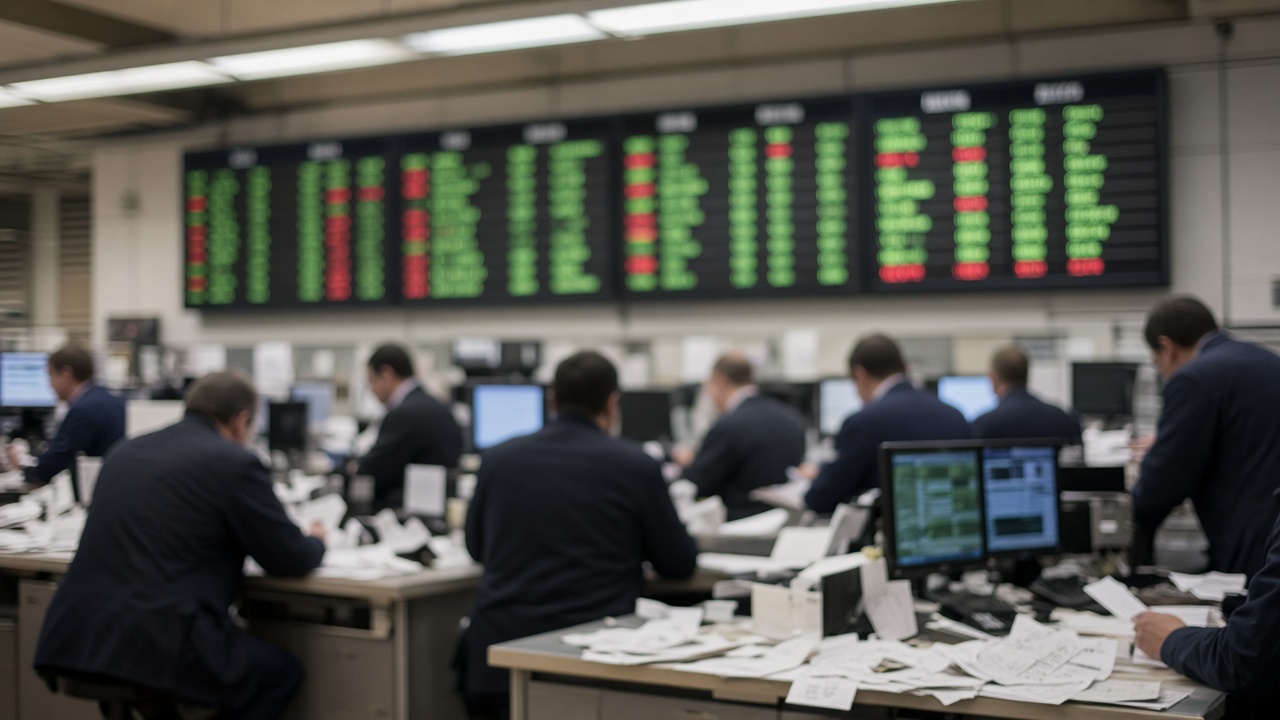
Tokyo cash equities open Monday with Nikkei 225 futures on the Osaka Exchange signaling a rebound of roughly 800 points from Friday's 57,434.77 close, a gap that puts regional banks and trading houses at the top of pre-market liquidity screens after the index suffered its steepest weekly fall since the 2020 pandemic shock.
Resona Holdings and Mizuho Financial Group appeared among the strongest pre-open bids in early broker composites, reflecting a rotation argument that higher policy rates eventually widen lending margins even when technology holdings pressure the index. Semiconductor-weighted boards led last week's decline; the Philadelphia semiconductor index's Friday bounce gave Tokyo futures a sympathetic lift, though strategists cautioned that a single overseas session rarely repairs five days of selling.
Futures versus cash
December Nikkei futures settled the overnight session near 58,250, about 840 points above the cash close printed at 3:00 p.m. Friday. That spread implies a gain of slightly more than 1 percent if the opening auction holds, far smaller than the 3,643-point drop endured on the final session of the week. Arbitrage desks watch basis moves closely on Mondays after volatile weeks because pension rebalancing flows can amplify or fade the futures signal within the first thirty minutes of trade.
Who led the selloff
Friday's plunge was broad: the Topix fell 5.90 percent to 3,707.99, and even banks that normally benefit from rate-hike bets traded lower as global risk appetite evaporated. Advantest, Tokyo Electron, and other AI-infrastructure suppliers bore the brunt of the de-risking, dragging the Nikkei below the psychologically watched 60,000 line. Broker notes circulating Sunday evening said short-covering in those names could fuel an opening pop, while more defensive domestic staples might lag if investors remain in risk-reduction mode.
Bank bid thesis
Mizuho and Resona screens turned green in pre-open indication tables partly because the Bank of Japan held its policy rate at 1.25 percent in October while signaling vigilance on inflation. September meeting minutes published earlier in November underscored board members' willingness to accelerate hikes if prices overshoot. For banks, that path implies net interest margins expand on domestic loan books even if fee income softens. Traders also cited oversold technical readings on regional bank ETFs that track Resona's Kansai-heavy footprint.
Calendar crosswinds
Monday's session precedes Tuesday's summarized opinions from the BOJ's late-October meeting and U.S. October CPI data due late Tuesday night in Tokyo. Both events can move rate expectations faster than an opening futures gap. Equity sales desks told clients to treat any early strength as fragile until 58,000 holds on a closing basis; failure to clear that level could invite fresh selling into interim earnings from construction and foodmakers scheduled throughout the morning.
Flows and positioning
Foreign investors were net sellers on several sessions last week according to preliminary exchange data, while domestic retail accounts showed elevated margin-trading usage in chip leaders before the break. Commodity trading advisers that track Nikkei volatility signatures reduced exposure into the weekend, a positioning clean-up that sometimes precedes short-term rebounds. Life insurers, which buy on dividend-yield arguments, were quieter in broker chatter, suggesting any rally may rely on trading-oriented accounts until month-end balance-sheet buyers return.
Levels traders cite
Strategists mapped initial support near Friday's intraday low around 56,746 and resistance at 58,250, the futures settlement level. A close back above 60,000 would require sustained buying in technology leaders, not just bank mean reversion. Options markets priced elevated implied volatility for the coming week, consistent with earnings and macro data stacking. Market makers widened spreads on less liquid small-cap names, another sign that liquidity remains thin despite the futures premium.
What Monday proves
An opening bounce would confirm that global tech stabilization can interrupt Japan's correlation with U.S. semiconductor sentiment, but it would not by itself mark a trend reversal. Bank-led gains without chip participation would signal a defensive rotation rather than a return of the AI trade that powered the Nikkei above record highs earlier in 2026. Investors returning from the weekend face a session that is as much about testing liquidity as celebrating a futures gap.