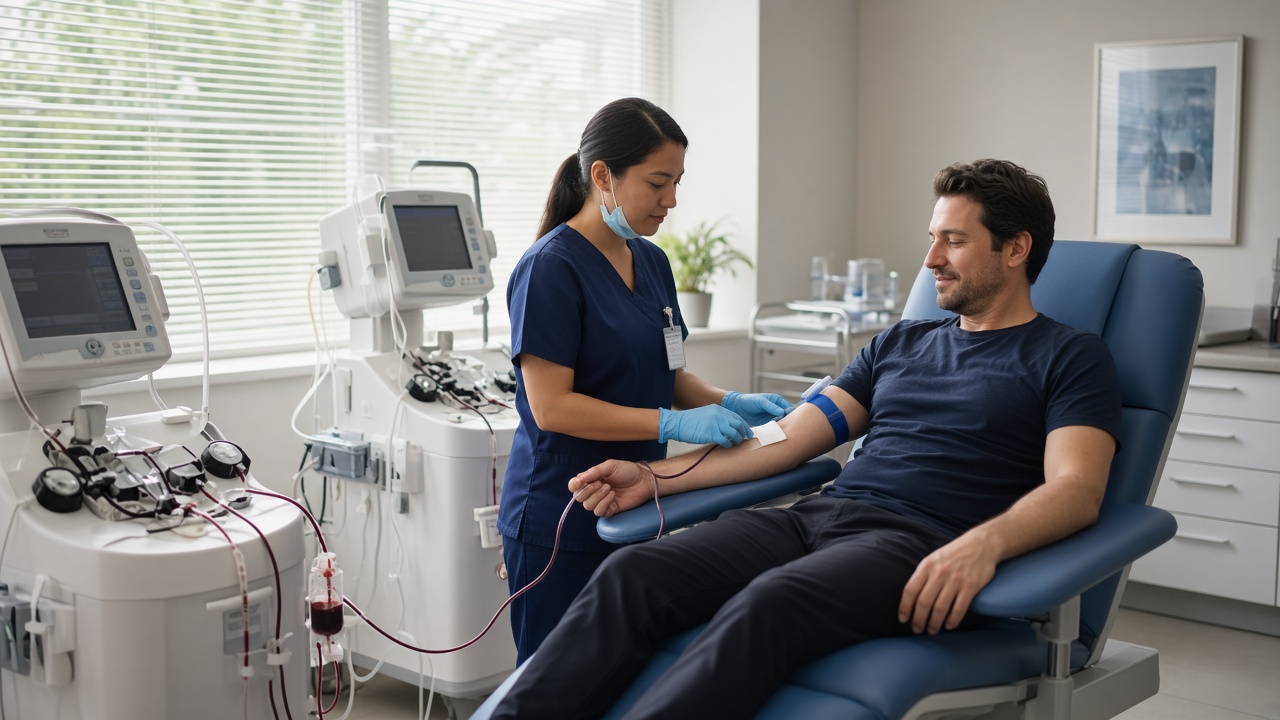
The Saitama Red Cross Blood Center reduced platelet-donation waitlists to under four days on Monday after a corporate drive week added 1,120 apheresis units, relieving pressure on cancer wards that had postponed elective surgeries when inventories dipped below three-day cover.
Platelets expire within days and cannot be stockpiled like red cells, making corporate campaigns in Greater Tokyo commuter corridors critical when flu season competes for the same donor pool.
Inventory crunch
Hospital pharmacists flagged shortages in late October when simultaneous flu vaccinations and a regional sports event diverted eligible donors. Saitama Cancer Center rescheduled two dozen procedures before the drive week, citing platelet counts needed for post-chemotherapy transfusion buffers. Red Cross logistics staff imported supplemental kits from neighboring Chiba to keep apheresis lines running extended hours.
Drive mechanics
Keizai Doyukai Saitama chapter coordinated with rail operators to offer station posters and employer-paid leave for two-hour donation shifts. Manufacturing plants near Ageo rotated line workers through buses bound for the Ōmiya collection site. Mobile units visited Sakado and Kawagoe on Saturday, targeting donors who avoid central city traffic. Registration apps showed a 28 percent bump in first-time platelet donors compared with the prior week.
Medical impact
With waitlists shrinking, surgeons restarted bone-marrow transplant prep schedules deferred since mid-October. Pediatric oncologists cautioned that influenza co-infections could still spike demand, urging donors who passed pre-screen questionnaires to return within the 14-day platelet eligibility window. Blood type O and A Rh-positive pools recovered fastest; AB platelets remain tight nationally.
National context
Japan's aging donor base struggles to keep pace with rising cancer incidence. Health ministry panels discuss monetary incentives but retain voluntary ethos for most collections. Summer heat waves already forced mobile cancellations; winter colds disqualify symptomatic volunteers. Saitama's success model—employer coordination plus transit visibility—may appear in ministry best-practice memos if metrics hold through November.
Donor eligibility
Recent tattoo rules and travel deferrals for malaria-endemic trips still exclude some young donors recruiters target on social media. Red Cross nurses emphasized hydration and iron-rich diets before apheresis to reduce deferrals on hemoglobin tests. Corporate drives include private screening rooms for employees wary of workplace stigma, a sensitivity HR departments requested after pandemic-era privacy concerns.
What donors see
Appointment slots for whole blood remain separate; platelet chairs require longer commitments but allow more frequent donations. The Ōmiya center added evening hours until 8:00 p.m. through Friday to absorb lingering waitlist demand. Donors receive rail-point partnerships rather than cash, aligning with Red Cross policy.
Looking ahead
If flu positivity climbs in neighboring Tokyo wards, Saitama inventories could tighten again by December. For now, shorter waitlists translate directly into operating-room calendars—a tangible health headline on a day dominated by market futures and diplomatic motorcades.
Local newspapers planned follow-up profiles on first-time donors recruited through employer leave programs, hoping sustained storytelling keeps waitlists short after the corporate campaign ends.