SEBI-aligned cyber resilience auditors began on-site reviews of broker trading APIs on Monday after cybercrime desks in Gurugram recorded a sharp rise in complaints about counterfeit initial public offering allotment messages.
Official statements described deceptive SMS templates mimicking registrar handles, then capturing one-time passwords on look-alike domains tuned for mobile browsers. Complaints clustered among first-time IPO applicants who assumed allotment links were genuine because they arrived within minutes of subscription windows closing.
Why APIs are in scope
The activity ended at retail brokerage consoles, not at exchange matching engines. Operators attempted to liquidate thinly traded small-cap positions after moving account holders through counterfeit KYC refresh pages. CSCRF rules published last August require regulated entities to map third-party dependencies—including customer-facing APIs exposed to aggregator apps.
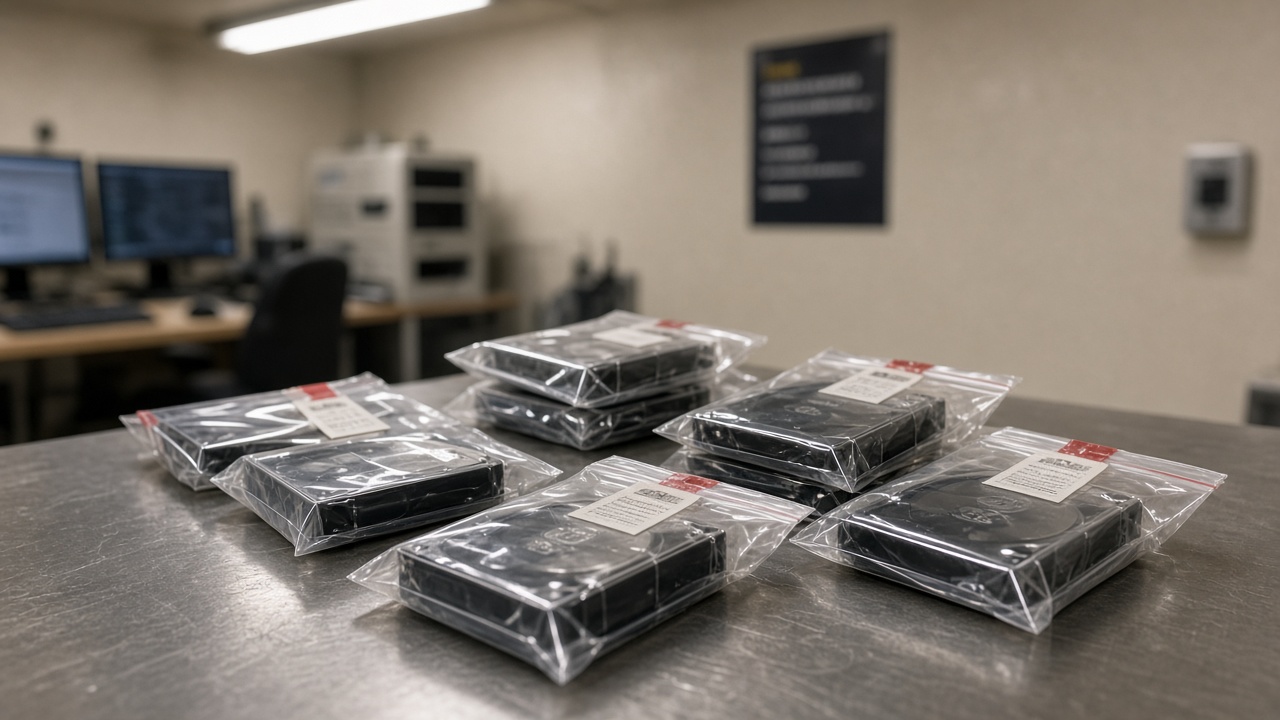
Auditors are checking whether rate limits, device binding and step-up authentication on order placement would have blocked irregular activity that law enforcement later tied to seized laptops. Brokers must file attestation letters to exchanges if gaps are found.
Investor education gap
Depositories reiterated that allotment status lives only on official registrar portals and broker dashboards with TLS padlocks matching published hostnames. Gurugram cyber teams recovered templating kits reused across three IPO names; issuers were cited only as impersonation targets in the public briefing, not as parties to enforcement.
Consumer groups want exchanges to push in-app banners during subscription weeks. SEBI has not mandated that yet, but Monday’s field visits signal regulators will score brokers on incident response timelines, not just firewall diagrams.
Market integrity angle
Even small successful liquidations can distort micro-cap prices. Surveillance desks are correlating spikes in illiquid scrips with complaint timestamps. If patterns persist, expect tighter cooling periods on newly listed small issues.
For Demat holders, the practical defence remains boring: type URLs manually, ignore urgency language, and report suspicious SMS to the national cybercrime portal. Monday’s audits aim to ensure the brokerage back end does not become the weakest hinge during allotment season.
Compliance officers at two listed brokers said night-shift crews extended log retention to ninety days for OAuth token minting. That is tedious work, but it is the sort of evidence SEBI examiners request when reconstructing a compromised session.
Retail investor associations plan weekend webinars with depository participants on how allotment timelines actually work. Regulators hope education complements technology spend rather than replacing it.