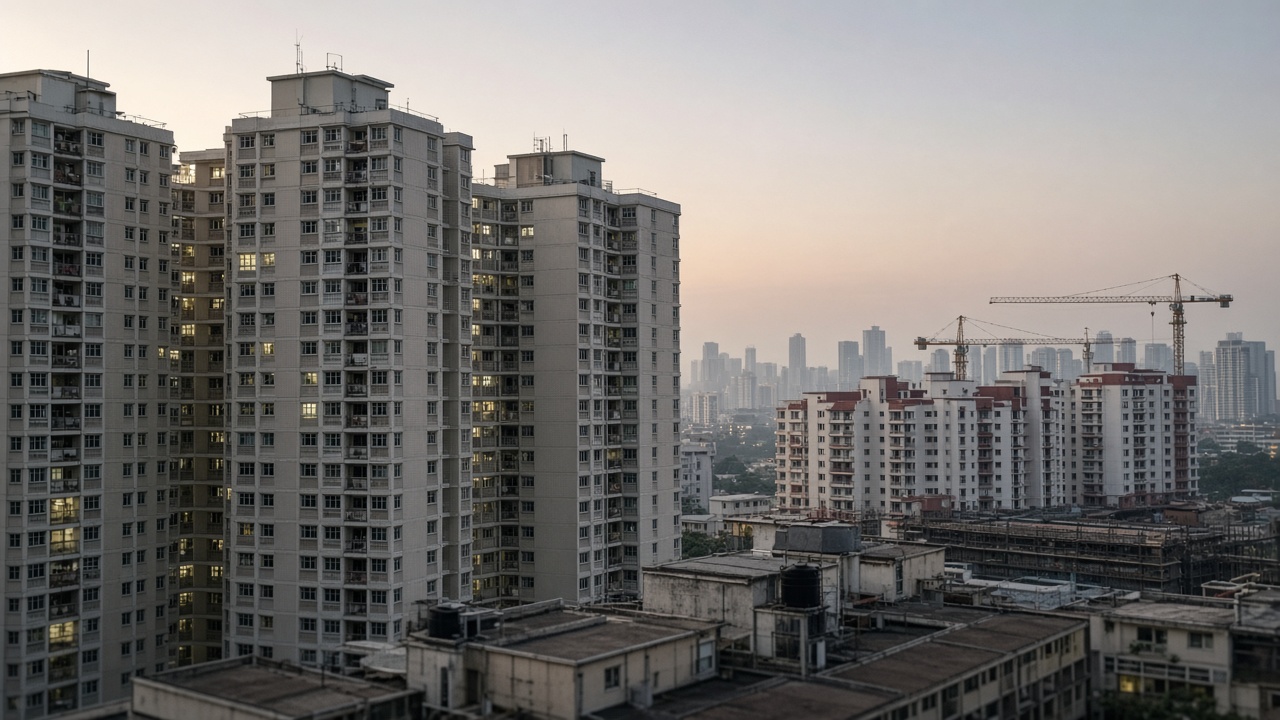
Singapore rolled out a new package of property curbs effective Monday, lifting buyer stamp duties, tightening mortgage rules for second homes and extending anti-speculation tools to the industrial market after private home prices climbed to another record and logistics real-estate values doubled in three years. The measures land more than 15 years into a tightening cycle that began after the 2009 global financial crisis.
Residential buyers face higher duties
In a statement issued Sunday, the government said buyer stamp duty bands would rise by between five and seven percentage points depending on the property value bracket. Permanent residents will pay additional buyer’s stamp duty on their first home purchase, a change from the prior framework that exempted many first-time PR buyers. Singapore citizens remain exempt on a first home but face steeper duties starting with a second property, the notice said.
Officials framed the shift as a return to prioritising owner-occupation on an island with scarce land. Cushman & Wakefield regional director Priyaranjan Kumar told industry media he expected residential gains to “moderate further” while industrial sales face a sharper immediate hit.
Loans and executive condominiums
The Monetary Authority of Singapore’s loan-to-value limits tighten for buyers taking a second housing loan, the statement said. Cash down payments for those borrowers rise to 25 percent from 10 percent. For executive condominiums—hybrid public-private projects—bank loan repayments will be capped at 30 percent of a buyer’s monthly income. Permanent residents will no longer be allowed to sublet entire EC units, and new EC sizes will be capped at 160 square meters.
Executive condominiums sit between HDB flats and full private condos, with income ceilings and minimum occupation periods that make them sensitive barometers of middle-class housing stress.
Industrial seller’s stamp duty
Investors in warehouses and business parks will face a new seller’s stamp duty, starting at 15 percent if a property is sold within one year of purchase, the government said. Logistics values have surged alongside e-commerce demand, and policymakers have warned that speculative churn could spill into rents paid by manufacturers and last-mile distributors.
What developers expect
Shares of major developers have led the Straits Times Index in prior years; analysts said the sharper industrial levy may clip near-term land bids even as public housing policies remain on a separate track. The government reiterated that it will keep monitoring transactions and can adjust thresholds without waiting for a budget cycle.
For households already hunting resale flats, the package does not unwind earlier additional buyer’s stamp duty tiers for foreigners and entities, nor does it change seller’s stamp duty holding periods on private homes bought since mid-2025. Brokers said the announcement nevertheless resets buyer psychology after a run-up that outpaced wage growth in several sectors.