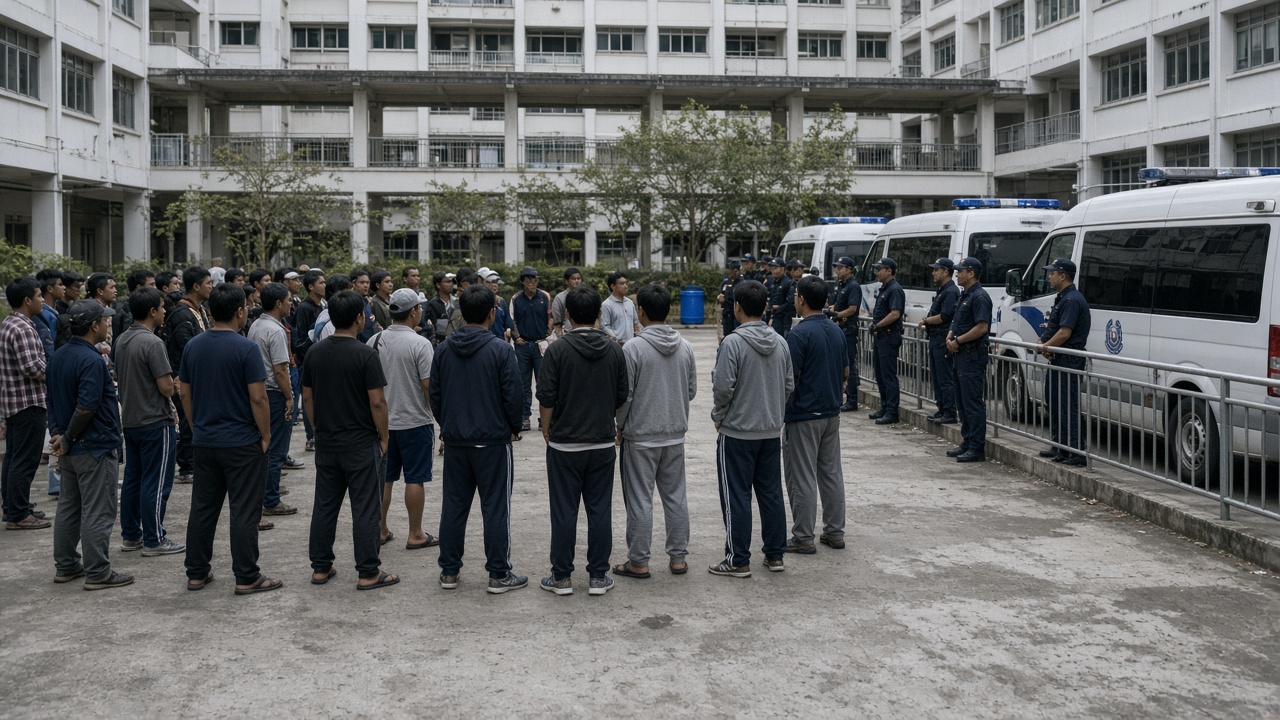
At least 100 bus drivers from China refused to report for work on Monday in a labour protest against SMRT Corp, Singapore's largest public-transport operator, according to Chinese-language newspaper reports and images published by local media. The stoppage is unusual in a city-state where industrial action is tightly restricted and strikes are rare.
What drivers say changed in their pay
Lianhe Zaobao reported that SMRT moved the drivers onto a six-day workweek that carries higher base wages but removes the five-day schedule many relied on to earn overtime on rest days. Drivers quoted by Lianhe Wanbao said monthly take-home pay fell from more than S$2,000 to about S$1,400 once routine overtime disappeared. Several told reporters they also believed mainland Chinese staff were paid less than Singaporean and Malaysian colleagues for comparable routes.
SMRT declined immediate comment when approached by international outlets on Monday morning, saying a formal statement was being prepared. Channel NewsAsia quoted the company as saying talks with affected drivers were under way. Neither SMRT nor the Ministry of Manpower has published revised pay tables.
Dormitory scene draws a heavy police presence
Shin Min Daily News published photographs showing drivers gathered on the grounds of a dormitory where many foreign workers live, with police vehicles and riot-response trucks nearby. No arrests were reported in initial accounts. Singapore last saw a major strike in 1986 among shipyard workers; since then authorities have treated unauthorised walkouts as a threat to the country's investor-friendly reputation.
The protest lands amid continuing debate over foreign labour in Singapore, where more than one million work permit holders perform essential services. The government has raised levies on low-wage hires and tightened foreign-worker quotas in recent years, citing pressure on wages and congestion.
Commuter risk on a Monday morning
SMRT did not issue a service advisory by mid-morning on how many bus trips might be cancelled if the refusal to work continued. Singapore's Land Transport Authority typically monitors operator staffing during peak hours. Any prolonged shortage could strain trunk routes that depend on split shifts across the island's bus network.
Labour relations on the buses have flared before. In 2012, 171 SMRT drivers from China staged a two-day walkout over pay and living conditions, leading to prosecutions under the Industrial Relations Act and jail terms for several participants. Monday's numbers are smaller, but the visibility of riot police at a worker dormitory underscores how quickly officials escalate when mass transit labour halts.
What happens next
Observers will watch whether SMRT rolls back schedule changes, offers retention bonuses, or disciplines participants. The Ministry of Manpower can classify unprotected strikes as illegal and refer cases to prosecutors. For now, company negotiators and union-linked mediators face pressure to restore shifts before evening peak travel while keeping a settlement that does not invite copycat stoppages across other SMRT depots employing Chinese nationals.