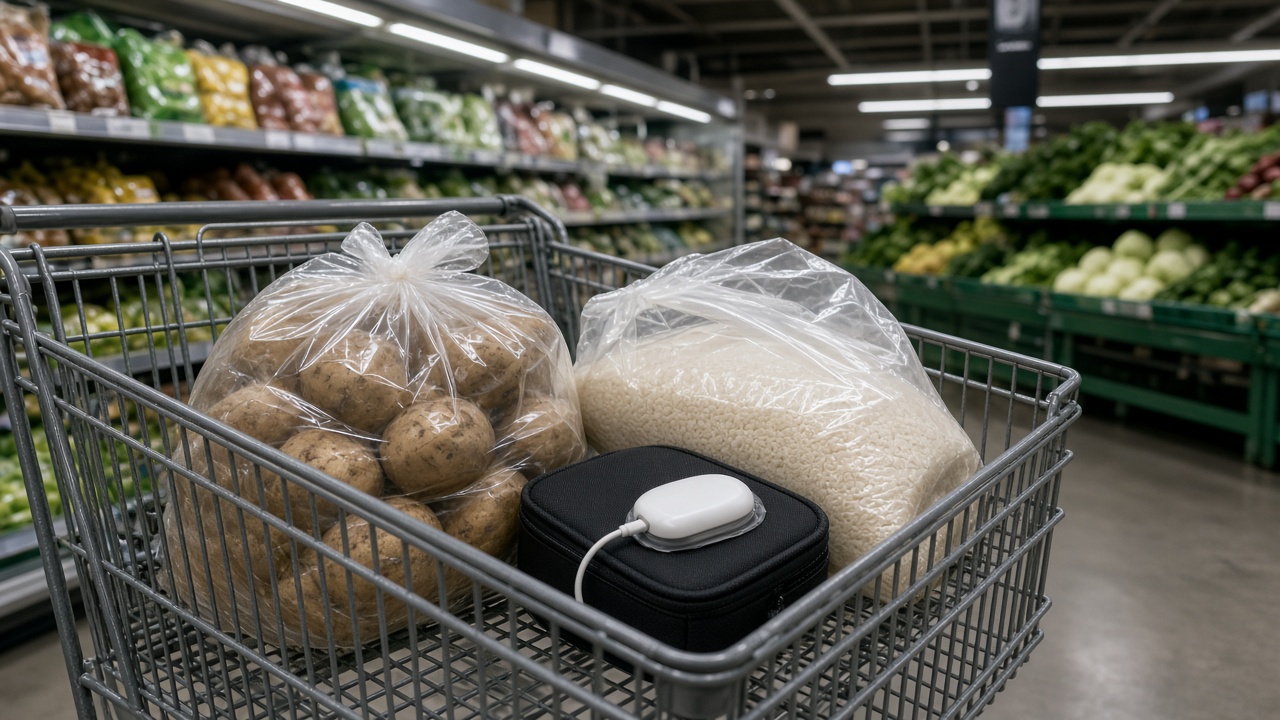
Clinical dietitians are warning that partial November Supplemental Nutrition Assistance Program loads are pushing diabetic households toward cheap, shelf-stable carbohydrates just as the Senate moves to fully fund benefits again, a combination that can destabilize blood-sugar control faster than any single missed appointment.
During the federal shutdown, states varied in how they issued November SNAP dollars, with some households receiving roughly half of a typical monthly allotment while Congress debated restocking the program. Food banks reported longer lines in media markets from Philadelphia to Houston, and clinicians say the mix of delayed benefits and imposter calls impersonating state agencies has made it harder for patients to plan consistent meals.
Why diabetes magnifies the gap
Registered dietitians who counsel Medicaid and SNAP patients say timing matters as much as calories. Carbohydrate-forward emergency boxes stabilize hunger but spike glucose when portioned across several days without fresh produce or lean protein. The American Diabetes Association recommends pairing carbohydrates with fiber and protein; pantry kits rarely arrive with both in balance.
Continuous glucose monitor users can see the effect within hours: larger post-meal spikes, overnight corrections, and more frequent hypoglycemia if patients compensate with extra insulin while portions shrink. Endocrinology practices in community health centers report phone traffic asking whether it is safe to skip doses when meals disappear—a dangerous improvisation clinicians discourage.
Clinical workarounds
Providers are recommending free-text meal plans that assume $40 weeks rather than $120 weeks: eggs when available, frozen vegetables instead of fresh, beans as the primary protein, and half-portions of starches rather than eliminating carbs outright. Pharmacists are urged to watch for patients rationing metformin or GLP-1 pens when copays compete with groceries.
Some states allow SNAP for medically tailored meals through waiver programs, but enrollment is slow. Until full benefits reload, hospital discharge planners are documenting food insecurity in charts so social workers can queue food-bank referrals before patients leave the building.
Policy context
Senate negotiators included full-year SNAP funding in the stopgap package advancing Sunday, according to financial press summaries, which should let states issue remaining November and December loads once USDA issues guidance. Until EBT balances update, households should ignore phone pitches offering “replacement funds” within 24 hours—official notices will post on state portals, as attorneys general emphasize in phishing alerts.
None of that clinical guidance waits on Washington. Dietitians advise photographing EBT balances, keeping receipts for reimbursable medical expenses where applicable, and using 211 hotlines to locate produce giveaways that complement pantry starch.
When to seek care
Patients who notice fasting glucose above their clinician’s threshold for more than three days, who cannot afford test strips, or who feel symptomatic with very high or low readings should use urgent care or telehealth rather than stretching insulin. Food insecurity is a medical issue when it interrupts medication adherence.
Restoring SNAP on paper helps budgets; restoring predictable carbohydrates on the plate is what stabilizes diabetes day to day. Nutritionists expect that work to continue even after the shutdown ends, because households will need time to repopulate refrigerators once cards reload.