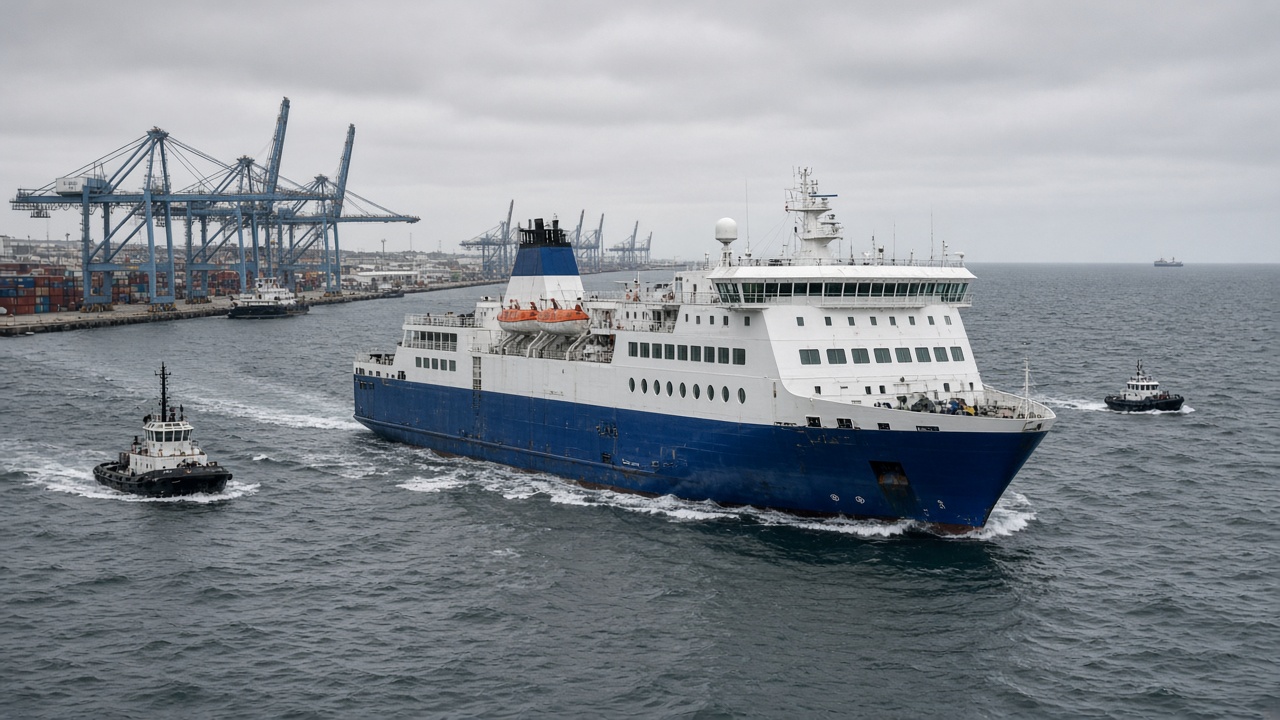
TT-Line has suspended autopilot on Spirit of Tasmania crossings through Port Phillip Bay, forcing manual steering near Geelong while investigators examine recurring faults on the operator's new ferries. The change affects the Melbourne end of the Bass Strait run, where the two Spirit IV vessels thread a busy channel before heading to Devonport in Tasmania.
ABC Melbourne reported on Monday that the company stopped using autopilot during transits of the bay as a probe into steering problems continues. The decision comes weeks after the long-awaited ferries entered service, replacing older ships that had carried passengers and freight across the strait for decades.
What triggered the restriction
Maritime sources quoted in Australian coverage have linked the review to steering-system faults detected on the new builds. TT-Line has not publicly detailed every incident, but the autopilot ban signals that engineers have not yet cleared the integrated navigation stack for unsupervised use in confined Victorian waters. Port Phillip Bay's approaches near Geelong mix recreational craft, cargo traffic and the ferry timetable, leaving little margin for delayed helm response.
Passenger schedules on the overnight run have continued, according to operator statements carried by local media, though crews now bear additional workload on the Victorian leg. Bass Strait itself, where weather can turn quickly, was not described as subject to the same autopilot pause in the initial ABC report, suggesting the restriction targets the narrower bay segment rather than the open crossing.
Fleet context
The Spirit IV pair represents one of Australia's largest recent ferry investments, with delayed delivery and cost overruns already scrutinised in state and federal politics. Tasmania depends on the service for tourism, hospital supply chains and trucking routes that lack a fixed road link. Any perception of technical weakness on the new hulls therefore carries political weight in Hobart and Melbourne, even when operators classify the autopilot change as precautionary.
Maritime safety regulators typically require operators to document faults, corrective actions and crew training before restoring automated steering in pilotage areas. Investigators will be reviewing maintenance logs, manufacturer bulletins and voyage data recorder traces from recent bay transits.
Traveller impact
For passengers boarding at Station Pier, the operational change is largely invisible at the gangway. TT-Line has not announced cancellations tied to the autopilot suspension in public statements covered on Monday. Freight customers, who share the same sailing window as cars and motorhomes, will watch whether manual-helm procedures add minutes to turnaround schedules during peak holiday periods.
Insurance and classification societies often demand a documented fault tree before automated systems return online. Until TT-Line and the Australian Maritime Safety Authority close that loop, crews will keep hands on the wheel through Geelong—a corridor where the new ferries were supposed to showcase upgraded technology rather than revert to twentieth-century watchkeeping.
What happens next
Expect a short sequence of test sailings with inspectors embarked before autopilot is reauthorised. If faults trace to software configuration rather than hardware, the fix could arrive within weeks; mechanical defects in steering gear would stretch timelines and invite questions about acceptance trials before the ships entered revenue service.
Tasmanian ministers have previously pressed for reliable capacity on the route. Monday's restriction does not amount to a service halt, but it keeps the replacement fleet under a microscope each time it threads Port Phillip Bay on the way to open water.