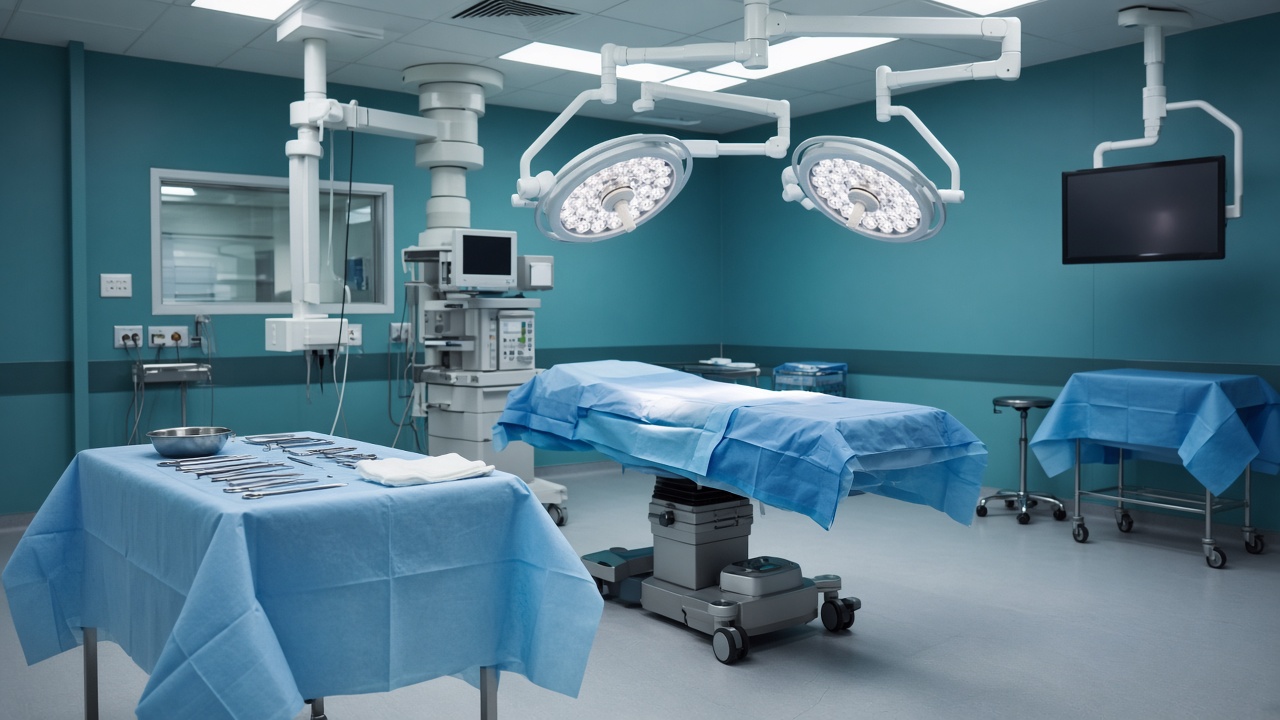
Sunshine Coast University Hospital has completed the region's first endoscopic bilateral mastectomy with immediate implant reconstruction, letting eligible public patients access a minimally invasive option that previously meant travelling to Brisbane for specialist breast surgeons.
Clinical service director for surgical and critical care Dr Emilia Dauway performed the procedure, using an incision of about three centimetres to remove breast tissue and insert implants in one operating session. The hospital said the technique can mean fewer surgeries, less scarring and shorter stays than traditional open mastectomy pathways — outcomes that matter on a coast where patients often face long drives to capital-city centres.
Patient choice in the public system
The first local patient had early-stage cancer in one breast and elected bilateral removal with reconstruction. Dauway emphasised that public hospitals should offer evolving techniques, not reserve them for private clinics. Clinical nurse Amanda Edwards noted that staying near home avoids highway traffic, parking costs and disrupted family routines — practical burdens that do not show up in clinical trials but shape recovery.
Breast cancer care on the Sunshine Coast has expanded over the past decade as the university hospital matured into a hub rather than a feeder for Royal Brisbane. Endoscopic approaches are not appropriate for every tumour biology or body type; surgeons still select candidates based on imaging, oncology input and reconstructive goals. The milestone is an added option, not a blanket protocol.
Wider screening and imaging context
The surgery news lands in the same week national media highlighted cone-beam breast CT scanners approved by the Therapeutic Goods Administration, offering ten-second scans without compression for some women with dense tissue. Brisbane Radiology introduced the technology earlier; Medicare rebates apply for eligible referrals. Together, improved screening and expanded surgical technique illustrate how regional patients can receive capital-city-grade pathways without leaving their health district.
What happens next
Hospital networks will monitor complication rates and patient-reported outcomes against open-surgery benchmarks before widening eligibility. Queensland Health's surgical services plan already routes complex oncology cases through multidisciplinary boards; endoscopic cases will join that audit trail. For entertainment desks covering culture, the story is human scale: a coastal community keeping a patient home while treating a disease that once implied mandatory city exile. For patients awaiting theatre dates, it is one more data point that the Sunshine Coast line on the map is no longer automatically second tier.