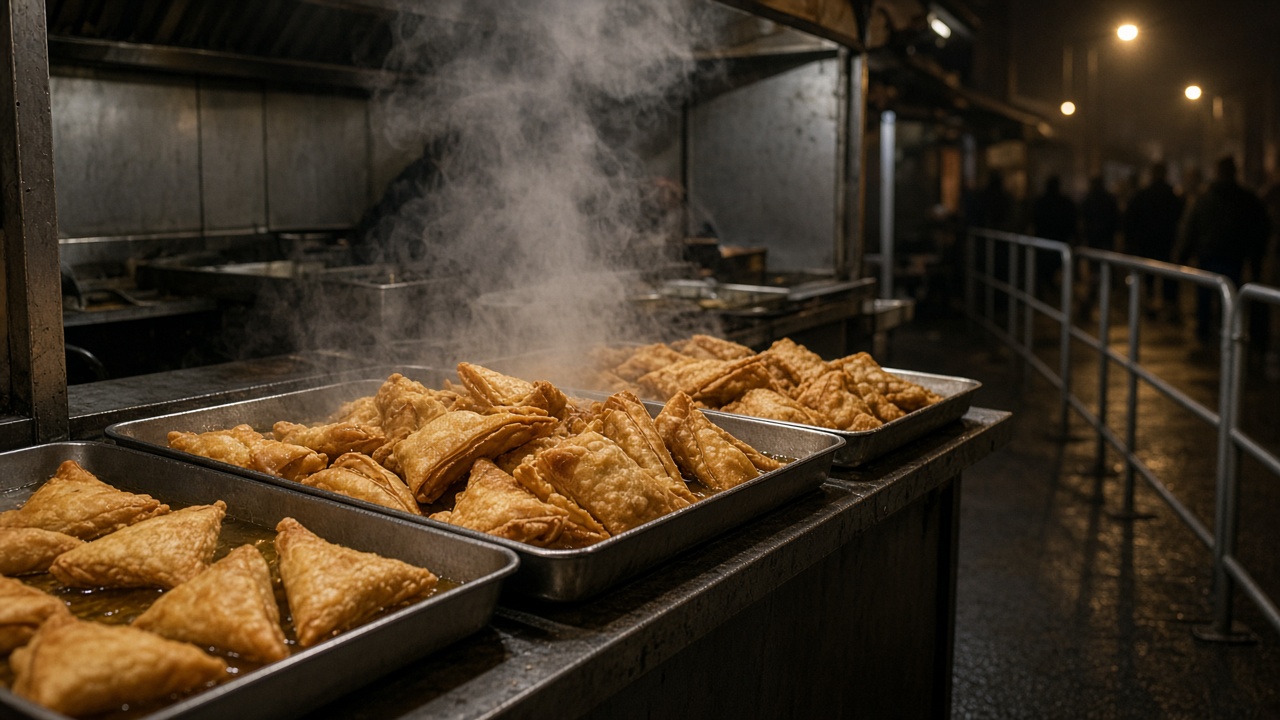
Regulars at Ghim Moh's weekly pasar malam lined up one last time for Teochew meat puffs whose recipe travelled unchanged through four decades of rent hikes, hygiene grade upgrades and post-pandemic crowd swings.
The stall, known among neighbours for crimped pastry edges and a peppery pork filling, will not return after the operator retires without a family successor willing to shoulder 3am prep and licence renewals. Vendors nearby said the loss trims another veteran name from a circuit that already lost long-running biscuit and puff sellers elsewhere on the island.
What a stall costs now
Pasar malam operators pay bid fees, insurance and NEA inspection schedules that differ from hawker centres but still run into thousands a month once generator fuel and manpower are counted. Younger entrants often choose central kitchens and delivery apps instead of standing over woks in tropical rain.
Food writers distinguish queue hype from reporting: this closure is documented in trade press and customer posts, not a TikTok trend list. The stall's final nights reportedly sold out within two hours, a pattern familiar from Old Airport Road exits.
Neighbourhood stake
Ghim Moh sits between academia and older Housing Board blocks. Students grab late-night snacks; retirees treat pasar malam night as a walking loop. Losing a 40-year vendor narrows choice to churros and bubble tea carts that rotate seasonally.
Some stalls survive by franchising recipes to hawker centre outlets. The Teochew puff operator has not announced such a handoff. For now, the recipe lives in kitchen notebooks unless another baker licenses it.
City life read-through
Singapore's food story is not only Michelin climbs—it is whether heartland routines still have anchors. Parliament debates hawker subsidies; residents vote with queue patience. A forty-year run ends quietly, without a corporate press release, but the empty bay will be obvious next Thursday when regulars walk past and keep going.
What regulars can do
Some customers asked whether a recipe book or crowdfunding could keep the stall alive under a new brand. Without a confirmed successor, the honest answer is to document favourites now—photos, queue times, filling notes—before muscle memory fades. Heritage preservation groups occasionally pair retiring hawkers with apprentices, but matching takes months.
Neighbours said they will shift Thursday night walks to the cooked-food centre for awhile, then see which itinerant vendors fill the gap. That small adjustment is how city food culture actually evolves: one fewer puff, one more bubble tea cart, unless someone steps in.