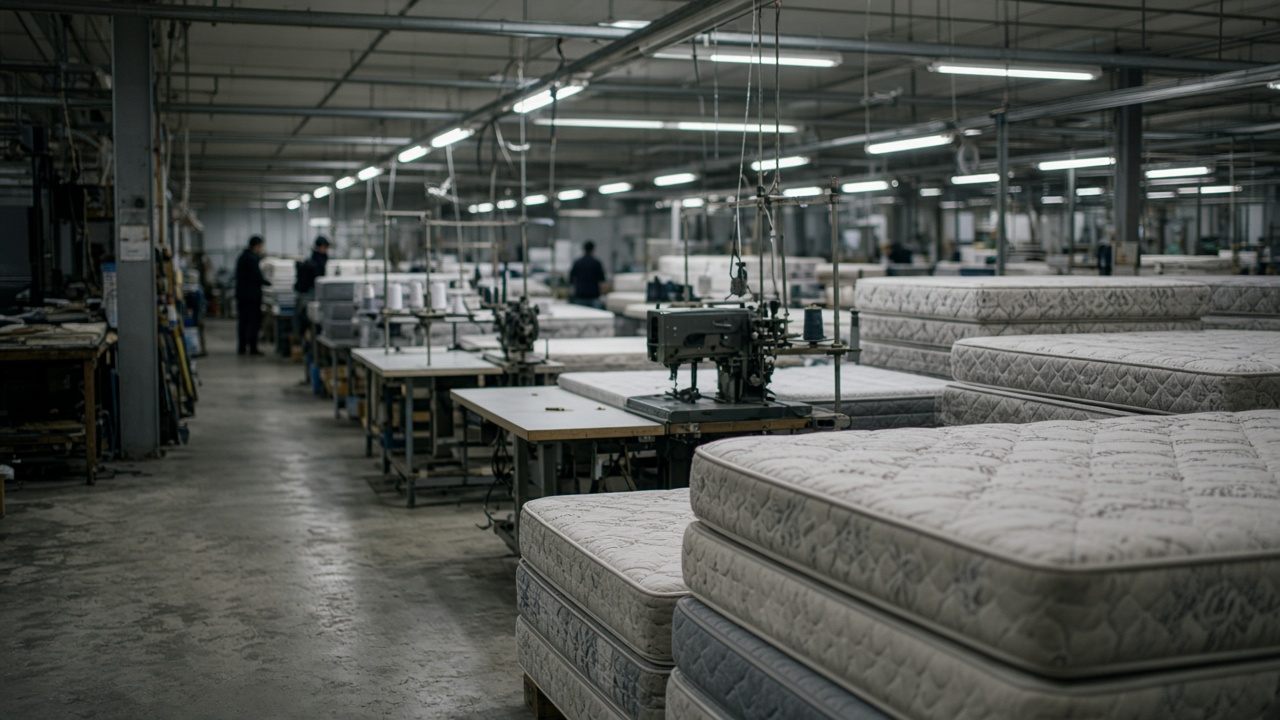
Softide Investment has recapitalised A.H. Beard, pulling Australia's oldest mattress manufacturer out of voluntary administration and keeping roughly 200 factory and warehouse jobs spread across four states.
The deal, announced on Sunday, ends eight months of uncertainty after the fifth-generation sleep brand entered administration in April with more than $13 million owing to creditors and staff. Softide, a unit of Shanghai-listed Keeson Technology, injects fresh equity and helps repay secured and unsecured creditors while Matthew Beard stays on as chief executive under a new ownership structure.
What creditors were facing
When administrators from P.A. Lucas were appointed, chairman Garry Beard told creditors the company carried about $10.2 million in trade debt and almost $2.9 million in employee entitlements. Major exposures included Hong Kong exporter Lexington Trading International and foam supplier Joyce Foam. Hotels, mining camps and national retailers still owed roughly $7 million for fulfilled orders, a cash-flow squeeze that collided with three consecutive annual losses and cheaper imported bedding.
Retail partners including Harvey Norman and Forty Winks stores were among the trade creditors waiting on payment. Australian Made chief executive Ben Lazzaro had called the collapse a warning sign for local factories battling rising energy, labour and freight costs. The recapitalisation does not erase those structural pressures, but it does remove the immediate risk that Beard's Australian plants would shutter.
Why a Chinese investor stepped in
Keeson is not new to the category. The Jiaxing-based group already owns adjustable-base brands Ergomotion and South Bay International, giving it distribution networks that complement Beard's domestic manufacturing footprint. Furniture Today reported the transaction at more than $8 million, enough for a material creditor return and working capital rather than a fire-sale asset strip.
Chief executive Matthew Beard framed the outcome as continuity, not a brand demolition. Beard family members remain involved, and the company has pledged to keep investing in Australian-made ranges sold through Harvey Norman, Domayne and independent specialists. Harvey Norman chief Katie Page publicly welcomed the rescue, as did Lazzaro, who had spent months urging customers to keep buying Australian-made product while the administrator ran a sale process.
What changes on the factory floor
Administrators credited an internal turnaround plan with stabilising production during the sale window. Under Softide, the stated priorities are operational stability, sustainable materials and sleep-tech R&D — the same talking points Beard used before administration, now backed by offshore balance-sheet capacity. Employees in New South Wales, Victoria, Queensland and Western Australia are expected to keep rostered shifts while integration teams map sourcing and IT systems.
For policymakers watching manufacturing employment, the transaction is a single-company reprieve, not a sector-wide recovery. Imports still dominate price-sensitive segments, and the RBA's November forecasts show household consumption growing slowly as mortgage rates sit at 4.85 per cent. Still, retaining a 127-year-old cut-and-sew network matters symbolically in a year when other fibre processors have closed or moved offshore.
What to watch next
Creditors will receive formal distributions through the administration exit, and the Australian Competition and Consumer Commission may scrutinise any related-party supply contracts with Keeson entities. Retailers will watch whether Beard can rebuild margins without another round of promotional discounting. For shoppers, shelves should stay stocked with Australian-made mattresses that carry the familiar blue-and-white branding — provided the merged entity honours the manufacturing commitments made this week.