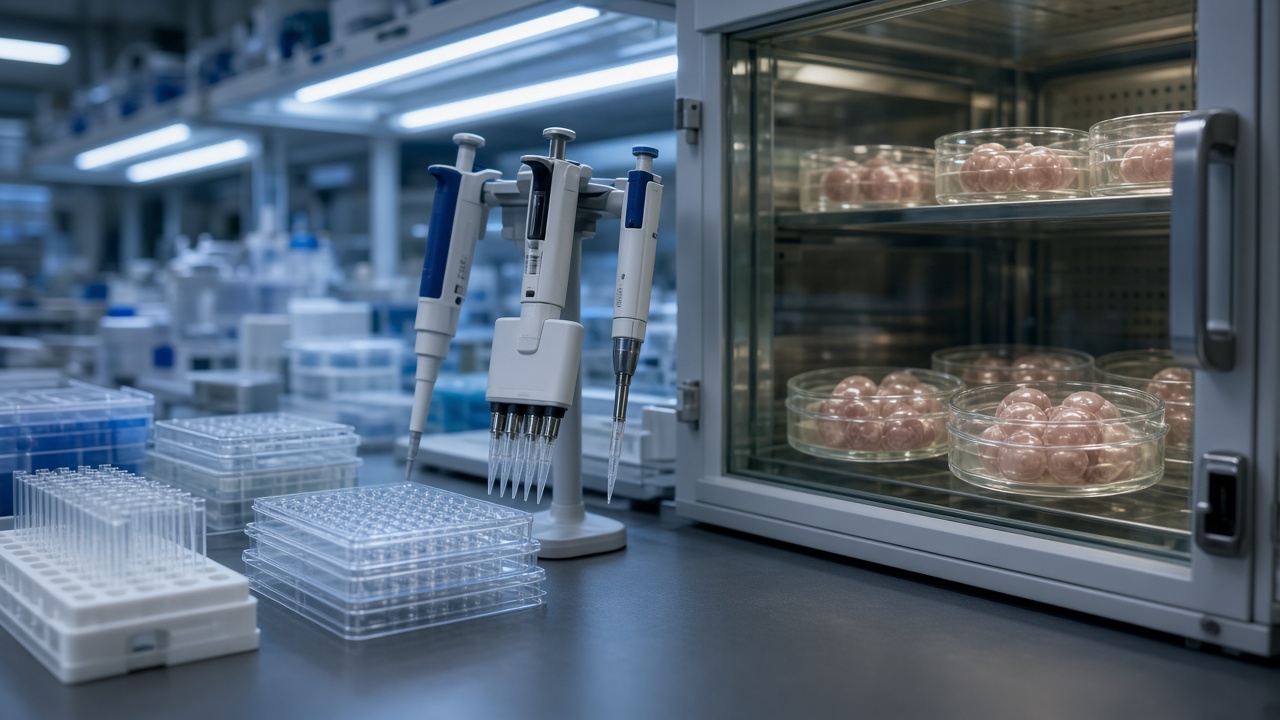
Canberra's new brain cancer biobank is turning operating-theatre tissue into miniature tumour organoids so researchers can screen therapies against each patient's biology before committing to harsh chemotherapy regimens.
Australian National University scientists, working with Canberra Hospital surgeons, collect specimens during treatment and convert them into three-dimensional "mini brains" that retain the mixed cell signalling seen in aggressive gliomas. Professor Quinn's team built the program because commercial cell lines failed to reproduce the microenvironment that determines whether a targeted agent crosses the blood-brain barrier.
Why organoids matter
Brain tumours kill more children and adults under 40 in Australia than almost any other cancer, yet drug pipelines are thin. Standard care combines surgery, radiation and temozolomide, with limited options when tumours recur. Personalised models let labs test combinations on the actual mutations driving a patient's disease, potentially sparing futile rounds that carry neurological side effects.
Lead technician Rylee Mitchell's group processed 95 samples over several years to isolate six organoid lines with the rare genotype their current trial targets — roughly 20 per cent of patients carry that marker, and half of those match the subtype under study. The hit rate underscores how long biobanking timelines are, but each successful line becomes a reusable asset for national collaborators.
From bench to bedside
Surgeons consent patients during pre-op consultations, emphasising that donation does not change immediate treatment but may inform future protocols. Ethicists review storage because genetic data derived from tumour cells can re-identify families. Once organoids grow, researchers expose them to candidate drugs, measuring whether signalling pathways shut down without killing healthy neural tissue in parallel controls.
Positive hits still face Therapeutic Goods Administration hurdles, but oncologists can use results to prioritise compassionate-access applications. The model mirrors programs at Victor Chang and WEHI, though Canberra's focus on hard-to-treat glioma subsets differentiates it.
Funding and scale
The biobank relies on federal Medical Research Future Fund grants and ACT Health infrastructure. Expansion plans hinge on recruiting more regional hospitals so diversity improves and attrition drops. Mitchell notes that staff turnover during COVID delayed processing; stabilised rosters now keep turnaround under eight weeks for viable tissue.
For patients awaiting pathology, the near-term benefit is indirect: trials informed by organoids may open locally without travelling to Sydney or Melbourne. If the six current lines yield a drug pairing that reaches phase-two testing, Canberra could advertise a therapeutic niche in neuro-oncology — rare for a city whose health system usually exports complex cases outward.