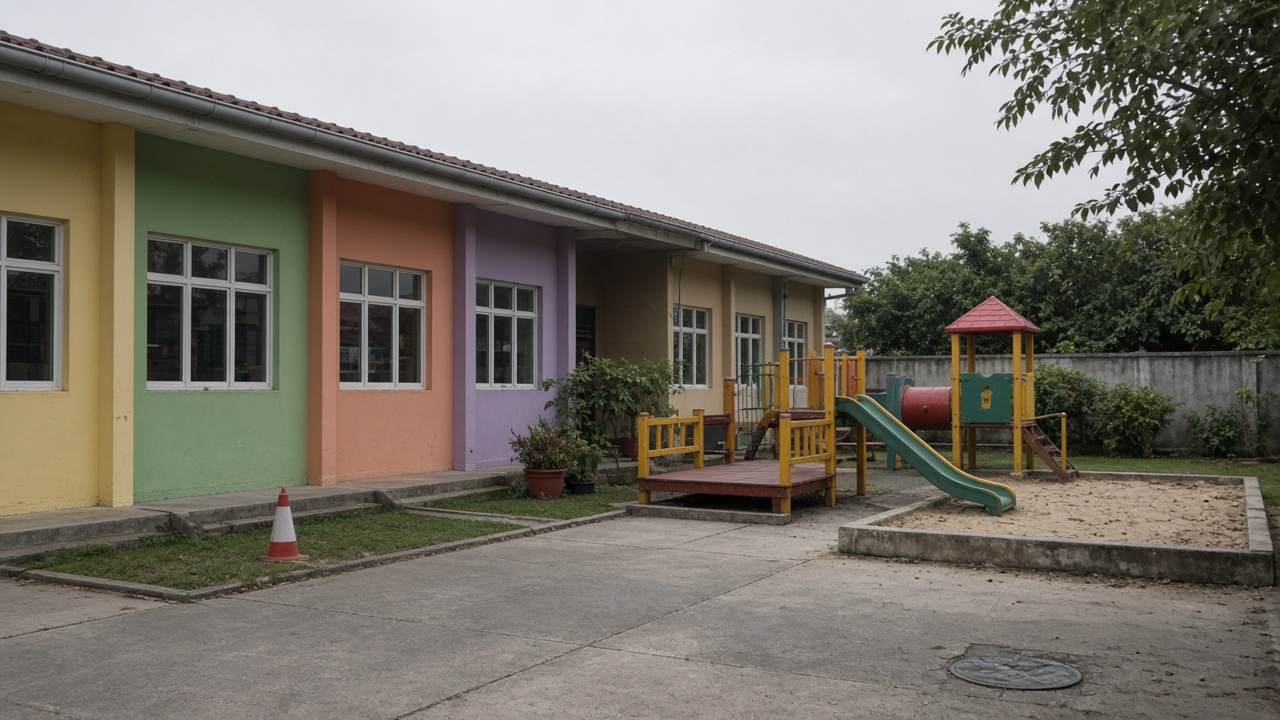
Senior Minister of State for Social and Family Development Goh Pei Ming told The Straits Times that criteria for a new government grant will be relaxed so smaller pre-school operators, not only large chains, can join Singapore's partner-operator fee-cap network before details land by year-end.
The comments, published as Goh marked his first 18 months in office, address a structural gap in the Partner Operator (POP) scheme. Today, a centre typically needs to sit under an operator of a certain scale to enter the POP network, which caps fees and sets quality benchmarks. Goh said scale is one threshold the Ministry of Social and Family Development (MSF) will ease so neighbourhood centres with strong parent followings are not locked out.
What the POP network already covers
From 1 January 2026, Singapore's refreshed POP cohort runs 380 centres across 33 operators on a five-year term through 2030. Those centres must meet Early Childhood Development Agency (ECDA) standards while keeping fees within government bands. Under the Quality Preschools 2030 roadmap, MSF aims to cut full-day childcare to $150 a month and infant care to $300 at government-supported sites.
Goh first sketched a transformation grant in August 2026 to help operators that missed earlier POP application windows. He now ties that mechanism to smaller players, saying MSF wants passionate single-site operators to compete on quality rather than corporate balance sheets alone.
Private operators and the fee floor
Not every centre will join the network. Independent pre-schools that charge market rates worry that a $150 benchmark will pull families toward subsidised seats. Goh argued that broader competition within ECDA guardrails still benefits children, and that the international advisory committee he chairs—formed in September 2026 with five overseas experts—will import training and play-based learning ideas without delaying local fee moves.
The committee sits alongside ECDA reviews of educator workloads and mother-tongue teaching load. Goh linked affordable, nearby pre-schools to Singapore's 0.87 total fertility rate, saying cost certainty could give couples margin to start or enlarge families.
Haze season as a test case
Separately, Goh has been the face of ECDA haze rules in Parliament. On 3 November he confirmed pre-schools must run dedicated air purifiers in teaching zones and track hourly PM2.5 even when air-conditioning is installed, with unannounced inspections to enforce floor-space minimums during enclosure. That operational detail matters to parents weighing whether a smaller grant-eligible centre can afford compliance kits.
What comes next
MSF has promised grant parameters before the end of 2026. Operators watching the POP renewal cycle will look for dollar figures, audit requirements, and how quickly a accepted centre can adopt fee caps. For households, the policy question is simpler: whether the expanded network actually adds slots within walking distance of HDB blocks, or merely reshuffles which private brands wear a subsidised badge.
Goh's signal is that scale alone should no longer be the gatekeeper. Implementation will show whether Singapore's fee-cut promise reaches the corner pre-school parents already trust.