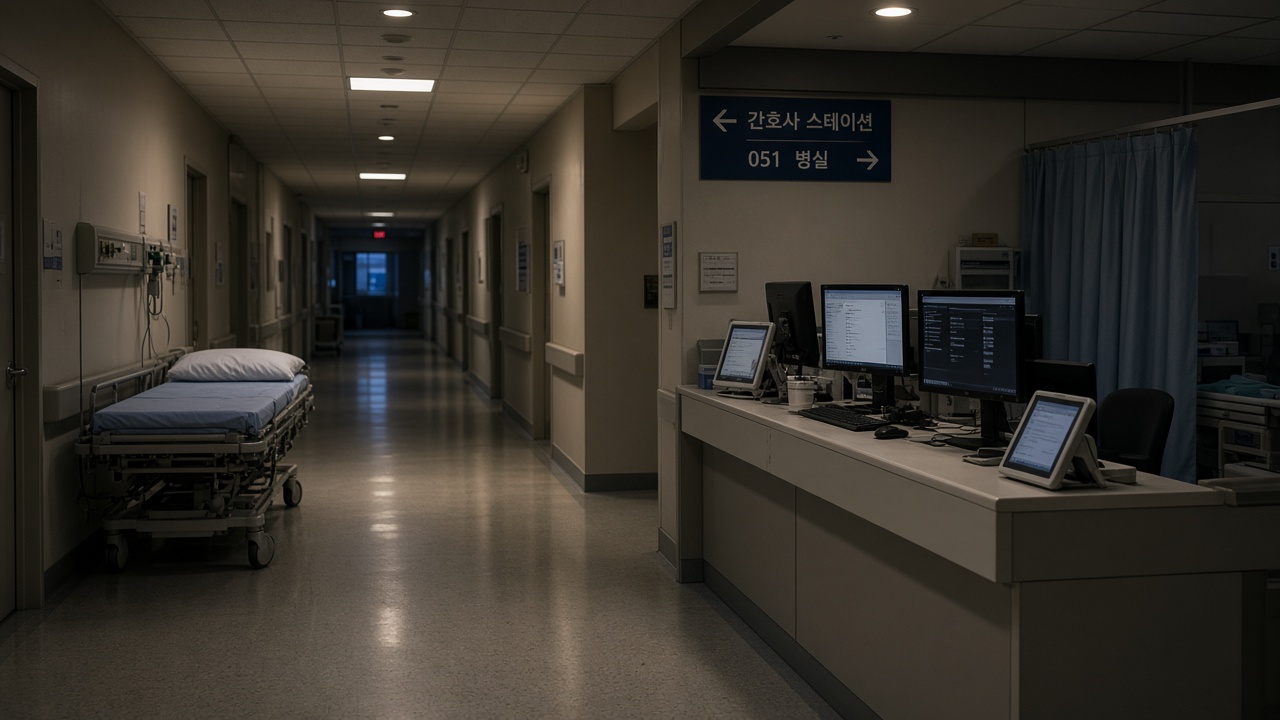
Sentinel hospitals reported a steeper rise in influenza admissions than outpatient fever clinics expected, according to Korea Disease Control and Prevention Agency monitoring updated ahead of week 46 surveillance publication.
Inpatient tallies from hospital-grade and tertiary centers showed consecutive weekly increases through early November, while clinic influenza-like illness rates were already elevated among school-age children. Pulmonary specialists said the gap matters because admission curves lag ILI by one to two weeks—hinting at more ward pressure through late November.
Who is arriving
Clinicians described a mix of unvaccinated seniors, children with underlying asthma, and working-age adults who delayed care until hypoxia appeared. Co-infections with rhinovirus and respiratory syncytial virus still appear in pediatric charts, complicating bedside diagnoses.
KDCA continues to urge vaccination for high-risk groups despite mismatch concerns with the dominant H3N2 subclade K. Agency briefings note national uptake above prior-season averages for seniors and children, yet hospitals still see severe cases requiring oxygen and antivirals within 48 hours of symptom onset.
Capacity steps
Several university hospitals in the capital region opened overflow respiratory beds and redeployed nurses from elective surgery wards. Emergency physicians asked families to use fever clinics before defaulting to ER triage, citing four-hour waits on peak evenings.
Pharmacies reported intermittent shortages of pediatric antipyretics, a seasonal nuisance amplified by social-media stocking behavior. Officials said central stockpiles of oseltamivir remain adequate, though some community clinics had to reorder capsules twice in one week.
Public messaging
Health authorities repeated hygiene guidance and mask recommendations on crowded transit, stopping short of mandates. They also warned poultry workers and pet owners to avoid wild-bird contact amid overseas avian influenza reports, though no human avian cases have been confirmed domestically.
The near-term indicator to watch is whether admission growth slows after schools' midterm exams and as temperatures drop. Sentinel sites will update counts daily; hospitals already treat the curve as the operational forecast, not a backward-looking report.
Occupational-health teams at large manufacturers reinstated voluntary masking on assembly lines where close spacing returned after year-end production targets. Union leaders asked for paid sick leave reminders so workers do not present with fever, a request labor ministry officials said they would relay without mandating new rules.
Pharmacy chains extended evening hours for pediatric fever reducers at stores near school districts, reducing panic buying that drained shelves in prior weeks.