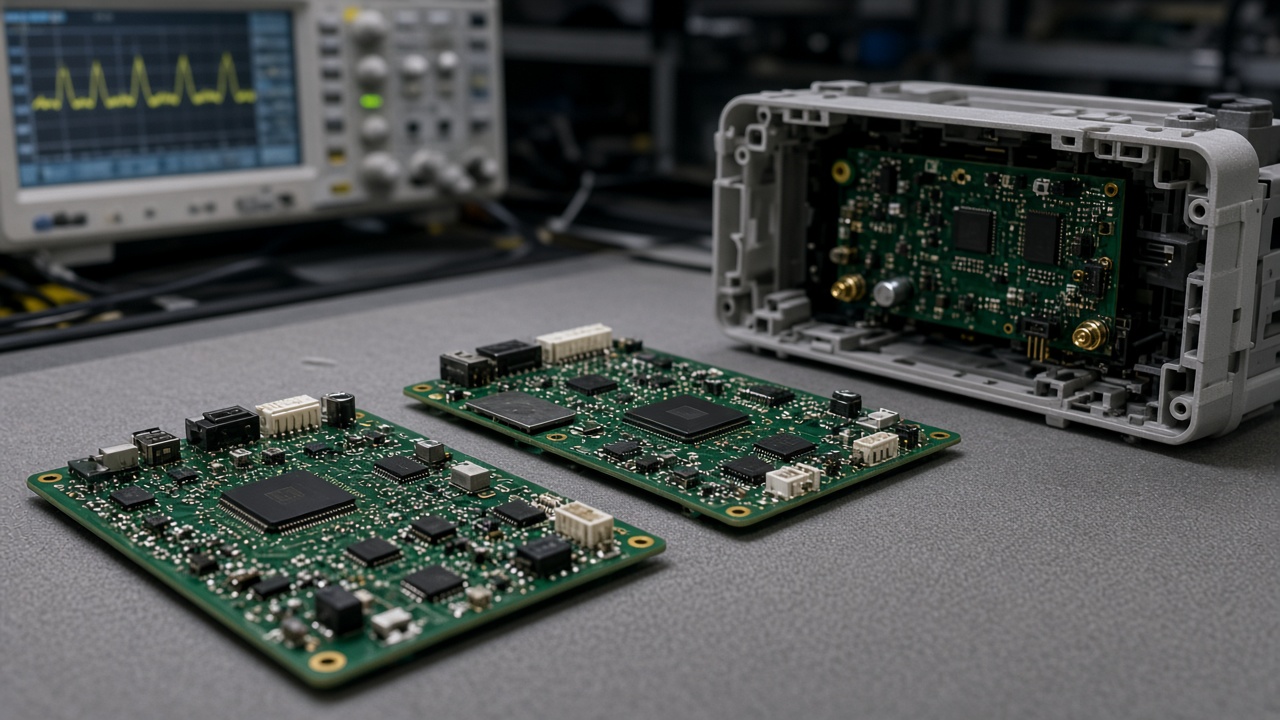
MediaTek began delivering Wi-Fi 8 certification kits to six Taiwanese ODM partners this week, giving brands a narrow window to show multi-gigabit home mesh hardware at January’s CES showcase in Las Vegas.
The Hsinchu-based chip designer said the reference boards pair its Filogic broadband silicon with RF front-end modules tuned for the 6 GHz and upcoming 7 GHz bands. Early firmware supports scheduled wake intervals that MediaTek claims can cut standby power on battery-backed cameras by 30 percent versus Wi-Fi 6E baselines.
What ODM labs are testing
Spokespeople at two ODMs, who asked not to be named because customer announcements are pending, said they are running thermal stress tests on plastic router shells that must dissipate more heat as channel bonding widens. One lab is pairing MediaTek kits with power-over-ethernet backhaul for small-office bundles destined for North American telecom bundles.
Certification paperwork is moving through the Wi-Fi Alliance’s Beijing and Taipei service centers; MediaTek expects the first consumer product logos in the second quarter of 2026 if radio regulatory filings stay on track in the United States and European Union.
Competitive timing
Broadcom and Qualcomm are preparing rival Wi-Fi 8 roadmaps, but MediaTek is leaning on integrations with its smartphone modems to pitch handset makers on seamless handoff to home routers using the same software stack. Executives said three Android phone brands already signed nondisclosure agreements to co-demo phone-to-router transitions on the CES floor.
Analysts cautioned that retail adoption may lag the marketing wave because Internet service providers have yet to upgrade backhaul on many apartment buildings in Taipei and Taichung.
Supply chain on the island
MediaTek sources packaging and test services from ASE Technology Holding and Powertech Technology in Taiwan, keeping most of the Wi-Fi 8 pilot build local even as final routers are branded abroad. The company will host a developer day in Hsinchu on November 18 for firmware engineers tuning quality-of-service rules for cloud gaming traffic.