Retirees across Singapore are treating repair kopitiams and food-rescue runs as second careers without pay, fixing neighbours' appliances and redirecting edible surplus as volunteer groups report rising sign-ups.
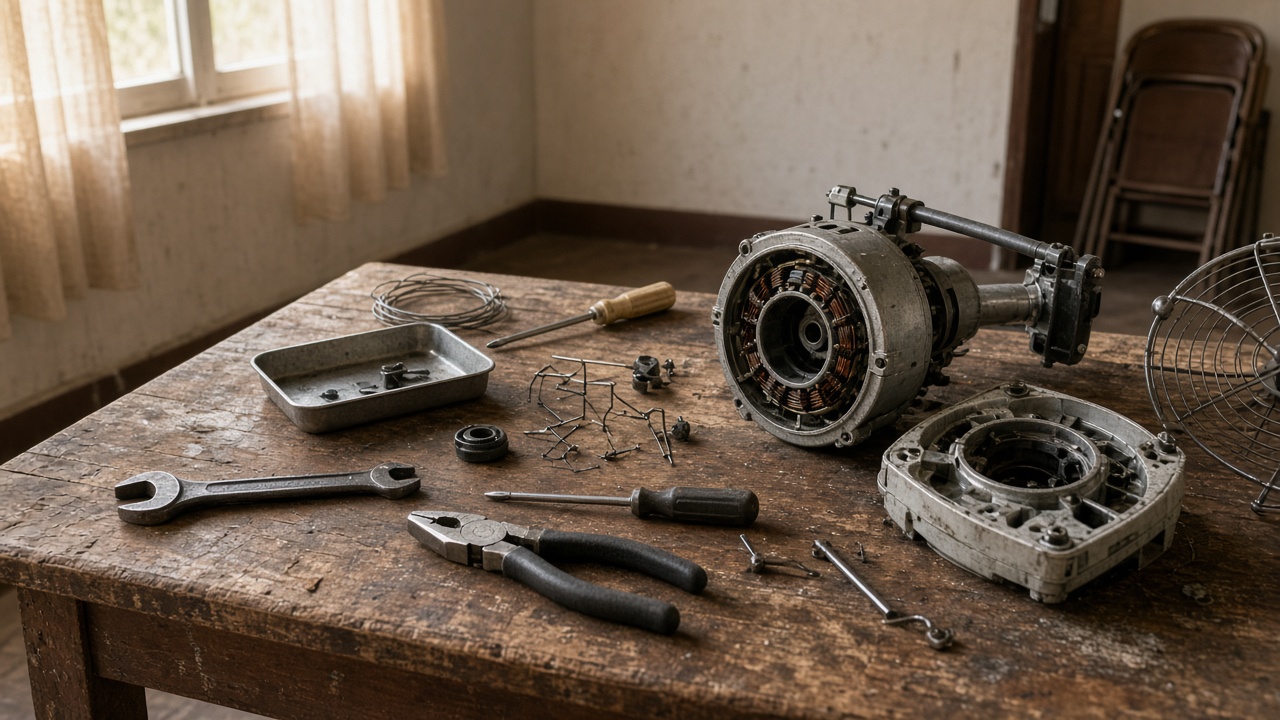
The Straits Times profiled the movement as more than nostalgia: at Repair Kopitiam, coaches want owners to wield screwdrivers alongside mentors rather than drop items for anonymous mending. Director Danny Lim said skills faded as replacement culture grew, yet 2025 sessions still saw 2,300 items brought in, including 552 fans.
Where sessions happen
Repair Kopitiam now runs 10 sites—from Yuhua and Tampines to Choa Chu Kang—with about 300 regular coaches. National Repair Day on the last Sunday of each month opens floors to walk-ins, while a 10-week coach training pipeline feeds new retirees into the roster. The Agency for Integrated Care lists similar handyman and wheelchair-servicing roles for seniors who prefer monthly commits.
Food groups such as The Red Collective expanded from 20 core volunteers to more than 100, moving an estimated 23.6 tonnes of surplus produce monthly. Both models trade Instagram-friendly activism for logistics: cold-chain timing, weighbridge records, and HDB loading-bay etiquette.
Why seniors join
Participants cite purpose after leaving payroll work, plus social contact in an ageing society. Therapeutic repair programmes run in active ageing centres blend motor skills with cognitive tasks, aligning with MOH frailty screening pushes highlighted in recent roundtables.
Younger family members sometimes accompany parents, turning repair day into intergenerational lessons missing from school design-and-technology classes. Lim argues that cultural shift could slow e-waste volumes even if new appliance sales stay strong.
Limits and burnout
Volunteer leaders admit demand exceeds capacity. ST quoted coordinators turning away broken items when coach rosters fill. Funding relies on philanthropy and modest grants, not government salaries, so expansion hinges on corporate sponsorships and CDC vouchers for tools.
Weather and safety rules also cap what volunteers may fix—gas appliances and sealed batteries stay off the bench. Still, the entertainment value for onlookers is real: watching a rice cooker resurrected beats another mall walk for many retirees.
City impact
These circles will not replace municipal recycling contracts, but they change how Singapore talks about retirement—not as withdrawal, but as visible neighbourhood labour. With Biscuit King shutters looming and tuition bills climbing, the volunteer repair scene offers a different household economics lesson: time and skill can substitute for cash when communities organise.