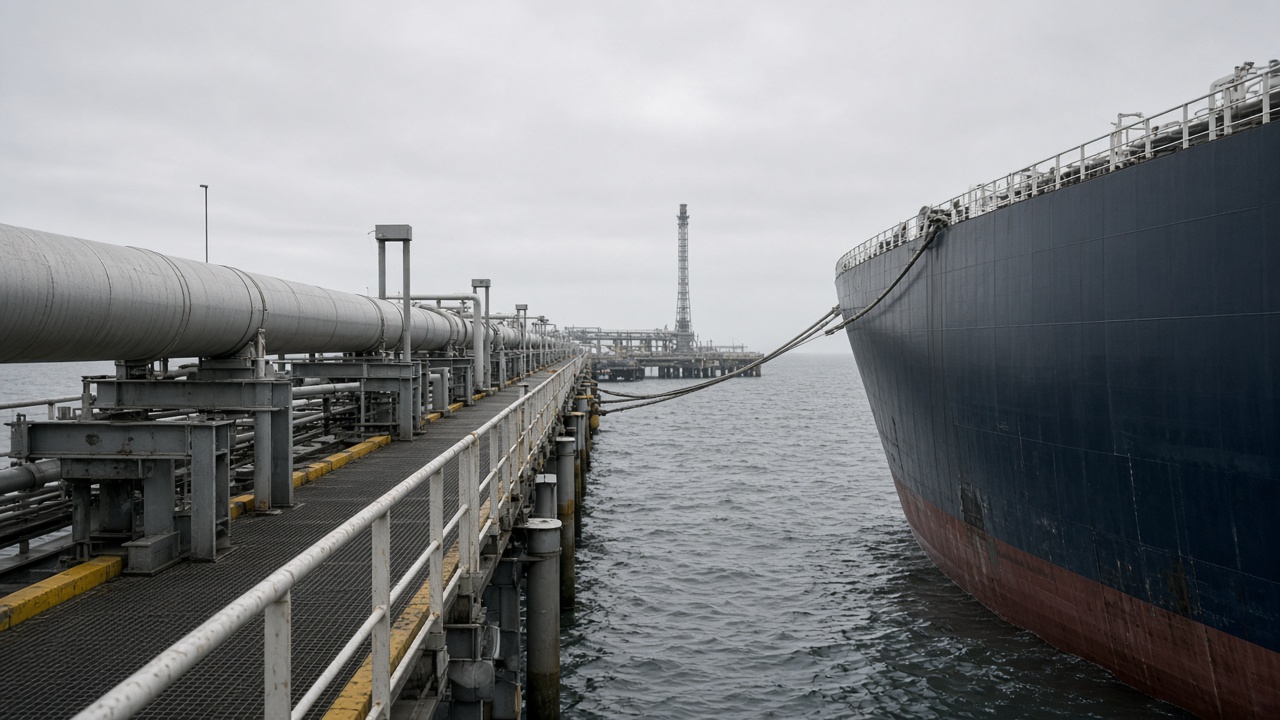
Woodside Energy and Santos finished Monday's session on opposite sides of a crude-price shock, previewing how the S&P/ASX 200's energy sub-index may trade as Brent crude retreats from wartime highs.
Investors are repricing two linked bets at once: the earnings power of east-coast LNG exporters when Asian spot quotes soften, and the margin outlook for Pilbara iron ore when Chinese steel demand wobbles but copper holds firm. Brent settled the New York session down 4.9 per cent, dipping to a ten-week low near $93.59 after US President Donald Trump said further attacks on Iran were "highly unlikely". That headline sent global airlines and cruise operators higher and left Australia's dual-listed producers to untangle the implications for contract rolls due later this quarter.
How Monday treated the majors
On the local market, BHP rose 2.74 per cent, Rio Tinto added 1.55 per cent and Fortescue gained 0.66 per cent as metals prices recovered from the previous week's risk-off move. Woodside edged marginally lower by the close, Santos recorded a small gain and fuel retailer Ampol slipped, reflecting different hedging calendars and retail fuel margins. The pattern mirrored offshore trading, where integrated majors fell less than pure exploration names because refining credits cushioned the crude move.
Energy analysts note that Australian listed producers are not pure plays on spot crude. Woodside's North West Shelf and Pluto trains lock in oil-linked LNG slabs that trail spot moves by weeks, while Santos's Gladstone LNG portfolio carries basis risk into north Asian buyers. A sustained Brent slide nonetheless feeds into analyst sum-of-the-parts models, which is why energy was the only sector besides financials to post a negative day on some brokers' trackers even as the headline index climbed.
Macro cross-currents into Tuesday
Futures pointed to a stronger open on Tuesday, with S&P/ASX 200 contracts up about 84 points following a 2.3 per cent jump in the S&P 500. That lift came despite a 5.6 per cent drop in Nvidia after reports that its board is reviewing chief executive Jensen Huang's ties to an executive US agencies scrutinised for intelligence links. For Australian portfolios, the overnight tone matters because superannuation flows have been rotating toward materials and healthcare as the big banks struggle to convince shareholders that margin compression is temporary.
The Australian dollar strengthened to about 69.13 US cents, a modest tailwind for importers but a slight drag on USD-reported resource earnings. Traders will also watch weekly ABS labour figures due later in the week; the Reserve Bank's November Statement on Monetary Policy forecast unemployment drifting toward 5.1 per cent as rate hikes bite.
Portfolio positioning
Fund managers who overweighted energy in the first half of 2026 on Middle East supply fears are now trimming into strength in miners, according to trading desk chatter. Healthcare and consumer staples — traditional inflation hedges — have lagged as investors chase dividend yields from the iron ore trio. Brent below $94 removes one leg of that trade, pushing duration-sensitive investors back toward the banks once credit growth data stabilises.
For self-directed investors, the actionable distinction is between beta to global oil and beta to Chinese construction. Until Beijing signals fresh stimulus for property, diversified miners may continue to outperform single-commodity energy names even if crude steadies. Woodside and Santos will update hedge books on their next quarterly calls; until then, share prices will largely track nightly moves in Brent and Singapore jet fuel quotes.