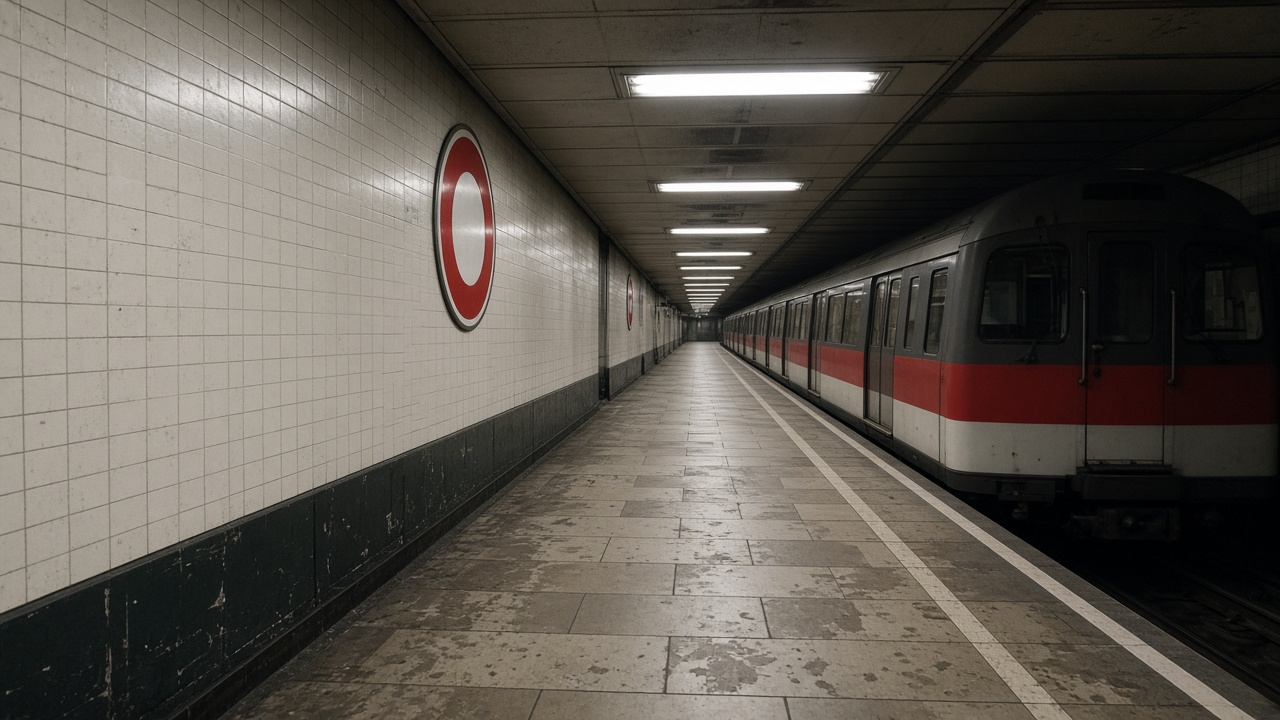
London Underground managers and the Rail, Maritime and Transport union are scheduled to meet at Acas on Tuesday in a final attempt to halt a wave of driver strikes that would begin with a 24-hour walkout at noon on Thursday. The RMT opposes Transport for London’s proposal to move drivers onto a four-day working pattern that TfL insists would be voluntary and fatigue-reducing.
Unless conciliation produces a settlement, RMT members have authorised additional stoppages on 17 and 19 December, 4 and 6 January, and seven dates across February. The dispute has split the two main Tube unions: Aslef has backed TfL’s framework while the RMT argues the package would erode long-standing shift protections.
What TfL is proposing
TfL says drivers could choose a four-day week that cuts total hours or remain on five days at their existing depot. Nick Dent, director of customer operations, told the BBC that negotiations had already produced changes to the original plan and that the offer gives workers a “real, meaningful choice” without forcing depot moves.
TfL frames the shift as a fatigue-management measure aligned with other European metros experimenting with compressed schedules. The authority maintains that anyone who prefers a conventional five-day roster can keep it. Mayor Sadiq Khan’s transport agency has not published full line-by-line contingency figures for Thursday, but past RMT strikes have thinned peak services and pushed commuters onto buses and rail replacement routes.
Why the RMT is striking
General secretary Eddie Dempsey said TfL is “dressing up a wholesale attack on drivers’ working conditions as a voluntary four-day week.” He told members the plan would require longer, less predictable shifts and the surrender of agreements “negotiated and defended over many years.”
RMT ballots returned mandates for the rolling calendar of strikes now on the table. The union’s rhetoric centres on roster autonomy: drivers fear that once a four-day template exists, depots will pressure holdouts to adopt it or lose preferred routes. Dempsey said there was “nothing voluntary” about a system that still ties pay and progression to accepting new shift bands.
Commuters and the Tuesday deadline
Acas talks on Tuesday are the last structured chance to avert Thursday’s action. London businesses tracking office-return patterns already factor periodic Tube disruption into hybrid schedules; another winter strike season would compound pressure on retail and hospitality workers who cannot remote-work.
Aslef’s acceptance of the broad framework leaves the RMT isolated on the four-day dispute, but both unions still hold sway over separate pay and pension files. TfL will need clear messaging if Thursday’s strike proceeds—especially for Night Tube lines and accessibility-dependent riders. Transport officials said they would update service maps once the Acas session ends, whether or not a deal materialises.