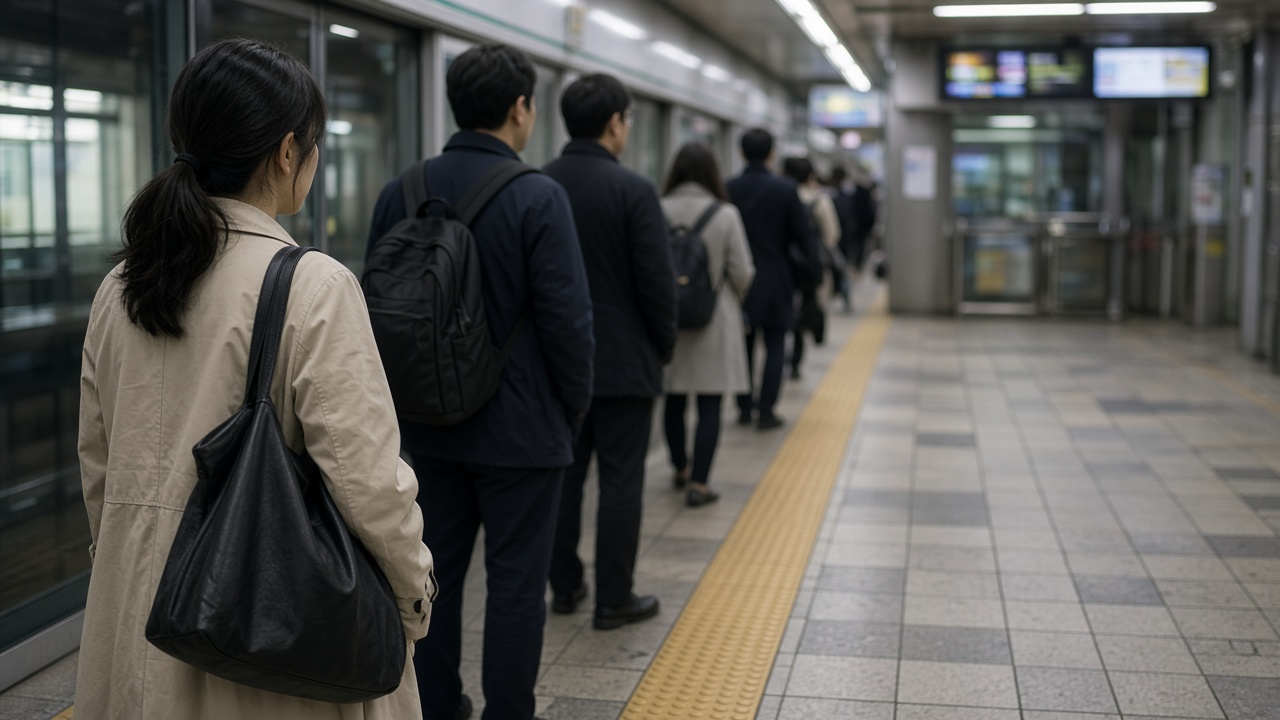
Seoul Metro’s three labour unions said they will launch an indefinite general strike on Tuesday, 25 November, after months of wage and staffing talks stalled, raising the prospect of sharply reduced train frequency across the capital’s busiest subway network. The corporation confirmed it will meet each union separately on Monday for what both sides are calling a final bargaining round.
Union No. 1, which represents a majority of workers on Lines 1 through 8, said 6,715 of 7,782 participating members voted to authorize stoppages this month, or 86.3 percent of ballots returned. Sister unions approved similar mandates, clearing procedural hurdles that allow a legal strike under Korea’s labour relations law.
Demands and the city’s counteroffer
Workers are pressing for a 3.5 percent wage increase, withdrawal of a plan to cut 2,212 authorised posts between 2021 and 2026, and the immediate hiring of 1,313 replacements to cover vacancies. They also want national funding for essential public transit and a mandatory two-person rule at trackside work sites.
Seoul Metro argues the municipal government, not the company alone, holds hiring authority. The city has trimmed headcount by 684 since 2021, citing budget pressure, while unions say 311 frontline posts remain unfilled and another 443 workers are on extended leave, straining overtime and inspection duties.
What riders should expect
As of Sunday afternoon, trains were operating on normal schedules, though Union No. 1 reported a seventeen-minute delay on Line 2 tied to safety checks under the work-to-rule posture. If Tuesday’s strike proceeds, only skeleton crews would keep minimum service, making rush-hour crowding likely on Lines 2 and 4, which carry the bulk of Seoul’s commuters.
Seoul Metro said it activated an emergency response centre and will adjust headways in real time if a strike begins. Past disputes on the capital’s subway have been settled hours before walkouts, but mediation through the Seoul Regional Labour Relations Commission failed twice in October after three formal bargaining sessions broke down in September.
Political stakes for city hall
The dispute lands just days after national exam season dominated headlines over AI cheating probes, a separate crisis that forced the education minister’s resignation. Mayor Oh Se-hoon’s office has not publicly committed to additional hiring, and national lawmakers from both major parties urged calm Sunday, noting that small businesses rely on predictable commuting patterns ahead of the year-end shopping season.
Monday’s triplicate negotiations—scheduled at 10:00, 11:00, and 13:30 with each union—will test whether the city is willing to fund a partial hiring tranche in exchange for suspending the strike notice. Without movement on staffing numbers, union negotiators said they will walk at the first Tuesday shift change.