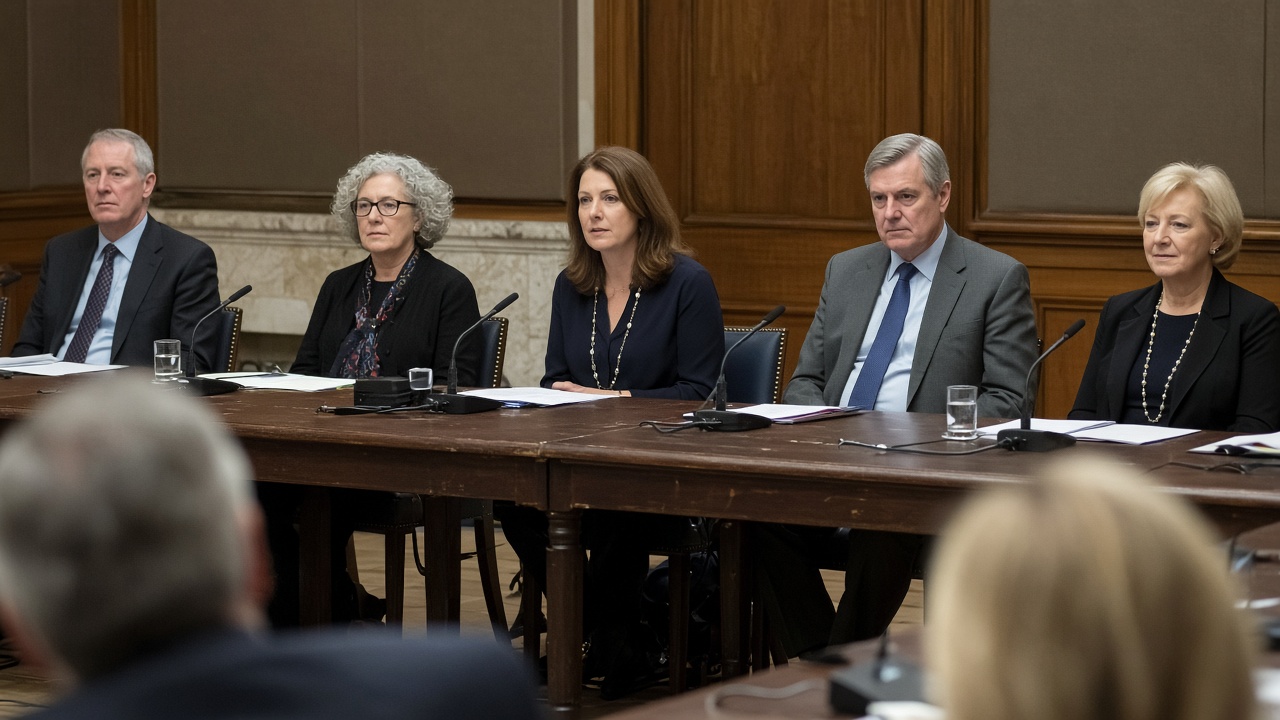
Members of Parliament spent Monday afternoon pressing senior BBC figures on how a Panorama programme stitched together clips from Donald Trump's 6 January 2021 speech, whether viewers were misled, and who inside the corporation knew about a leaked adviser memo before the director general and BBC News chief executive resigned.
The Culture, Media and Sport committee hearing followed U.S. legal threats against the BBC and weeks of internal fallout after Michael Prescott, a former adviser to the board, circulated a note arguing that the edit created a misleading impression of Trump urging supporters to march on the Capitol with weapons. Trump has disputed the portrayal; BBC management previously apologised for the edit while defending broader editorial standards.
What MPs asked the board to explain
Chair Samir Shah told MPs that governance reviews begun in June would examine the powers of the Editorial Guidelines and Standards Committee and whether escalation routes still work when high-profile complaints arrive from politicians on both sides of the Atlantic. He said the board was also revisiting how complaints about news programmes reach directors without waiting for social-media storms.
Prescott, appearing separately, walked committee members through his memo line by line and rejected suggestions that he was campaigning against the corporation. He said he raised the Panorama concern through internal channels and argued that archive producers should have flagged the juxtaposition of two speech segments filmed hours apart. Conservative and Labour MPs alternated between defending the BBC's independence and demanding names of executives who signed off the final cut.
Resignations and the search for a new leader
Shah confirmed the board is conducting a formal process to replace Director General Tim Davie and BBC News CEO Deborah Turness, who stepped down after the memo became public. He pushed back on claims that trustees were blind-sided, saying certain personnel moves required board approval but that day-to-day editorial calls remained with news leadership until those exits.
Committee chair John Whittingdale asked whether the BBC could still negotiate impartiality agreements with Ofcom and the government if politicians believe the Trump edit proves systemic bias. Shah replied that the corporation's funding settlement and charter renewal timelines leave little room for prolonged leadership gaps, and he urged MPs to wait for an internal review led by Peter Johnson, director of editorial complaints, who will revisit each item in Prescott's memo.
Why the hearing lands now
The session played out as the BBC board also faces questions over governance after chair Samir Banerji's departure from a related oversight body, a personnel thread Shah addressed briefly before returning to Panorama. For broadcasters elsewhere in Europe and North America, the hearing is a live case study in how streaming-era clip packaging can trigger regulatory scrutiny faster than traditional linear bulletins.
No committee vote followed Monday's testimony, but Whittingdale said MPs may recall witnesses once Johnson's review concludes. The BBC said it would publish any remedial actions tied to Panorama and would cooperate with Ofcom if the regulator opens a parallel assessment. Until then, producers working on archive-heavy documentaries face renewed clearance questions about juxtaposition, labelling and the fine print viewers see when politicians' speeches are condensed for prime-time slots.