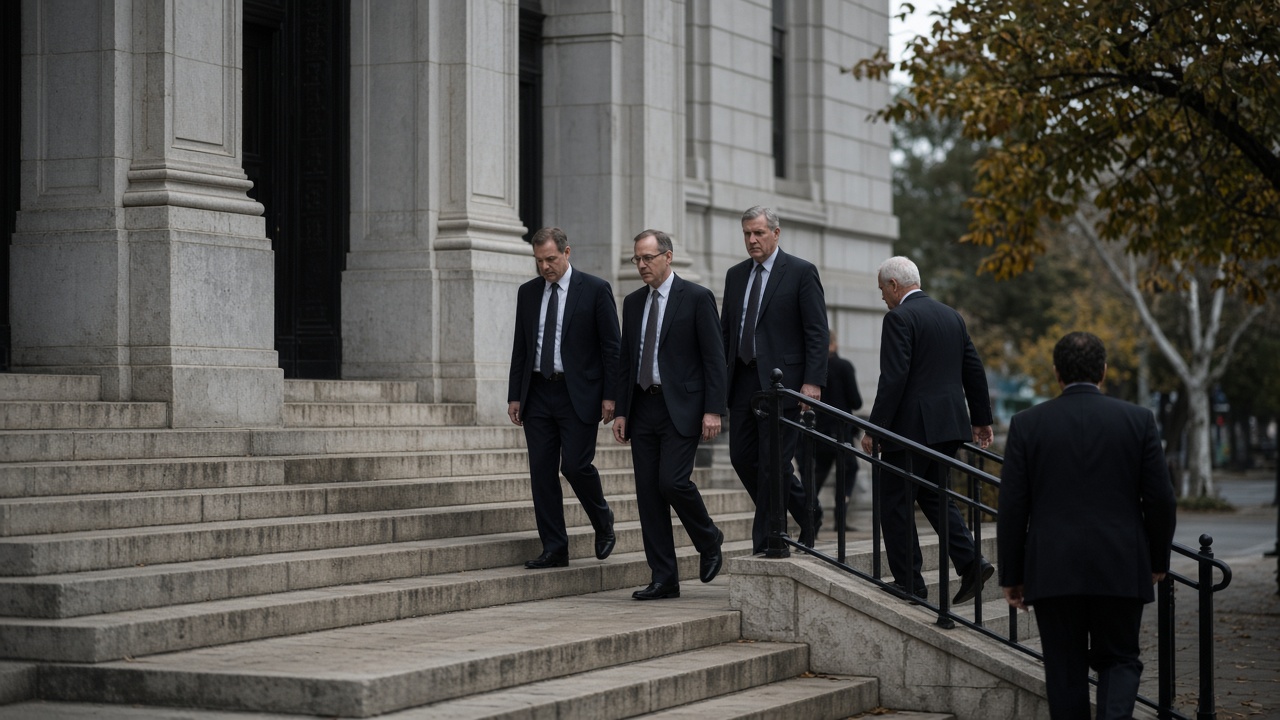
Federal district judge Cameron McGowan Currie dismissed criminal indictments against former FBI director James Comey and New York Attorney General Letitia James on Monday, ruling that the Justice Department official who brought the cases was serving illegally as interim U.S. attorney for the Eastern District of Virginia.
The twin decisions strike at the heart of a politically charged prosecutorial push against two of President Donald Trump's longstanding legal antagonists. Currie's 40-page opinion in Comey's case traces how former White House aide Lindsey Halligan secured a two-count indictment on September 25 after Attorney General Pam Bondi installed her as interim U.S. attorney just days earlier, even though a statutory clock on such appointments had already expired.
What the court found about Halligan's appointment
Congress limits how long an attorney general may keep a hand-picked interim U.S. attorney in office without Senate confirmation. Under 28 U.S.C. § 546, the government argued Halligan could serve indefinitely once a prior nominee withdrew, but Currie sided with Comey's constitutional challenge.
The judge wrote that the 120-day window for attorney-general appointments began when a prior interim prosecutor took office on January 21, 2025, and ended on May 21. After that date, only the district court—not the attorney general—could name a replacement until the Senate acted. Halligan's September installation therefore violated both the statute and the Constitution's Appointments Clause, Currie concluded, because she had no lawful power to sign or present Comey's indictment.
Halligan was the sole prosecutor who appeared before the grand jury in Alexandria, and her signature is the only one on the charging document. Comey was accused of making false statements and obstructing a congressional proceeding tied to his 2020 Senate Judiciary Committee testimony about the FBI's Russia investigation. James faced separate charges in another district over alleged false statements to a financial institution in connection with her purchase of a home in Virginia.
Dismissals without prejudice, and what prosecutors say next
Currie dismissed both indictments without prejudice, meaning the department could attempt to recharge the cases if it finds a properly appointed prosecutor. Bondi told reporters afterward that the government would pursue "all available legal action," including an immediate appeal, to hold Comey and James accountable.
Comey's lawyers have signaled they will argue he cannot be re-indicted because the statute of limitations on the charged conduct expired on September 30. James's team has pressed parallel appointments-clause arguments in her case. Neither defendant was required to enter a plea before the rulings landed.
Why the appointments fight matters beyond these defendants
The outcome does not decide whether Comey or James misled investigators; it removes the cases on procedural grounds that cut across both prosecutions. Legal scholars have warned that stretching § 546 would let the executive branch keep acting U.S. attorneys in place for years without Senate scrutiny, effectively bypassing the confirmation process the Framers paired with inferior officers who wield criminal charging power.
For the Justice Department, the immediate question is whether an appeals court will stay the dismissals or whether new indictments could be returned in a jurisdiction with a valid interim appointment. For Trump, who campaigned on prosecuting Comey and James, the setback lands days after courts in other circuits scrutinized fast-track prosecutions of former officials.
Comey, ousted as FBI director in 2017, called the ruling a vindication of the rule of law. James, who pursued civil fraud litigation against Trump's business interests, said prosecutors had targeted her for doing her job. Both cases now pivot from courtroom substance to the narrower but consequential fight over who may wield the federal indictment power in Virginia.