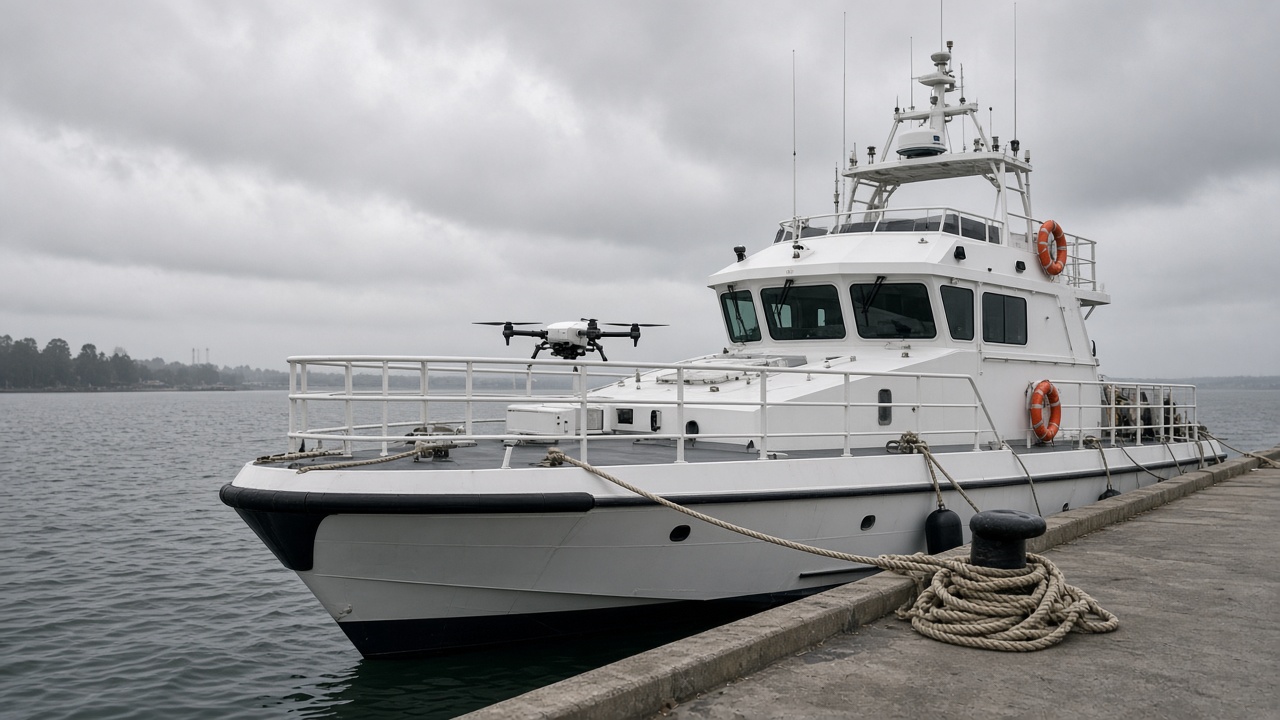
Japan Coast Guard officials will expand artificial-intelligence trials that read drone footage for mariners in distress and experiment with generative assistants that draft patrol logs, according to fiscal 2026 budget documents that cite record Chinese activity near the Senkaku Islands and a staffing gap of more than 600 officers.
The agency already flies five MQ-9B Sea Guardian unmanned aircraft from Kitakyushu and plans to double the fleet by 2030. New budget lines add research on "surveillance support AI" that flags possible castaways from infrared and electro-optical feeds, reducing the video review burden on watch supervisors during long sorties over the East China Sea.
Generative tools behind the firewall
Separate line items cover a coast-guard-specific generative model to help officers summarize boarding reports and translate radio chatter drafts. Procurement rules require air-gapped testing before any large language model touches classified incident data, mirroring Digital Agency guidance for other ministries.
Maritime Daily reporting on the 297.1 billion yen coast-guard budget — an all-time high — ties the software spending to human-resources strain: self-initiated resignations reached 389 in fiscal 2024, widening the gap between authorized strength and filled posts to more than 600. AI is pitched as a force multiplier, not a replacement for armed boarding teams.
Operational context near Senkaku
Japan logged 357 contiguous-zone presence days by Chinese coast guard ships in 2025, with 27 territorial incursions and helicopter flights inside claimed waters. Extra-large patrol hulls now under construction in Yokohama and Shimonoseki will carry more sensors, but analysts say software must filter feeds faster than crews can verbally narrate them.
Civil liberties groups warn that distress-detection models need human confirmation before rescue assets divert, lest false positives pull helicopters away from medical evacuations. Coast Guard leadership has promised to publish accuracy metrics after the fiscal year, a transparency step other agencies skipped when deploying facial recognition at ports.
What changes for coastal readers
Recreational sailors may see faster Mayday responses if AI triage shortens call-center hold times. Fishers operating near Okinawa should expect more drone overflights as training hours rise. For taxpayers, the question is whether software savings offset the 6 percent year-on-year budget increase; parliament's security committees will grill administrators in December when the revised coast-guard capability guidelines land on the cabinet agenda.
Budget politics in December
Opposition lawmakers may tie coast-guard AI spending to questions about data retention when drones film private fishing boats outside security zones. Coast Guard leaders say imagery would follow the same deletion schedule as manned helicopter footage, with human review required before imagery enters court exhibits.