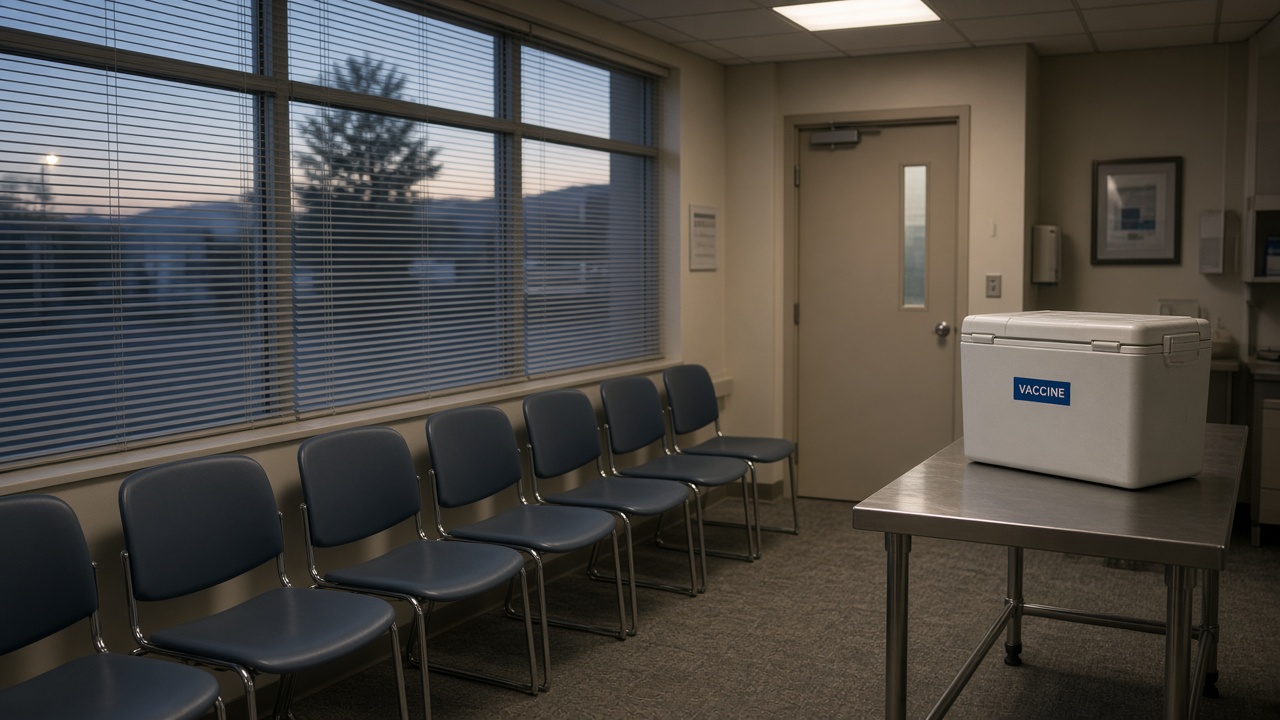
The Korea Disease Control and Prevention Agency expanded after-hours influenza vaccination at 120 community health centers nationwide, targeting wage workers who missed weekday slots as outpatient rooms filled with respiratory cases in Seoul and Busan. Evening windows run until 8 p.m. on Tuesdays and Thursdays through mid-December, with online booking opening each Monday at 9 a.m.
Why schedules changed
Hospital occupancy dashboards showed clinic wait times exceeding four hours in parts of the capital last week, driven by H3N2 and RSV co-circulation. Many centers had exhausted morning vaccine batches by noon, leaving employed residents to compete with sick visits. KDCA said the extra hours redeploy nurses already on salary rather than hiring temporary staff, keeping the program within existing free-vaccine appropriations.
Seniors remain eligible for free shots under the national program; the new slots also accept paying adults under 65 who want quicker access without visiting large hospitals.
Geographic focus
Forty-two of the 120 sites sit in the Seoul metro, twenty-eight in Busan-Ulsan-Gyeongnam, with the remainder spread through Daegu, Daejeon and Jeju. Rural centers without night lighting stick to Saturday morning makeup sessions announced separately.
Supply chain
Vaccine distributors confirmed cold-chain trucks added second daily drops to participating clinics. KDCA instructed centers to discard vials four hours after first puncture even if evening demand is light, a rule that shortened earlier pilots when nurses tried to carry opened vials into night shifts.
What clinicians want
Family physician associations supported extended hours but asked televised campaigns to stress masking in crowded waiting rooms. They also requested separate lines for well visits versus symptomatic patients—a layout change not all small clinics can manage.
Looking ahead
If uptake fills 85 percent of booked slots for two consecutive weeks, KDCA may add Monday nights in January before Lunar New Year travel. Epidemiologists caution vaccines take two weeks to confer full protection, meaning residents should not wait for peak season headlines. For employers, the practical effect is fewer sick leaves traced to employees who could not leave desks for daytime shots.
Employer coordination
Seoul’s small-business federation circulated a template letter employers can stamp to let shift workers leave 90 minutes early for booked evening slots, reducing no-show rates that plagued earlier pilots.