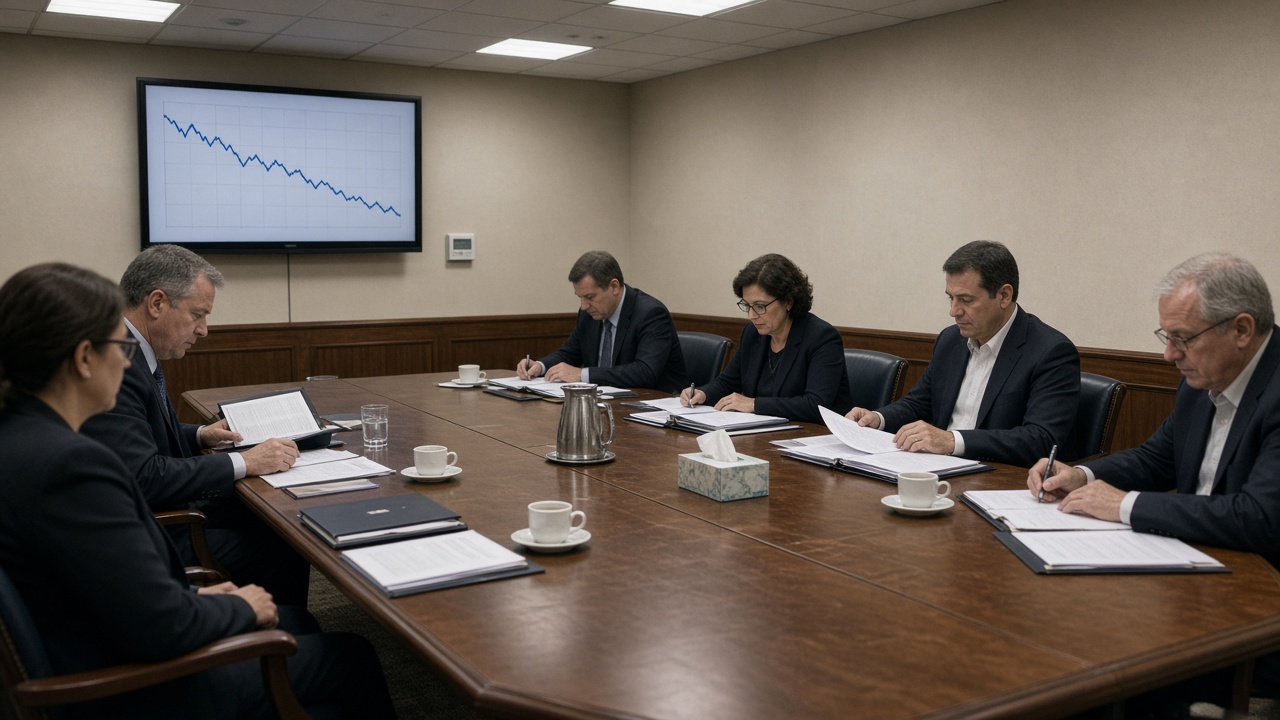
The Finance Ministry pulled the Bank of Korea, National Pension Service and Health Ministry into a four-way consultative body on Tuesday to review how the pension fund’s dollar demand is feeding won weakness, hours after daytime trading left the currency at 1,477.1 per dollar. Officials said the group will study ways to align NPS investment returns with foreign-exchange stability without naming binding steps in its first statement.
What the panel is weighing
Market participants expect talks to focus on the fund’s hedging ceiling. Standard rules cap currency hedging on overseas holdings at 5 percent of the book, with room to lift the cap toward 15 percent during volatile periods. Selling dollar exposure through forwards or futures would add won supply and could ease pressure that built as foreign investors sold Kospi shares and converted proceeds, according to traders following the meeting.
The NPS managed 1,322 trillion won as of recent filings, with overseas investments cited as a structural dollar buyer. Health Minister Jeong Eun-kyeong, who oversees pension governance, urged the fund management committee to act “swiftly and carefully” after the won touched levels last seen in April, a ministry readout said.
Swap line and political optics
Analysts also flagged an existing Bank of Korea foreign-exchange swap agreement with the pension fund, which carries a $65 billion ceiling and is due to expire at year-end. Extending that facility could let the NPS secure dollars from the central bank for offshore allocation while limiting spot-market disruption. Any move that trims unhedged overseas exposure, however, could reduce returns when the dollar strengthens—politically sensitive because the fund backs retiree benefits for much of the workforce.
Market read in Seoul
Seoul brokers said the announcement did not immediately shift forward points, but it signaled that policymakers are willing to use balance-sheet tools beyond verbal intervention. Bond desks noted that long-end yields barely moved, suggesting investors still expect the Bank of Korea to prioritize rate stability ahead of Thursday’s monetary policy meeting. Equity strategists said a sustained hedging shift could matter more for the won than a single-day equity flow.
What could break the plan
If global dollar strength accelerates alongside U.S. inflation data due this week, hedging tweaks may look incremental. Labor groups have historically resisted pension moves perceived as subsidizing speculators. Fund managers must also justify any hedge expansion to the National Pension Fund Management Committee, which includes labor and employer representatives. The consultative body gave no timetable for recommendations.
Next checkpoints
Investors will watch whether the Health Ministry places formal hedge guidelines on the pension committee’s December agenda and whether the Bank of Korea rolls the swap facility before expiration. Foreign holders of Korean equities remain a swing factor: additional selling would offset pension-led dollar supply. For Korean households, the practical stake is imported inflation and travel costs if the won stays near seven-month lows despite policy coordination.