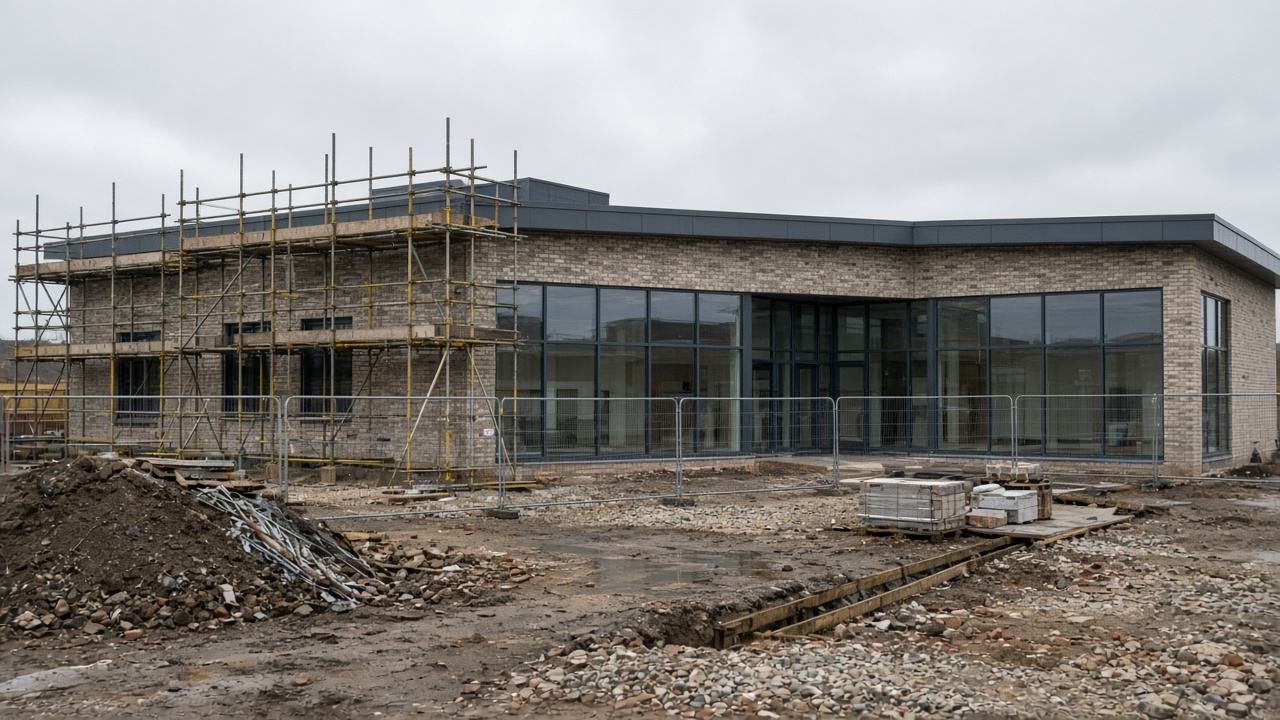
Care Minister Karin Smyth told Parliament that the government will deliver 250 neighbourhood health centres and channel an additional £300 million of NHS technology capital as Rachel Reeves prepares Wednesday’s budget.
Smyth framed the programme as a way to move routine care out of hospitals and closer to patients in deprived areas, with the first 120 sites targeted by 2030 through a mix of new builds, repurposed estate and public-private partnerships.
What the centres are meant to do
The one-stop sites would colocate general practice, nursing and pharmacy services under single roofs, reducing travel for patients with diabetes, heart failure and other long-term conditions. Ministers argue the model cuts the postcode lottery where some communities lack evening GP access while others rely on urgent care centres miles away.
Funding details will sit inside the wider budget envelope. Smyth acknowledged the NHS inherited a multi-billion-pound maintenance backlog and said Treasury choices on Wednesday would aim to cut waiting lists, debt servicing costs and household bills simultaneously.
Digital layer
The £300 million technology tranche is supposed to link primary and secondary care through the NHS app, giving patients clearer triage into self-care, GP slots or urgent treatment. Officials promised broader digital health-record access so people see the same results GPs and hospitals use.
That capital sits atop up to £10 billion signposted at the spending review. Tech vendors and trusts will watch whether the money is new or reprofiled, and whether cyber security shares the same uplift after repeated ransomware hits on NHS trusts.
PFI contrast
Smyth stressed updated accounting treatment so neighbourhood builds count on balance sheet up front, distinguishing the model from private finance initiative deals criticised for long-term charges. Opposition MPs will scrutinise whether partnership structures still shift risk to the public sector if demand forecasts slip.
Political stakes
Labour campaigned on shorter waits and community care. Tuesday’s announcement pre-briefs a headline-friendly NHS story hours before tax rises land. Delivery will depend on planning consent, workforce recruitment and whether pharmacies sign up to extended roles without destabilising high-street chains.
Reeves’s statement will show whether revenue, not just capital, follows the bricks-and-mortar promise.
Workforce
Pharmacy First schemes already shift minor ailment visits away from GPs. Neighbourhood centres would multiply those hand-offs only if districts can recruit enough pharmacists and advanced nurse practitioners willing to work evenings.
Local authorities control much of the planning envelope for new builds. Smyth’s emphasis on repurposed estate may speed openings in cities where land is scarce, but refurbishment still disrupts existing clinics during building work.
Patients groups will ask how digital triage through the NHS app avoids duplicating the 111 service, which has its own capacity strains.
Reader checklist
Watch official statements, filings and regulator portals today rather than relying on hallway briefings. When numbers land, compare them with what households, patients and investors were told last quarter and note what changed in the fine print.
Local coverage from trade press and parliamentary records will update through the afternoon; refresh chips if documents post after this story went live.