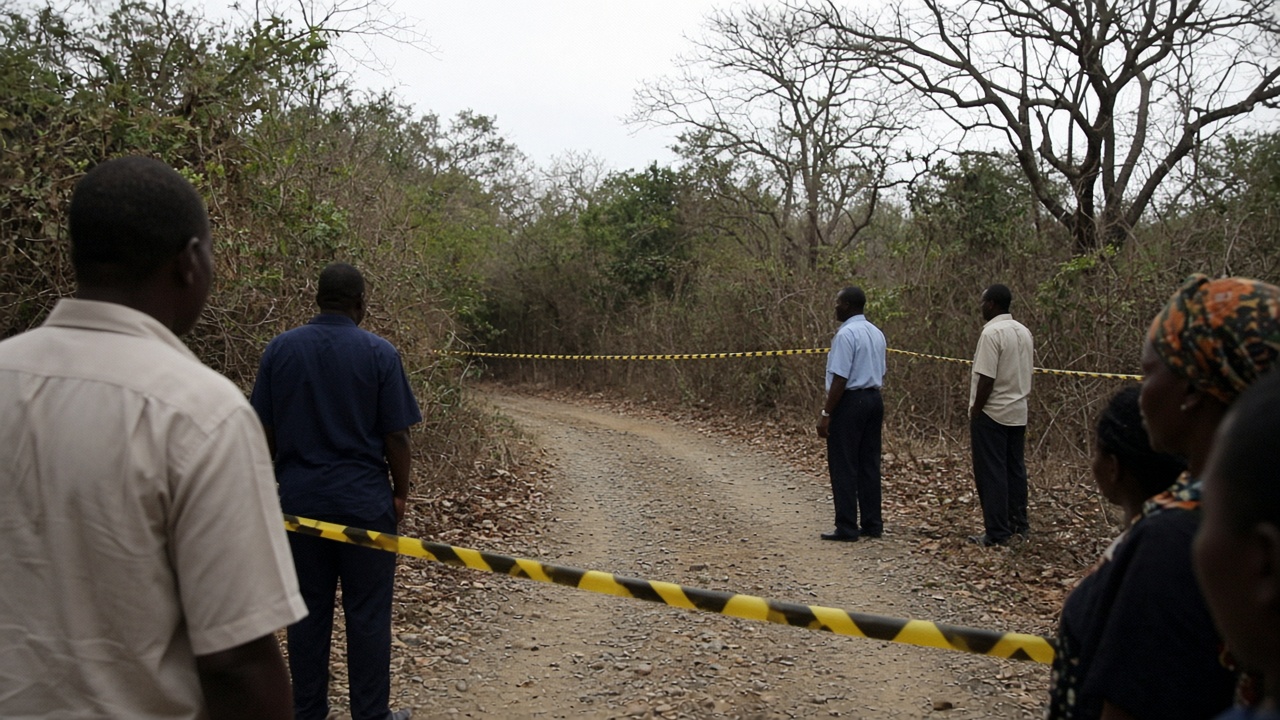
A Kenyan high court on Friday convicted doomsday preacher Paul Mackenzie of manslaughter in 123 starvation deaths at Shakahola forest, delivering what prosecutors called the final criminal judgment in a case that has forced a national reckoning over unregulated churches.
High Court Justice Alex Ithuku found Mackenzie guilty at the Mombasa Law Courts after a trial covering adult victims who died between January 2021 and September 2023. The Office of the Director of Public Prosecutions said the ruling closed the fourth conviction cycle against Mackenzie, who is already serving a 200-year sentence for murdering 191 people, almost all children, in the same woodland enclave near Malindi.
What the court accepted
Prosecutors argued that Mackenzie directed a structured fasting program meant to end in death so followers could "meet Jesus." Witnesses testified that children were to die first, then women, then men, with Mackenzie scheduled to die last. The DPP said Friday's verdict found he had "systematically persuaded his followers to fast until they died."
In detailed findings reported by Kenyan media, Justice Ithuku rejected claims that drought or voluntary fasting explained the deaths. Investigators documented an 18,000-cubic-metre water pan and food stocks in homes beside emaciated victims. The judge found Mackenzie barred neighbours from lending food, ordered bodies moved as police approached, and continued eating while followers starved.
The court convicted 29 co-defendants on overlapping manslaughter counts, including Mackenzie's wife, Rhoda Mumbua Maweu, on one count. Sixty defendants were acquitted; the DPP said it would appeal those acquittals.
Background and scale
Mackenzie built Good News International Ministries from 2003, broadcasting apocalyptic sermons that denounced schooling and healthcare before relocating followers to Shakahola after his Malindi church closed in 2019. Police arrested him in April 2023 once shallow graves holding more than 400 bodies were uncovered.
Earlier in November a separate panel sentenced Mackenzie to 200 years for 191 murders. This week's manslaughter counts cover adults whose deaths post-mortems tied chiefly to starvation. Mackenzie pleaded not guilty; his lawyers told Reuters they would appeal after sentencing.
What happens next
Sentencing dates have not been announced. Appeals from both defence counsel and prosecutors could extend litigation for years. President William Ruto previously ordered a commission of inquiry into the deaths, though courts later struck parts of that process down.
Survivors and parents who lost entire families have attended hearings in Mombasa. Stephen Mwiti, who buried one of six children who died in the forest, told the BBC last month that convictions brought relief but could not replace the missing. Kenyan lawmakers are still debating tighter registration rules for religious organisations after the exhumations exposed how long the settlement operated without effective oversight.
Mackenzie's legal team signaled that Friday's manslaughter verdict will be fought on appeal, while prosecutors press to reverse acquittals among lower-tier defendants who handled logistics in the forest.