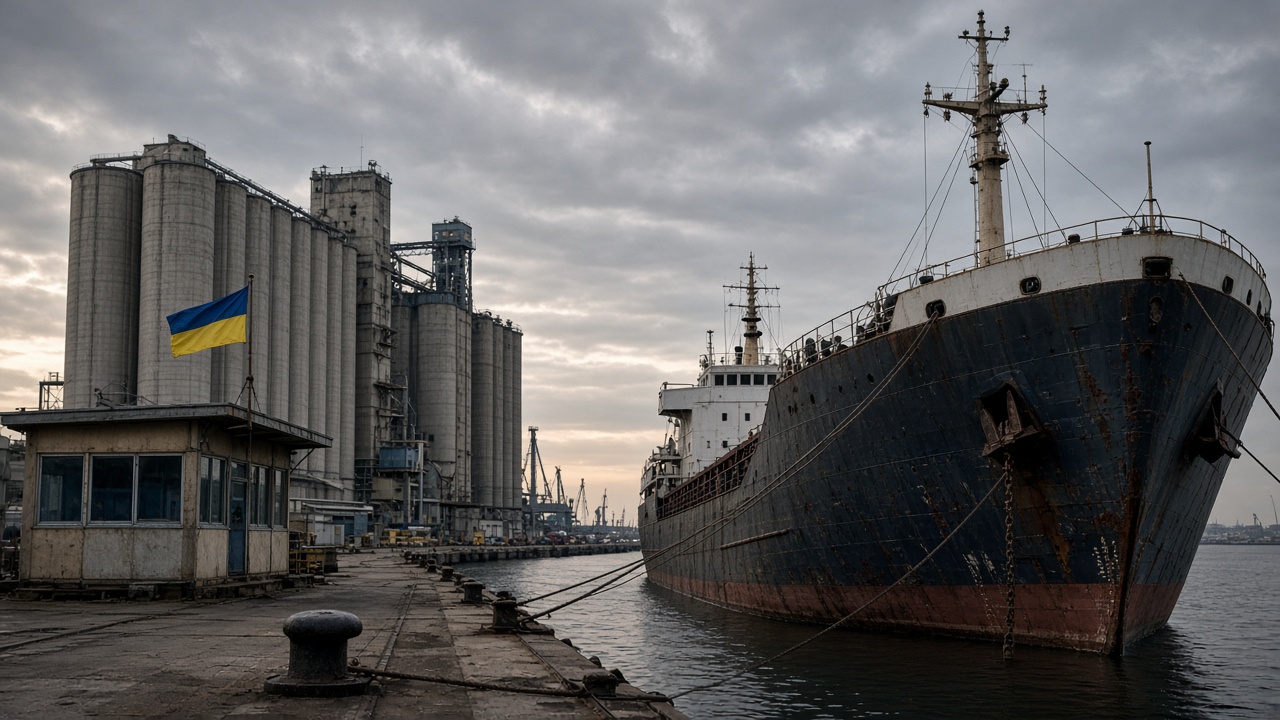
Ukrainian Foreign Minister Andrii Sybiha said Friday that Kyiv has sent its partners a written package on a possible Black Sea ceasefire and is waiting for Moscow to answer. Speaking at the fifth International High-Level Conference on Food Security "Food from Ukraine" in Kyiv, Sybiha said Ukraine is "ready for a truce" and that "all our proposals have been conveyed" to the Russian side.
What Kyiv is asking for
The proposals center on two linked demands: restoring freedom of navigation across the Black Sea and keeping agricultural exports moving without interruption. Ukraine is one of the world's largest grain suppliers, and much of its harvest still reaches foreign buyers through Odessa-area ports when security allows.
Sybiha did not publish the full text of the offer in his conference remarks, and neither the Ukrainian nor Russian foreign ministries released matching statements on Friday evening. That leaves outside governments and shippers guessing about the exact boundaries of any truce—whether it would cover only commercial lanes, how long it might last, and what monitoring Kyiv expects.
Western diplomats have spent months trying to separate food-security talks from the wider war, but the two tracks keep colliding. Any pause that opens the sea lanes would immediately affect wheat and corn prices on global markets, not only the battlefield around southern Ukraine.
Why shippers are watching
Russian strikes and naval activity have periodically slowed Ukraine's Black Sea corridor since 2022. Insurers and charterers price that risk into every voyage. Even a short, verified pause could ease freight premiums on routes out of Greater Odessa, though traders say they will want proof that attacks have stopped before they declare the route routine again.
Kyiv's framing at a food-security forum underscores the economic stakes at home. Farm income, storage fees, and port jobs along the Danube-Black Sea chain all depend on export rhythm. A ceasefire proposal tied explicitly to grain is also a signal to African and Middle Eastern buyers who rely on Ukrainian wheat and who attended the Kyiv conference.
What happens next
Moscow had not publicly responded to Sybiha's description of the package as of late Friday Central European time. Kremlin spokespeople have in past rounds either rejected truce language they see as one-sided or demanded concessions on sanctions and territory before discussing maritime limits.
If Russia engages, negotiators would still face the harder question of verification—satellite imagery, third-party inspectors, and rules for what happens when either side reports a violation. Without that, insurers say, a paper ceasefire may not change ship movements.
For now the initiative sits in diplomatic limbo: Kyiv says the ball is in Moscow's court, partners say they have seen the text, and the Black Sea remains a live shipping corridor under wartime rules. The next visible move will be whether Russia answers at the foreign-ministry level or lets the proposal pass without comment.