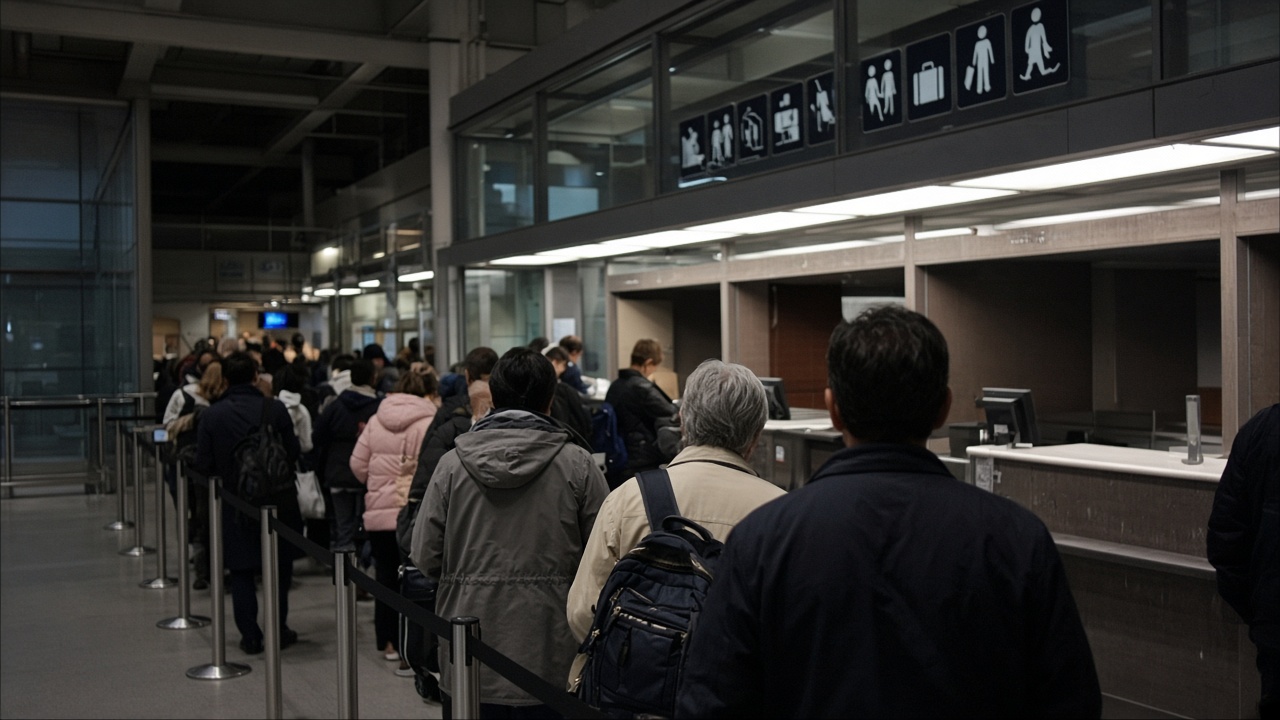
Singapore will bar high-risk and undesirable travellers from boarding flights bound for the city-state from 30 January, the Immigration and Checkpoints Authority said on Saturday, shifting more border vetting to overseas airports before passengers ever reach Changi.
The policy, outlined in the morning briefing carried by The Straits Times, targets individuals flagged through intelligence and risk assessments rather than routine holiday traffic. ICA said carriers must deny boarding when the agency issues a no-fly instruction, tightening a layer of control that already mixes automated screening with officer review at departure gates worldwide.
Why the government moved upstream
Home Affairs Minister K. Shanmugam has stressed that Singapore's prosperity depends on secure sea and air lanes. The boarding ban extends that logic to the jet bridge: stopping problematic passengers overseas reduces custody, detention and turnaround costs at Changi while limiting the chance that someone barred on arrival ties up Terminal lanes.
Airlines serving Singapore operate under longstanding instructions to verify travel documents before take-off. The January rule adds a national-security filter with penalties for non-compliance that ICA did not detail in the initial release but historically ties to fines and flight-specific enforcement.
What travellers and carriers should expect
ICA said the measure focuses on persons deemed security or immigration risks, not blanket categories of tourists or business visitors. Legitimate passengers should see little change at check-in if their records are clean; the friction lands on airlines' operations centres, which must integrate ICA directives into departure control systems.
Regional hubs compete on speed as much as safety. Singapore's bet is that faster exclusion abroad preserves Changi's reputation for efficiency. Critics overseas may argue opaque risk labels could strand passengers without timely appeal; the agency has not published a public challenge process in Saturday's summary.
Implementation sits six weeks out, giving carriers a narrow window to train staff and test data links. For a city-state that imports most of what it consumes, controlling who boards the final leg is another choke point in an already layered defence model.
Regional carriers and the January deadline
Singapore's hub status means the rule reaches far beyond national flag carriers. Budget airlines that funnel connecting traffic through Changi, Gulf carriers with multiple daily frequencies, and Southeast Asian rivals all check in passengers who may never touch Singapore soil until the last segment. ICA's directive pushes compliance burdens onto every sales channel that issues a boarding pass with a Singapore arrival code.
Industry groups in the city-state have asked for technical briefings on how no-board orders will appear in departure control messages and whether airlines receive written rationale they can show passengers refused at gates. The agency's Saturday release emphasised intent more than mechanics, leaving operations teams to seek clarifications through existing liaison channels.
Neighbouring governments sometimes mirror Singapore security upgrades when they share intelligence fusion cells. If Malaysia or Indonesia adopt similar pre-board vetting, the January shift could ripple across short-haul routes that depend on weekend volume. For now, the announcement alone signals that border control begins before the jetway, not only under the departure hall cameras at Terminal 1.