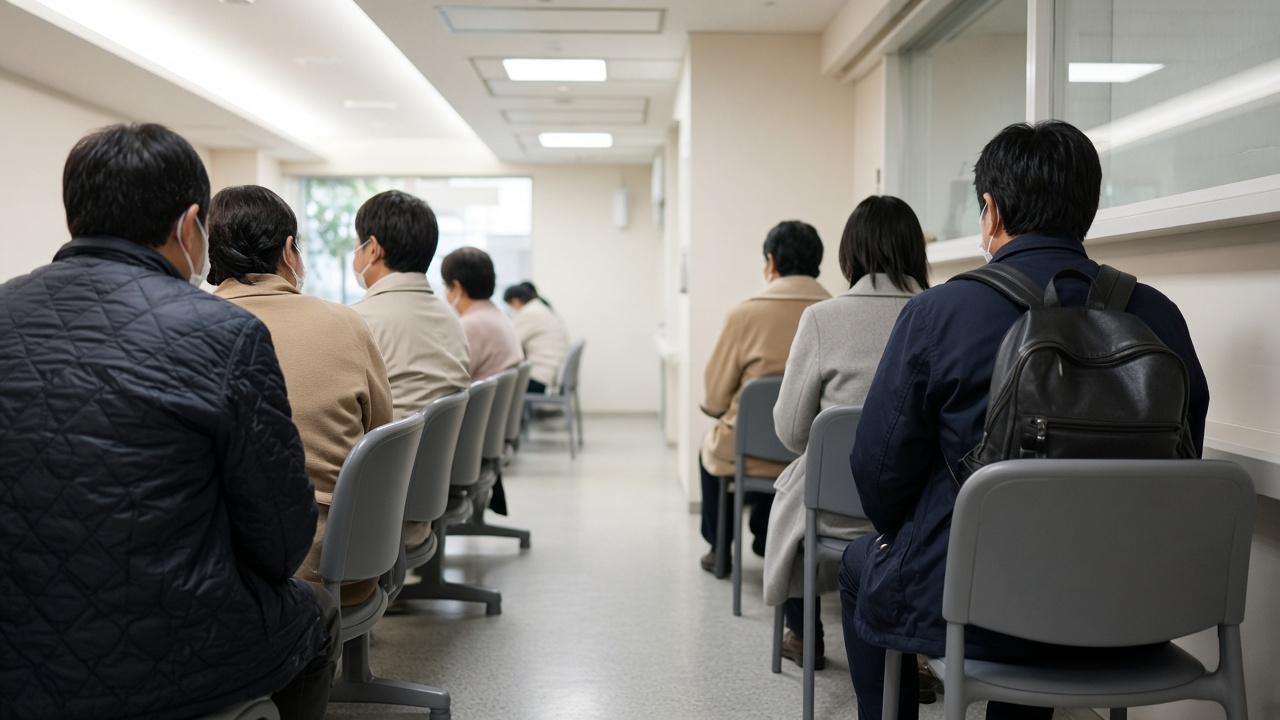
Japan’s Ministry of Health, Labour and Welfare logged 173,380 influenza reports nationwide in epidemiological week 48, covering November 24 through November 30, with the sentinel average falling to 44.99 cases per clinic from 51.12 a week earlier. Hospitalizations nonetheless climbed to 2,261 from 2,068, a split that shows severe cases rising even as clinic foot traffic eases in some prefectures.
Geography
Saitama posted the highest sentinel rate at 74.81, followed by Nagano at 72.49 and Fukushima at 64.81 in ministry tables. Tokyo averaged 35.76, below surrounding commuter belt prefectures where family spread remains intense. Nineteen prefectures saw week-on-week increases while 28 declined, indicating the wave is rotating rather than uniformly retreating.
Virus typing in the National Institute of Infectious Diseases bulletin shows AH3 subtype dominant in recent weeks, with limited AH1pdm09 and B detections. Pediatric wards still carry the bulk of admissions, though elderly cohorts above 80 accounted for 587 hospitalization reports in the ministry age breakdown.
Schools and workplaces
Education boards in Saitama and Chiba track absentee spikes when sentinel averages exceed 30; several municipalities maintained December concert schedules but asked choral groups to mask during rehearsal weeks. Employers with December bonus payouts see absenteeism collide with year-end deadlines, pushing human-resources teams to extend remote-work windows originally retired after pandemic rules expired.
Vaccine and antiviral supply
Pharmacies in high-sentinel prefectures report uneven Tamiflu stock as wholesalers prioritize clinic channels. Vaccination uptake among older adults remains below ministry targets in Kyushu, where week 48 averages dipped but prior weeks surged. Public health centers urge households to book shots before New Year travel to grandparents in Tohoku hot spots.
Hospital capacity
Emergency departments in Nagano requested mutual aid from neighboring prefectures when pediatric beds filled mid-week. The ministry cautions that April surveillance changes altered sentinel clinic counts, complicating year-on-year comparisons; analysts should focus on hospitalization trends rather than headline notification totals alone.
Outlook
Week 49 data publish December 12; if sentinel averages rebound after Tokyo office parties, January admissions could exceed December peaks. Travel hubs including Osaka and Fukuoka airports added signage urging mask use without mandates, reflecting a voluntary compliance posture that still shapes peak-season morbidity.
Pharmacy and clinic operations
Chain pharmacies in Saitama extended weekend hours after wholesalers allocated extra oseltamivir packs to high-sentinel municipalities. Clinic managers in Nagano reported telephone triage nurses spending more time distinguishing RSV co-infections from pure influenza, lengthening callbacks even as notification counts dipped.
Corporate occupational health units urged employees to stagger year-end parties across two weeks rather than single-night banquets that seeded prior waves; compliance remains voluntary but several major trading houses circulated internal memos tying attendance caps to ventilation readings.