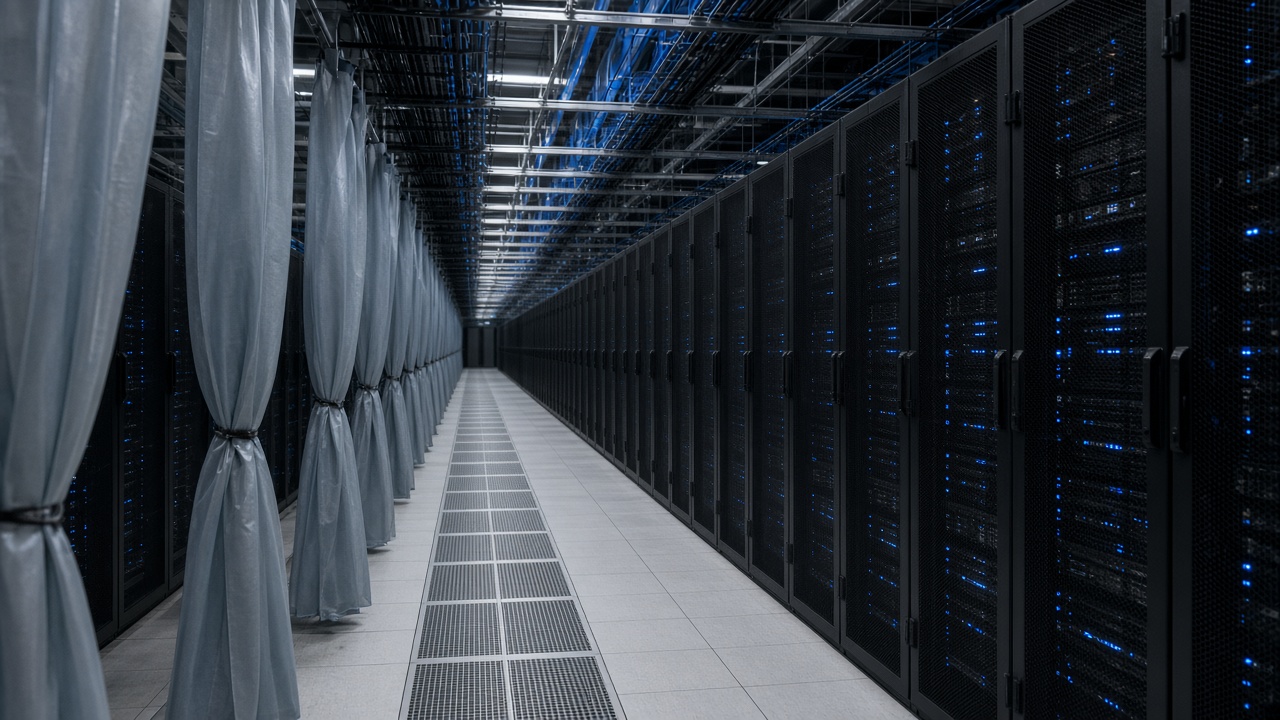
Naver Cloud capped on-premises GPU rentals at eight H100 accelerators per rack for Seoul metro tenants after Korea Electric Power warned that a Pangyo substation was running near its winter reserve margin.
What changes for customers
Contracts signed after November 29 inherit the ceiling until KEPCO finishes a 154-kilovolt upgrade slated for March 2027. Existing bare-metal tenants can keep current allocations but cannot add nodes without relocating workloads to Naver's Chuncheon region, where hydro-heavy generation offers more headroom. The policy applies to direct GPU rentals, not Naver's managed Kubernetes layer, which already bins training jobs by power tags.
AI startups in Seongnam's startup alley told InfoHandle they had queued 32-GPU bursts for fine-tuning large language models on Korean legal text. Naver offered credits toward Chuncheon ingress fees for affected accounts, worth about 12 percent of monthly compute bills for the first quarter under the cap.
Power politics
Data-center load has become a local political issue after a summer heat wave forced KEPCO to issue conservation alerts while Bitcoin mines and AI labs drew redundant feeds. MSIT's AI compute task force asked operators to publish power draw per training job; Naver's cap is the first commercial response tied to a named substation constraint rather than a vague sustainability pledge.
Competitors are watching. Kakao Cloud has not matched the ceiling but told enterprise clients it may throttle burst jobs in Gwacheon if KEPCO's telemetry crosses 92 percent utilization. Hyperscalers with their own Korean regions typically buy dedicated feeds; Naver's issue highlights mid-size domestic clouds that lease colocation rather than own land.
For investors, the near-term hit is modest: cloud revenue guidance assumed 78 percent utilization in the fourth quarter, and Naver said the cap might defer 6 to 9 billion won of GPU rental into early 2027 rather than erase it. Longer term, the company is negotiating a private wire from a liquefied natural gas peaker plant that could lift the rack limit to twelve GPUs if permitted.
Colocation landlords in Yongin are quoting 22 percent higher per-rack power tariffs for 2027 renewals, a pass-through Naver hopes to soften with longer-term geothermal experiments at its Chuncheon site. Enterprise legal teams asked for force-majeure language if KEPCO triggers rolling conservation alerts.