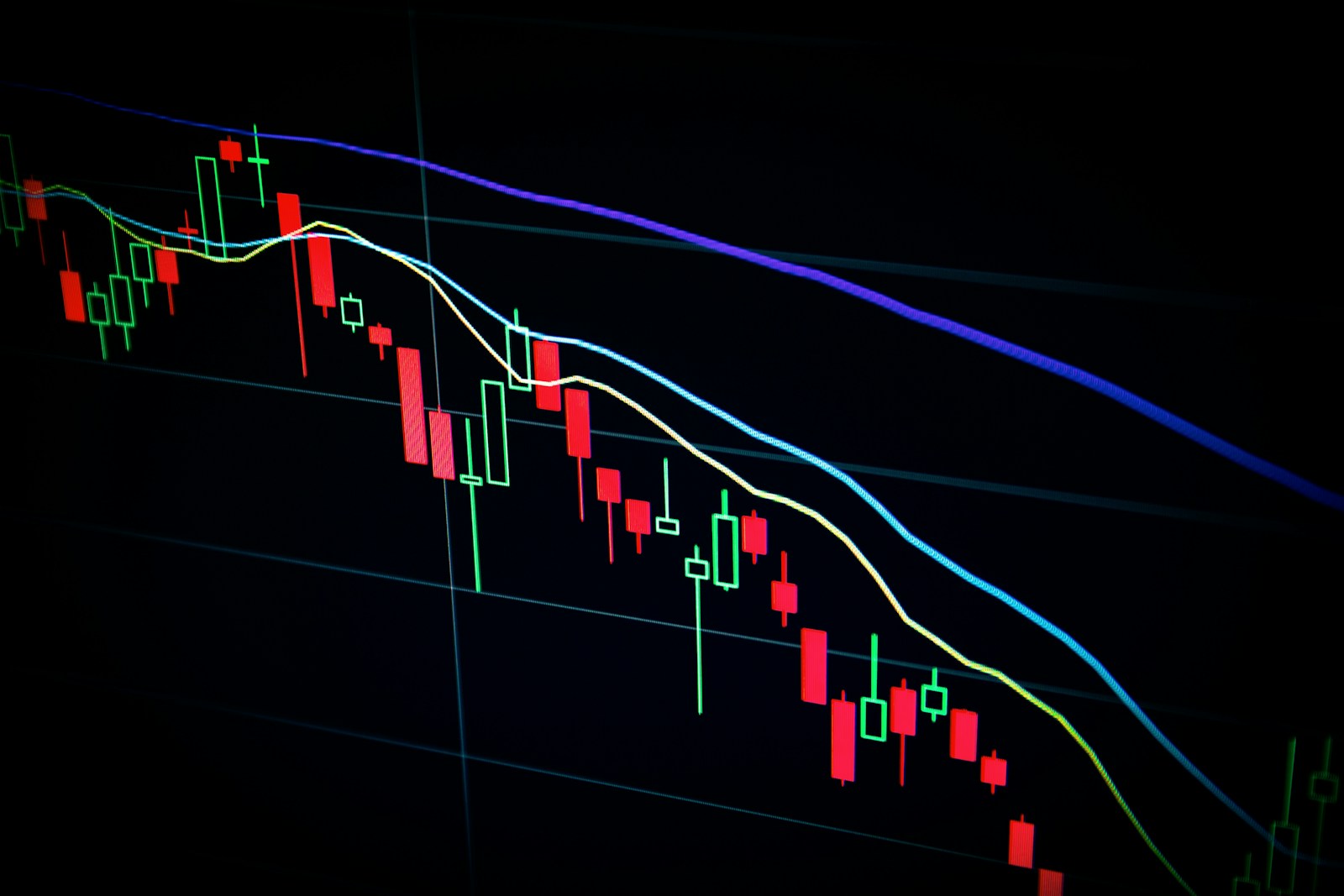
Front-month ICE Brent settled near $107 a barrel on Monday, extending a rally that has added roughly $10 over the past week after drone strikes forced Saudi Aramco to shut the kingdom’s East-West pipeline, known as Petroline.
What broke, and what is still moving
Riyadh said the attacks on September 10 originated from Iranian-backed militias in Iraq. Satellite imagery reviewed by news agencies showed fire damage at a pumping complex southeast of Medina. Two officials briefed on repair plans told The Associated Press that restoring full service could take three to five weeks, though partial flows might return sooner.
The 1,200-kilometer line can carry up to seven million barrels per day from fields near the Gulf to Yanbu on the Red Sea. Before the shutdown, Aramco had been routing about four million to five million barrels daily through Petroline to bypass the Strait of Hormuz, where tanker traffic has been volatile since hostilities escalated.
Inventories and the pricing clock
Industry sources told Reuters that Yanbu’s stored crude may cover exports for only five to seven days while the pipeline is down. Additional barrels can be drawn from Egyptian transit sites at Ain Sukhna and Sidi Kerir, but traders still describe a narrow window before physical tightness shows up in spot differentials.
U.S. Energy Secretary Chris Wright told Bloomberg on Monday that the pipeline should be “back running very soon,” adding that technical teams were still assessing damage. Saudi authorities have not published a formal restart schedule since the precautionary closure announced on September 11.
Market reaction and policy stakes
Options markets priced higher implied volatility across Brent and WTI curves, with December contracts rising faster than prompt barrels—a sign investors expect the outage to linger. European and Asian refiners that rely on medium sour grades said they were lining up alternative cargoes from the U.S. Gulf and West Africa.
Analysts at Lipow Oil Associates cautioned that if pumping stations require extensive rebuilds, repairs could stretch into months, though that remains speculative without an Aramco engineering statement. Any attempt to push more volume back through Hormuz would reintroduce war-risk premiums that Petroline had helped dampen.
For consuming governments, the shock arrives just as inflation reports in several G7 economies had begun to cool transport costs. Treasury officials in two capitals said they were monitoring strategic stock releases but had not triggered them as of Monday evening.
What traders watch next
Shipping trackers will be scrutinizing Hormuz transit counts after Wright claimed more than 12 million barrels of oil and products moved through the strait on Sunday night. Diplomatic channels between Baghdad and Riyadh may matter as much as weld crews in Medina province.
Until Aramco confirms throughput, the market’s base case is a multi-week outage with Brent holding a war premium above $100. A faster restart would unwind part of that spike, but few desks are betting on a painless fix while drone strikes continue along the corridor.
Refiners and consumers
Asian refiners that depend on Saudi medium sour grades said they were bidding aggressively for U.S. Mars and Brazilian grades to keep run rates steady. European motorists already saw diesel wholesale prices jump several cents per liter, a pass-through that finance ministries fear could revive inflation talk just as central banks hoped to pause hikes.
OPEC delegates meeting informally on the sidelines of a Geneva energy forum declined to comment on whether the broader group would offset lost Saudi barrels, citing the sensitivity of the Hormuz route. Independent analysts said spare capacity outside the Gulf remains thin, leaving little cushion if Petroline repairs slip past October.