The Royal Swedish Academy of Sciences split the 12 million kronor award between Stanford’s Robert E. Hall and Columbia’s Michael Woodford for rebuilding macro models on household and firm behavior—the toolkit central banks use when inflation or recessions hit.
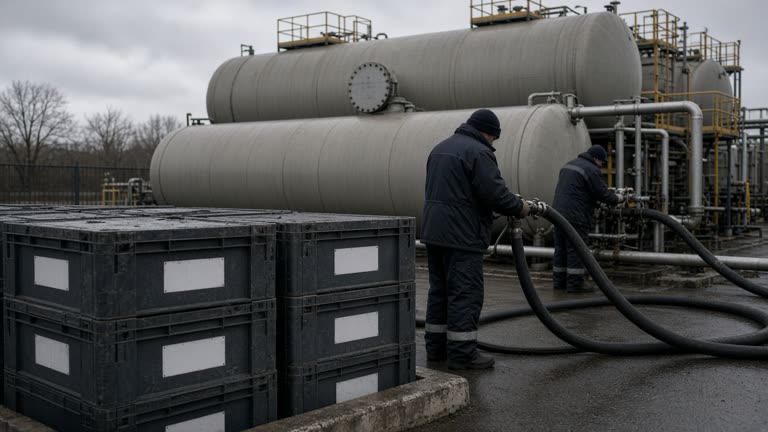
European capitals opened emergency coordination on diesel reserves after President Donald Trump threatened to curb U.S. fuel exports, while G7 governments agreed to tap 100 million barrels to steady prices ahead of winter.
The UN trade body’s annual report says Middle East fighting pushed Brent above $110 and left most developing economies struggling to catch up with rich nations.
President Donald Trump said a phone call with Vladimir Putin produced immediate Russian diesel shipments and more through November, framing the move as relief for truckers and farmers before November’s congressional elections.
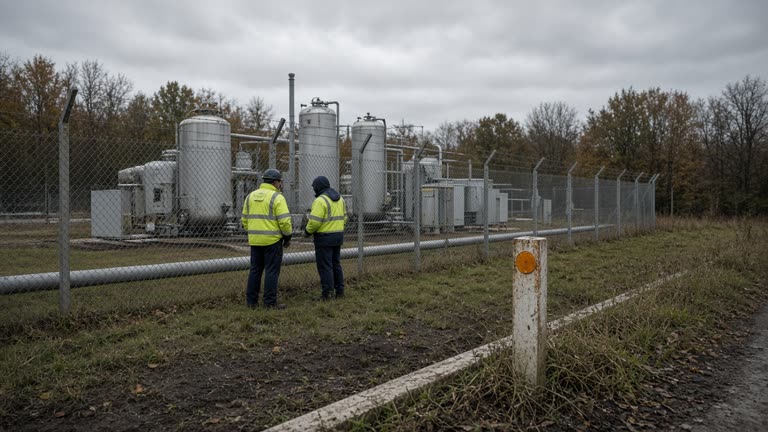
Europe’s gas network operators say British storage could fall to zero in a cold snap while EU sites that backstop the UK are themselves only 72 percent full.
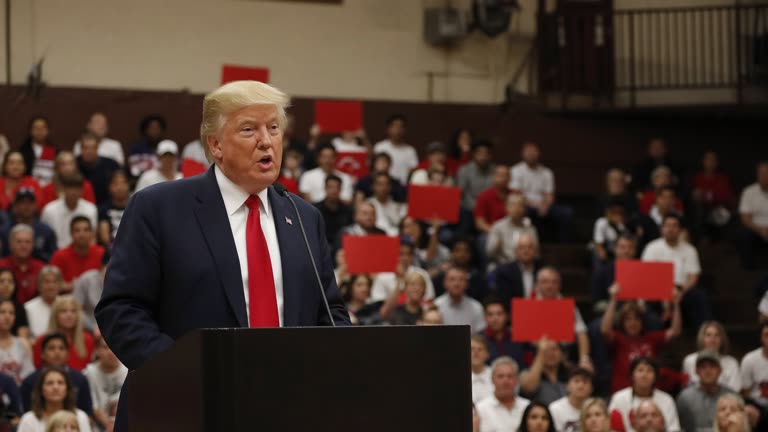
At an Ohio rally, Trump warned overseas manufacturers they could face 150 to 300 percent duties if they do not build U.S. plants within about 18 months, reviving pressure on allies already negotiating big investment packages.
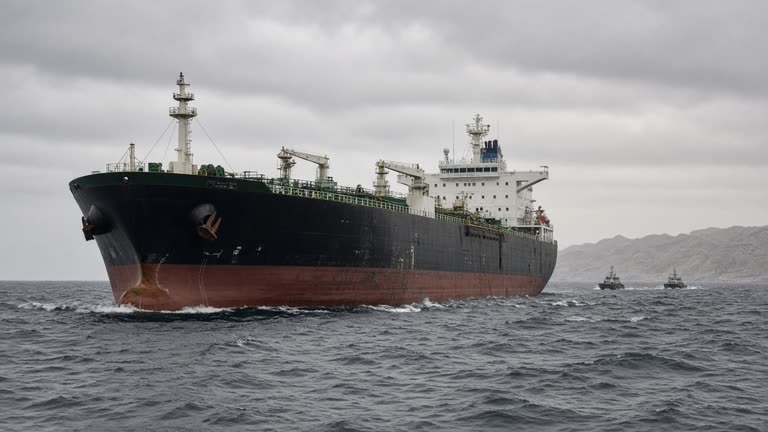
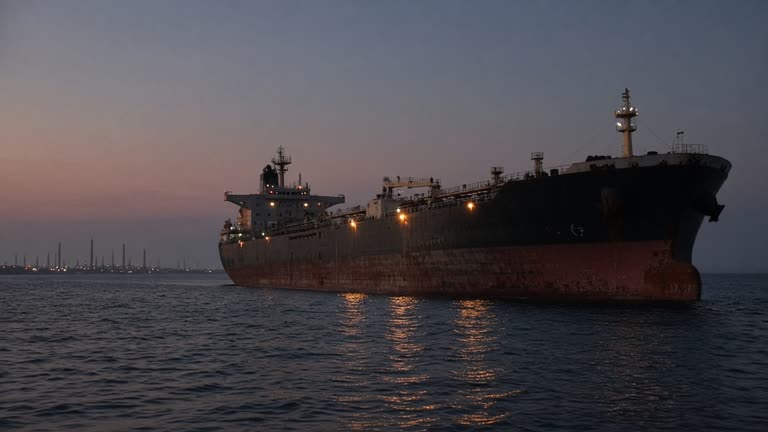
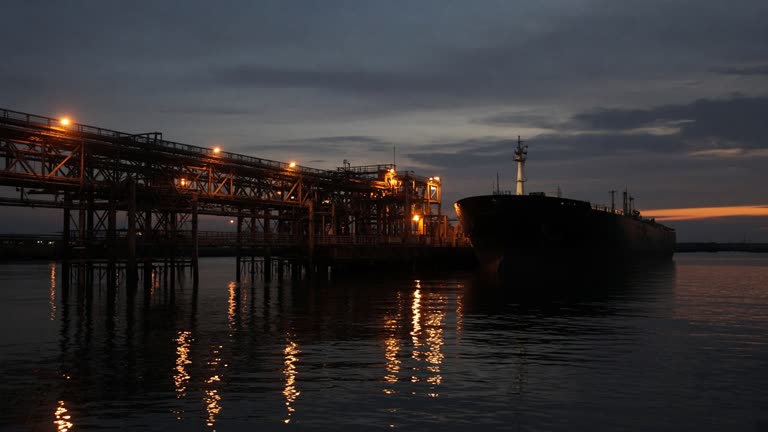
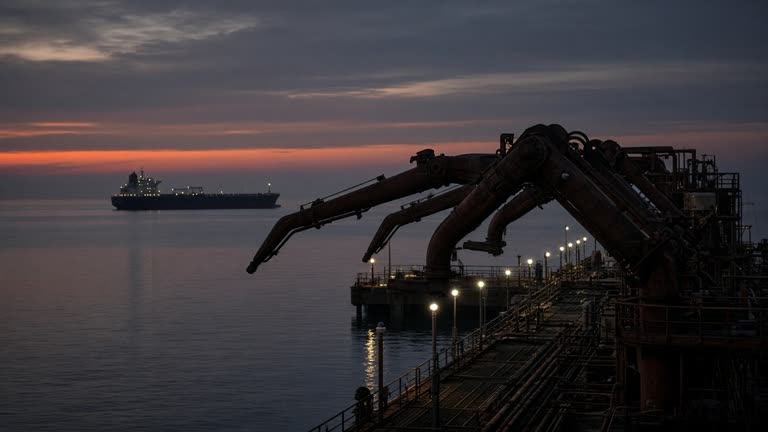
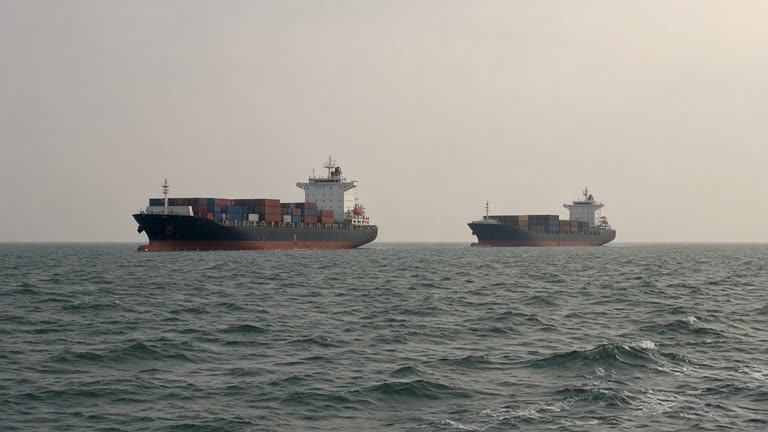
Baghdad’s state-owned tanker arm carried Iraqi crude on a supertanker through the Strait of Hormuz, giving marketer SOMO more say on where cargoes are sold after years of loading only at Basra.
Leaders pledged a four-month IEA release mixing crude and diesel after weeks of Hormuz-linked price spikes, while explicitly ruling out export bans among member states.
Leaders agreed to release 100 million barrels through the International Energy Agency, front-loading diesel in the first 20 days after Washington threatened to curb U.S. fuel exports to Europe.
Tanker-tracking data shows Middle Eastern export volumes climbing again even as U.S. and Iranian envoys hold separate talks with mediators and Washington weighs diesel export curbs at home.
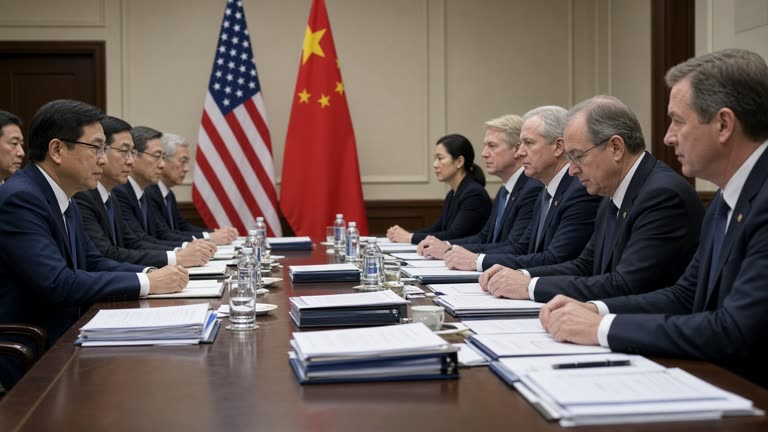
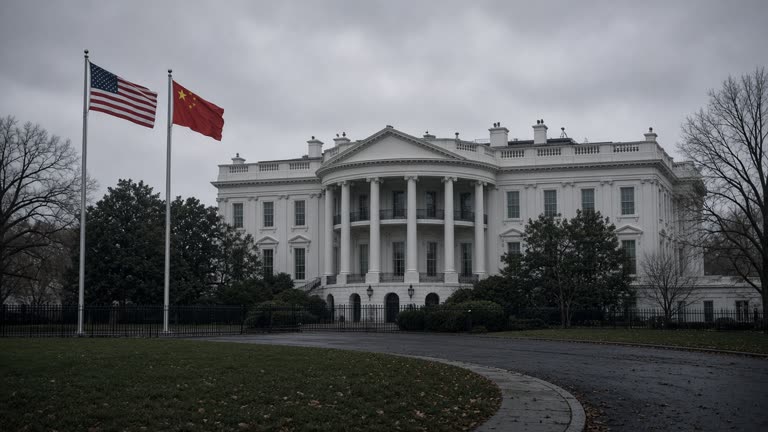
Washington and Beijing matched tariff relief on non-sensitive goods through the new Board of Trade and set a November round on AI risks, extending a truce that had been due to expire in November.
Treasury Secretary Scott Bessent said Saturday that allied governments are choking Iranian aviation and banking links, even as President Donald Trump rejected Tehran's seven-day Hormuz reopening plan.
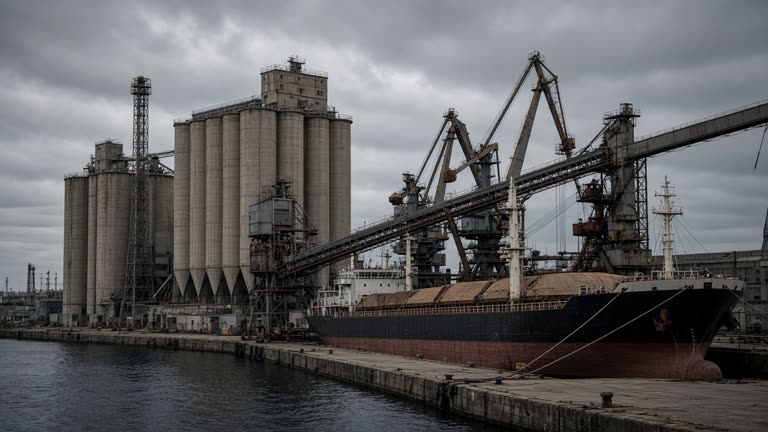
The European Bank for Reconstruction and Development said Thursday that growth in developing economies is slowing as Russia’s war on Ukraine keeps energy and wheat prices elevated, while German Foreign Minister Johann Wadephul urged an immediate Black Sea ceasefire so Ukrainian grain can reach global buyers.
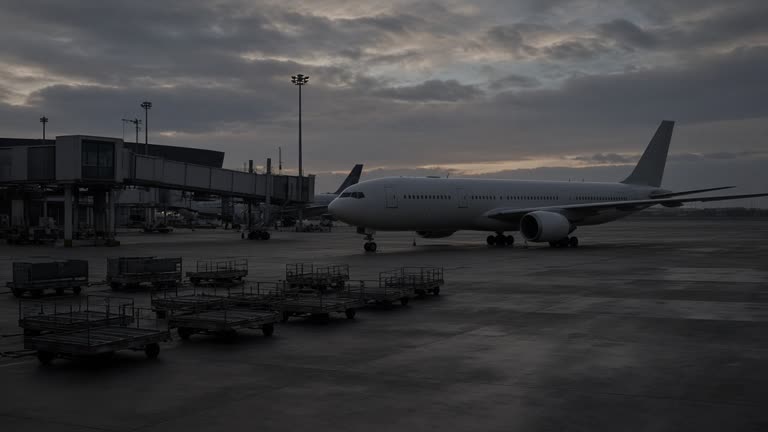
The United States’ “economic D-Day” aviation sanctions took full effect on Thursday, prompting the UAE to suspend all Iranian airline flights and wiping Dubai-bound seats from booking systems, while Saudi Arabia said it intercepted six Houthi ballistic missiles aimed at Taif and the Yanbu area on the same volatile day in the Gulf.
Treasury Secretary Scott Bessent said Washington and Beijing will keep their bilateral tariff pause in place until Jan. 10, minutes after Chinese President Xi Jinping landed for a state visit where trade, artificial intelligence, and Taiwan are on the table.
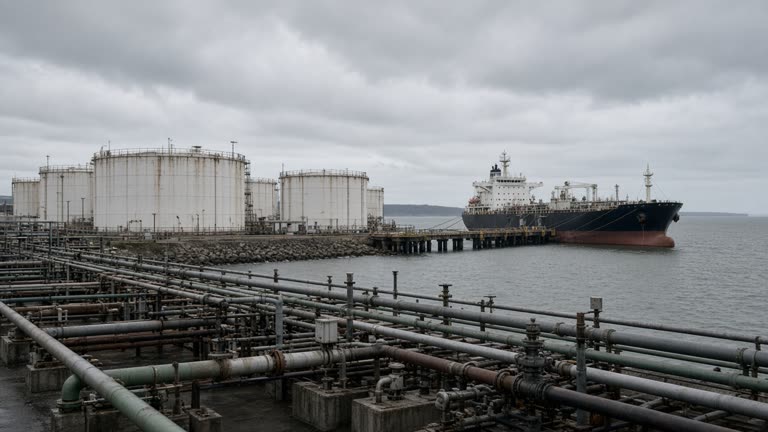
Exxon Mobil Corp. kept Gulf Coast LNG and crude export load windows unchanged through October while Trump administration officials briefed Gulf allies on a proposed Hormuz shipping insurance backstop, leaving charter desks to price war-risk premiums separately from White House moratorium talk that dominated European headlines this week.
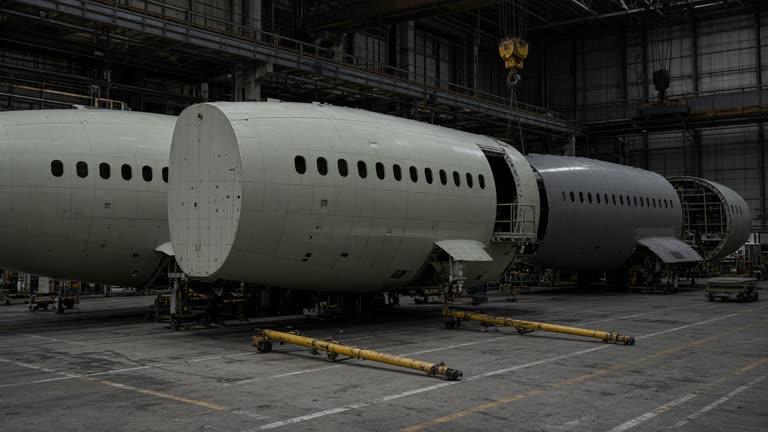
Boeing pulled forward its public China 737 Max delivery forecast into a diplomatic hold as President Xi Jinping’s Washington state visit week froze narrowbody order talk, telling Renton planners to keep fuselage slots flexible while Arlington trade staff treat airline purchase MOUs as off the table until Oval and Commerce meetings clear.
Saudi Aramco has restarted the kingdom’s East-West pipeline at a reduced pumping rate after a nine-day shutdown from drone damage, with traders told Yanbu could load a China-bound cargo Tuesday as Brent slid on signs that roughly four million barrels per day may return to Red Sea routes.
Marriott capped delegate-rate inventory at flagship Manhattan hotels as UN General Assembly week pushed citywide occupancy above 94 percent, trading uncapped BAR upside for diplomatic-contract goodwill and fewer last-minute walk-off threats from mission finance officers.
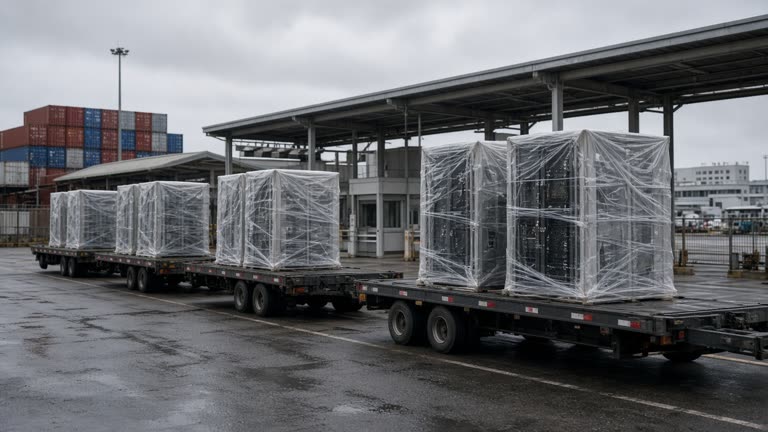
Hon Hai raised its September consolidated revenue outlook after rack-scale AI servers cleared Taoyuan customs ahead of schedule, a filing signal that cloud hardware is now setting the monthly pace inside the contract manufacturer.
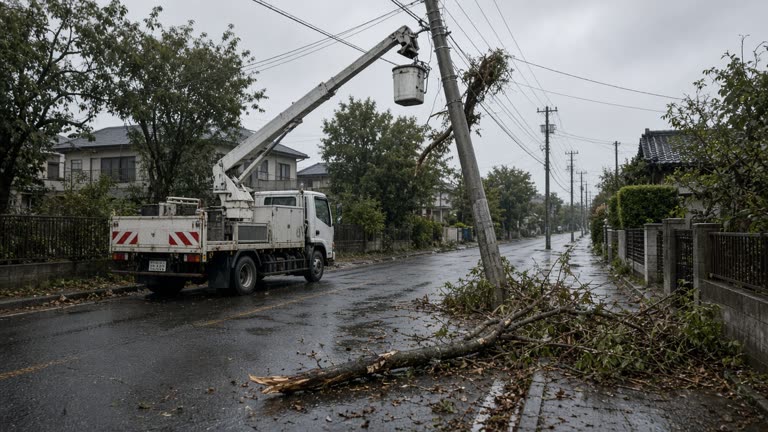
Tokyo Electric Power Grid crews are working through a backlog of roughly 52,560 customer outages in Chiba after Typhoon Dujuan snapped distribution lines and flooded substation yards, even as Silver Week travel pushes demand back toward normal.
Dramatic video of the Panama-flagged First Margaux striking a Chinese trawler near the Singapore Strait spread Monday as insurers and port authorities review traffic separation rules in one of the world’s busiest shipping lanes.
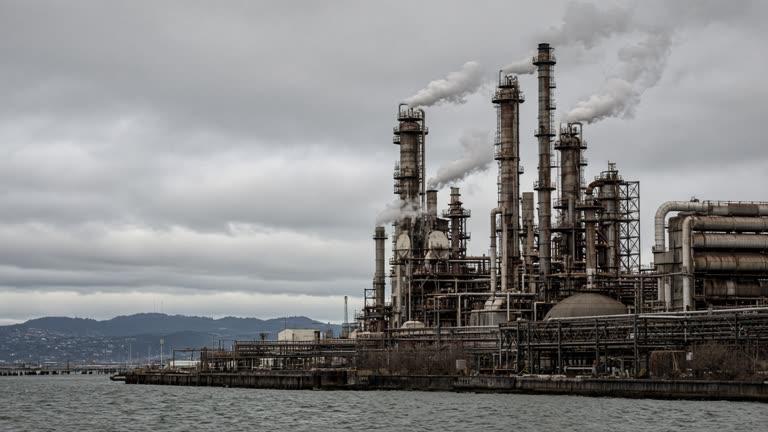
Chevron is keeping Richmond refinery runs steady while California’s gasoline premium over the national average widens past $1.60, as Hormuz-linked crude costs and lost West Coast import barrels compound refinery closures.
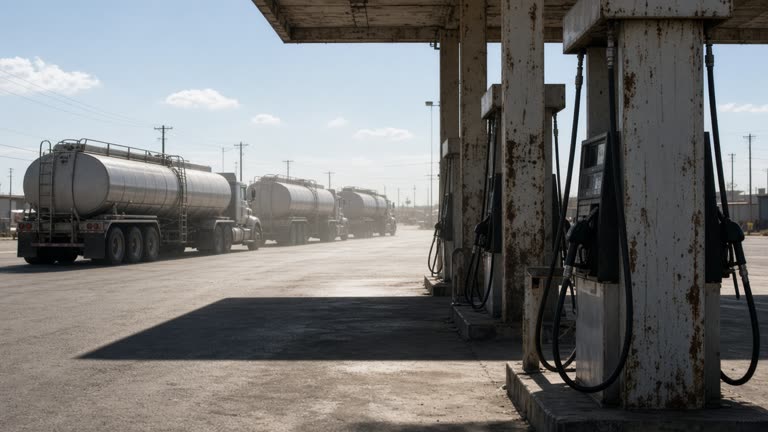
Refined fuel output fell more than 4 million barrels a day below year-ago levels in August, pushing wholesale diesel above $200 a barrel in the United States and Europe as governments in 94 countries rolled out price caps and subsidies to keep pumps from running dry.