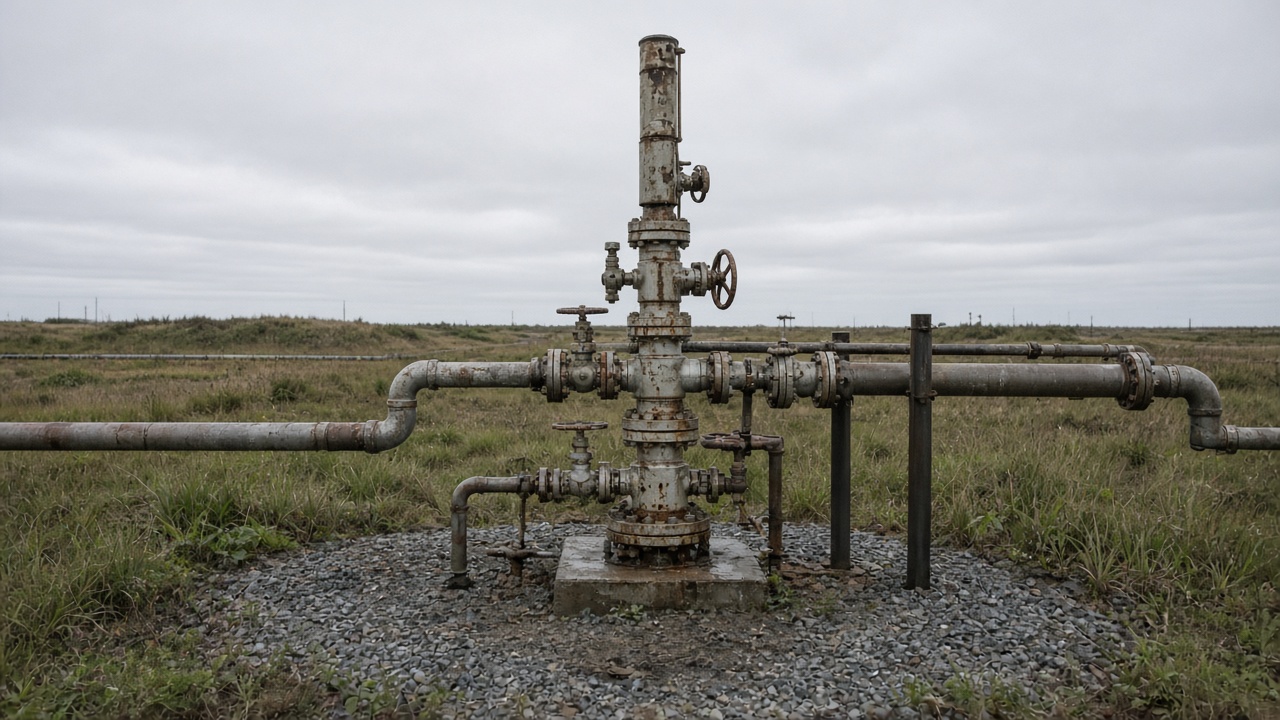
We believe Strategic Petroleum Reserve releases should follow pre-set rules tied to physical tightness—not to whether Brent crosses another round-number headline on cable—because the Petroline outage has separated paper prices from diesel and medium-sour barrels U.S. refiners actually need.
What the market is doing
Brent surged above $108 when Yanbu loadings paused after the east-west pipeline attacks, then eased toward the mid-$104 range as traders priced partial Saudi flows through Oman. Cable coverage treated each handle as a policy trigger, yet Gulf Coast refiners still report diesel premiums reminiscent of scarcity pricing and jet fuel tracking those spreads.
Our correspondents documented convenience chains capping fuel promotions and airlines revisiting hedge losses in this edition. Those are downstream symptoms of a upstream physical gap, not of a single closing print on ICE.
Why waiting for headlines fails
Statute gives the Energy Secretary discretion to release SPR barrels during severe supply interruptions, but practice has drifted toward reactive announcements after media cycles peak. That timing rewards traders who front-run rhetoric while leaving retail contracts to roll on lagged indexes—a pattern readers at the pump experience as "prices stay high even when Brent falls."
Pre-commitment rules—release bands when commercial stocks fall below defined ranges or when nominated Saudi grades miss scheduled arrivals for a set number of days—would remove guesswork. They would also deny populist theatrics from both parties who treat the SPR as a applause line rather than a logistics asset.
The strongest objection
Critics say automatic releases deplete emergency stocks when geopolitical risk is highest, and that only the executive branch should weigh national security. That caution made sense when outages were brief. A multi-week Petroline repair with Hormuz reroute risk is exactly when transparent triggers protect consumers without pretending the SPR replaces lost Saudi medium sour barrels indefinitely.
What we are not saying
We are not calling for daily SPR auctions or emptying caverns to chase election-year gasoline prices. We are not arguing Brent is irrelevant—only that it is an incomplete dial when diesel cracks blow out and Yanbu storage clocks tick in days, not months.
What Congress and DOE should do
Congress should codify release criteria linked to EIA inventory bands and import arrival data, with public dashboards updated weekly. The Department of Energy should rehearse coordinated exchanges with IEA members before the next headline spike, not after.
Readers deserve policy that treats the SPR as infrastructure, not a chyron rebuttal. Until release rules are tied to physical tightness, Brent headlines will keep driving theater while refiners schedule October runs on reality.
The House's 220-204 war powers vote underscored how much Gulf policy now rides on energy fear; the SPR should not become another improvised message in that debate. Fixed rules would let the White House defend releases as statute, not spin—and let opponents critique thresholds instead of timing alone.
That is the standard we will apply when evaluating any SPR draw this fall: named barrels, named grades, and named dates—not whether Brent grabbed a banner for an hour.
Inventory math
EIA data show commercial crude stocks fell toward the lower half of their five-year band even before Yanbu loadings paused, meaning the SPR should be judged against both absolute levels and arrival schedules for Saudi medium sour grades. When those arrivals slip, Gulf Coast run rates drop regardless of where Brent settles on a quiet afternoon.
IEA members coordinated releases during past shocks; the difference today is public skepticism that any draw is large enough to matter. Transparent triggers would rebuild trust more than a one-off televised announcement tied to cable graphics.
Some Democrats want SPR sales to fund non-energy programs; some Republicans treat any draw as admission of policy failure. Fixed rules sidestep both temptations by defining what physical conditions justify tapping caverns.
Refiners also note that not every SPR barrel matches the lost Saudi slate. Chemistry matters. Release rules should specify grade swaps and exchange timelines so plants do not receive stocks they cannot run without costly reconfiguration.
We will measure the administration's next move against those details. If officials cite Brent alone, readers should remember Petroline welders, not traders, set the pace of relief at the pump.